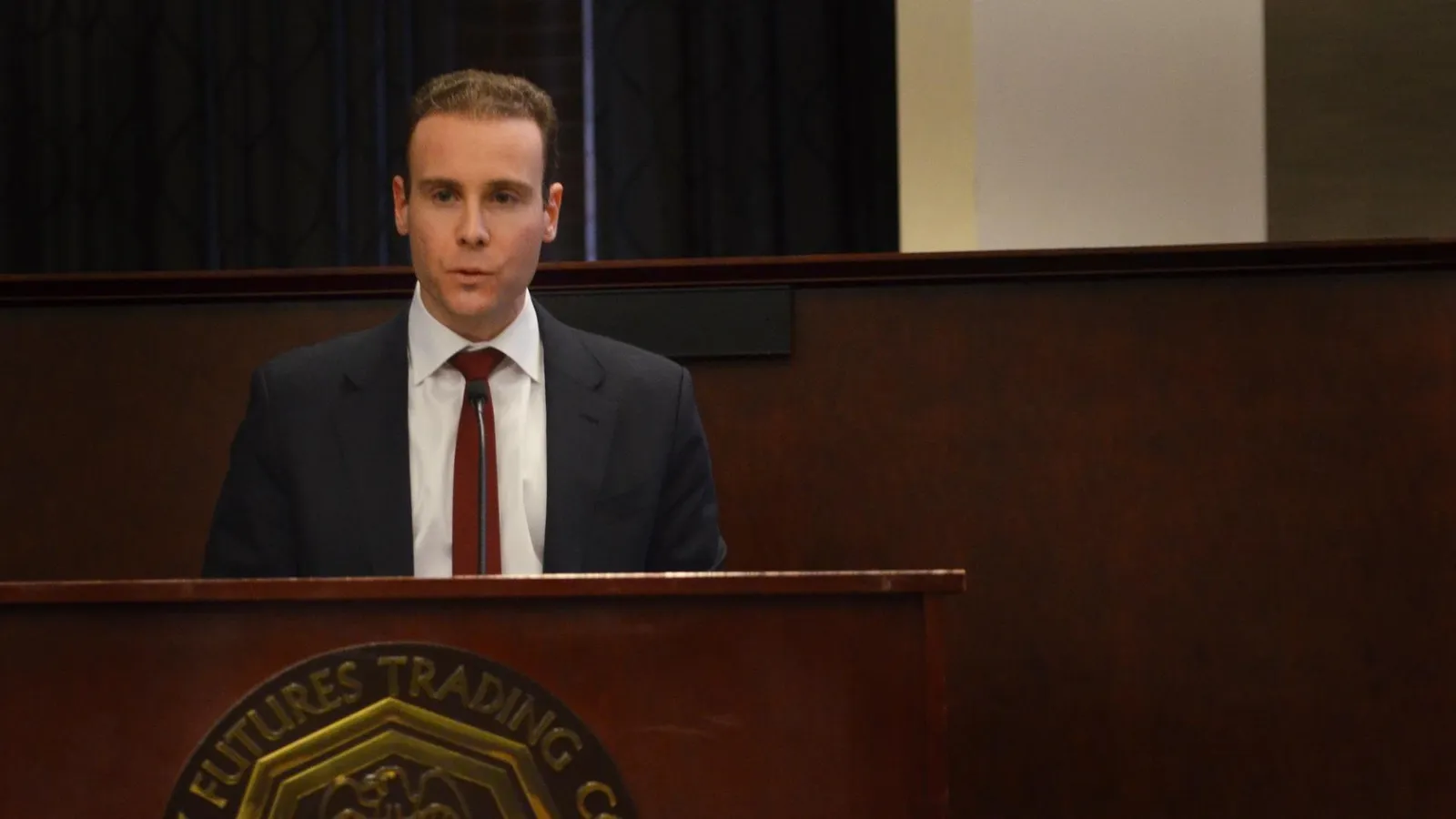
The CFTC sues Wisconsin after the state targets prediction market platforms like Kalshi and Coinbase as unlicensed gambling. The action continues Chairman Mike Selig's campaign asserting exclusive federal jurisdiction over event contracts.
Tap a lens to see what this story means for you.
Liked this? The Brief brings you the whole day in tech, verified, every morning.
Two minutes, free forever. What's in The Brief →
See what’s happening right now
The Feed runs all day — short, verified briefs the moment they break.
Open the FeedFollow @thecircuitry_
Every story we publish, as it happens. No noise between.
Reader-supported
The Circuitry is a passion project I've always wanted to build, and I love the work behind it.
Running it costs real money. APIs, hosting, time. To keep improving the site and growing this into something useful for everyone, those costs have to be covered.
Any contribution is appreciated. If not, no pressure. Thanks for reading.
The CFTC sued Kentucky after the state targeted prediction markets Kalshi and Polymarket, marking the agency's ninth such lawsuit and the first against a state with a Republican attorney general. The dispute centers on whether event contracts fall under federal CFTC jurisdiction or state gambling regulations, with 20 states now involved in related litigation.
The CFTC approved the first regulated bitcoin perpetual futures on Kalshi's exchange and issued a no-action letter to Coinbase the same day. The move sets a compliance framework for U.S. firms and advances policies to position America as the crypto capital.
The SEC advanced regulations permitting investment advisers and funds to custody crypto assets under defined conditions, establishing a regulatory path following the Clarity Act blockage last month.
California Governor Gavin Newsom signed legislation barring public officials from issuing memecoins and prohibiting companies from using officials' likenesses in such coins. The rules were motivated by reports of roughly one million investors losing an alleged $3.8 billion on a 2025 presidential memecoin.
The Bank of England has dropped proposed caps on individual and corporate stablecoin holdings, replacing them with a temporary £40 billion issuance ceiling per systemic stablecoin. The policy adjustment, which also relaxes reserve backing rules to bolster issuer economics, follows industry and parliamentary objections ahead of full U.K. crypto regulations in 2027.