The Circuitry
THE CIRCUITRYYour one-stop source for all tech news
HOMETODAYNEWSFEEDEVENTS
BOOKMARKS
RSS
© 2026 The Circuitry
About UsSourcesContactCorrectionsPrivacy
  • Today
  • Feed
  • Events
  • Saved
Scroll for more
Verification
VERIFIEDConfidence: HIGH
Source identified
Claims cross-referenced
No discrepancies found
Sourcing
1source

via The Verge

The Verge · track record
89Stories
100%Verified
730d
All sources →
Home/Energy/Musk: xAI partly used OpenAI models via distillation
VERIFIEDBy Xavier Rivera· ·1.5 min read

Musk: xAI partly used OpenAI models via distillation

Elon Musk testified that xAI partly used OpenAI models via distillation to train its own. The admission comes amid rising controversy over the practice's legality and ethics in AI development.
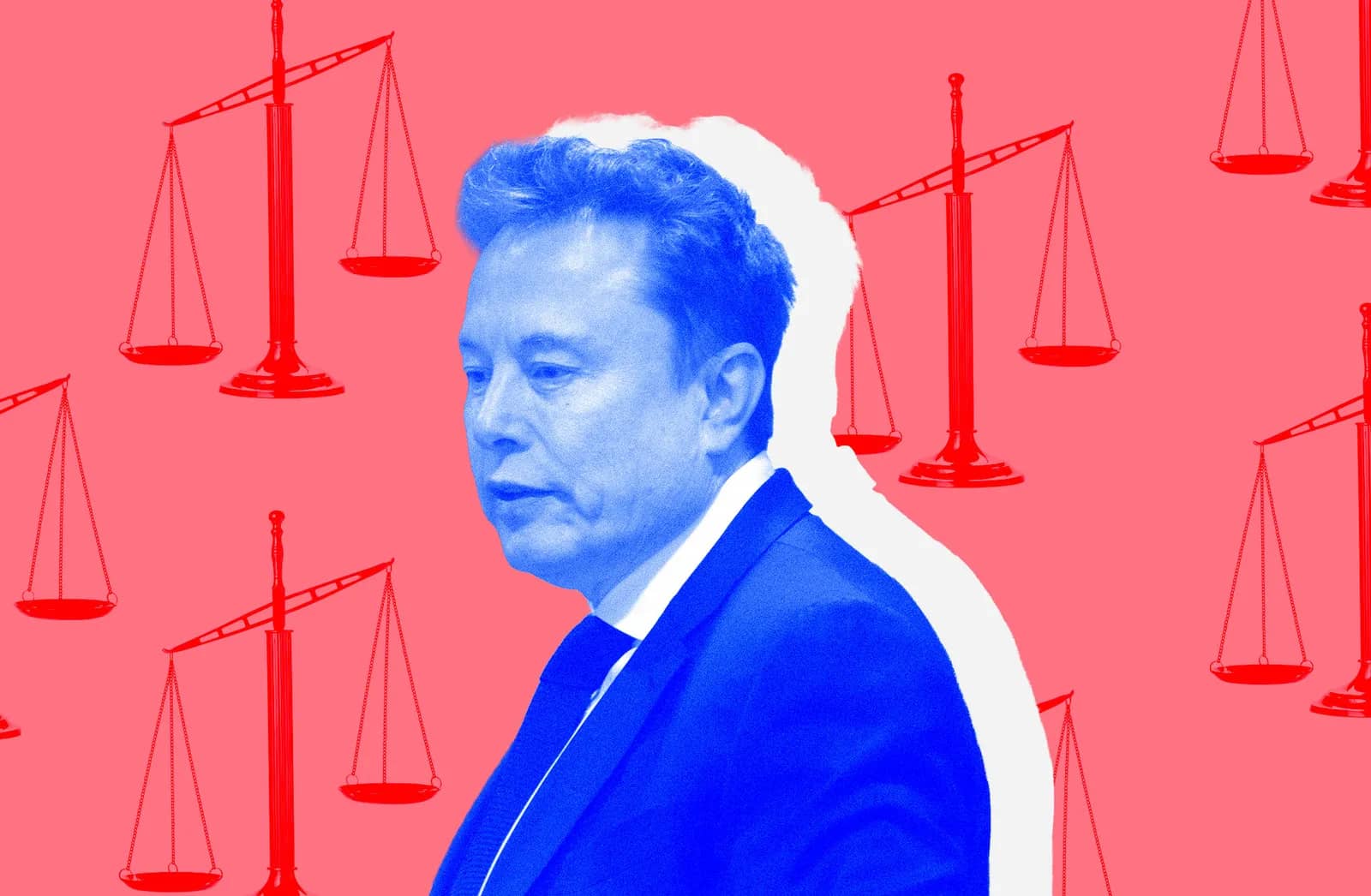
Source:The Verge
Post
Musk: xAI partly used OpenAI models via distillation
TL;DRAI · 60 sec read

Elon Musk testifies that xAI partly used OpenAI models via distillation to improve its own. He calls it standard practice among AI companies to use other AIs for validation. Distillation trains smaller "student" models with larger "teacher" models. The technique operates in a legal gray area, with companies like OpenAI, Anthropic, and Google accusing competitors of illicit use.

Elon Musk testified in a California federal courtroom on Thursday that his startup xAI has used OpenAI’s models to improve its own through model distillation.

Musk stated it was “partly” true that xAI employed model distillation to enhance its models using OpenAI technology. When asked directly if xAI had distilled OpenAI’s tech, he replied that “generally all the AI companies” engage in such practices, confirming with “Partly.” He added, “It is standard practice to use other AIs to validate your AI.”
From The CircuitryThe Feed — live briefs across tech, all day.See what’s happening →
Model distillation involves a larger AI model acting as a “teacher” to train a smaller “student” model. The source describes it as a common industry practice, often used legitimately within companies, but also sometimes by smaller labs to mimic larger competitors.

The technique has sparked controversy, operating in a legal gray area regarding terms of service. OpenAI has raised concerns about DeepSeek, while Anthropic has accused DeepSeek, Moonshot, and MiniMax. Google seeks to prevent what it terms “distillation attacks.”
Anthropic’s blog post notes: “Distillation is a widely used and legitimate training method. For example, frontier AI labs routinely distill their own models to create smaller, cheaper versions for their customers. But distillation can also be used for illicit purposes: competitors can use it to acquire powerful capabilities from other labs in a fraction of the time, and at a fraction of the cost, that it would take to develop them independently.”
Why this mattersAI · ~100 words

Tap a lens to see what this story means for you.

Reader-supported
DonateBuy me a coffee →Follow@thecircuitry_ →Follow@thecircuitry.to →

Reader-supported · The Brief

Liked this? The Brief brings you the whole day in tech, verified, every morning. Two minutes, free forever.

HELP US IMPROVE
From The Circuitry

See what’s happening right now

The Feed runs all day — short, verified briefs the moment they break.

Open the Feed →
From The Circuitry

Follow @thecircuitry_

Every story we publish, as it happens. No noise between.

Follow on X ↗On Bluesky ↗

Reader-supported

The Circuitry is a passion project I've always wanted to build, and I love the work behind it.

Running it costs real money. APIs, hosting, time. To keep improving the site and growing this into something useful for everyone, those costs have to be covered.

Any contribution is appreciated. If not, no pressure. Thanks for reading.

Buy me a coffee
AIxAIOpenAIElon Musk
More fromThe Verge
  • EU slaps Alphabet with €890 million fine over Google Search favoritism and Play Store restrictions

    Tech · 16d
  • AMD to invest up to $5B in Anthropic

    Tech · 16d
  • Judge pauses Paramount-Warner Bros Discovery merger

    Tech · 18d
More inEnergy
  • Base Power unveils 39.2-kWh Core battery after landing $1B in fresh capital

    Energy · 4d
  • DCC Agrees £5.75bn Takeover by KKR and Energy Capital

    Energy · 12d
  • Brookfield to Buy Aypa Power From Blackstone Funds at $7 Billion Valuation

    Energy · 16d
SupportThe Work

The Circuitry is reader-supported. If you find the daily brief useful, you can buy me a coffee to keep it going.

Buy a coffee →
SubscribeCircuitry Brief

Liked this? The Brief brings you the whole day in tech, verified, every morning. Free forever.

MORE IN ENERGY

Base Power unveils 39.2-kWh Core battery after landing $1B in fresh capital

Base Power has raised $1 billion to commercialize its new 39.2-kWh Core home battery that provides up to 36 hours of backup and installs in under an hour. The funding will speed deployment of a system three times larger than typical home batteries that also participates in virtual power plants.

DCC Agrees £5.75bn Takeover by KKR and Energy Capital

DCC Energy has agreed to a £5.75 billion sale to KKR and Energy Capital Partners, offering shareholders £65.25 per share plus additional payments. The deal highlights surging foreign private equity interest in undervalued UK-listed firms, pushing 2026 M&A to a record $197 billion year-to-date.

Brookfield to Buy Aypa Power From Blackstone Funds at $7 Billion Valuation

Brookfield Asset Management will acquire Aypa Power from Blackstone-managed funds at an enterprise value of approximately US$7 billion, gaining a 6.5GW portfolio plus a development pipeline exceeding 20GW that is 95% contracted under 17-year average terms.