Nvidia's board says it is opening an independent investigation after reports that CEO Jensen Huang was the target of a foreign intelligence effort. It says it has no reason to believe secrets were compromised, and Huang has said he will cooperate.
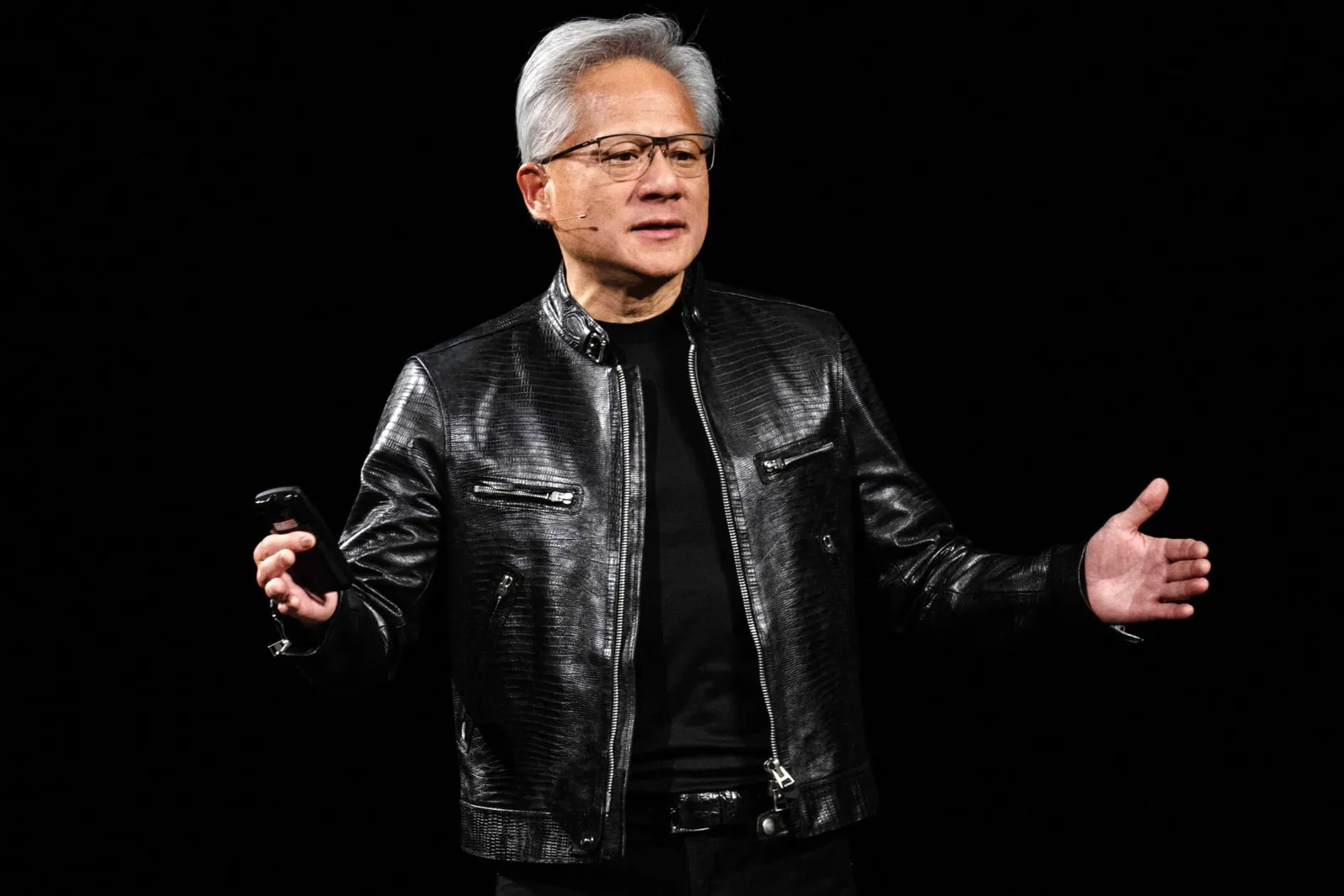
While the Board has no reason to believe that either national security or NVIDIA secrets were compromised, the Board's inquiry will examine all available information.
I was unfaithful to my wife. My actions hurt her and our children. There is no excuse for what I did.
Tap a lens to see what this story means for you.
Liked this? The Brief brings you the whole day in tech, verified, every morning.
Two minutes, free forever. What's in The Brief →
See what’s happening right now
The Feed runs all day — short, verified briefs the moment they break.
Open the FeedFollow @thecircuitry_
Every story we publish, as it happens. No noise between.
Reader-supported
The Circuitry is a passion project I've always wanted to build, and I love the work behind it.
Running it costs real money. APIs, hosting, time. To keep improving the site and growing this into something useful for everyone, those costs have to be covered.
Any contribution is appreciated. If not, no pressure. Thanks for reading.
NVIDIA's board has voted unanimously to reinstate Jensen Huang as President, CEO and a director, effective immediately. An investigation into a foreign intelligence effort aimed at Huang will continue, and the company is adding a Chief Compliance Officer role.
OpenAI's chief scientist has proposed shared limits on model perplexity and published internal scores from GPT-3.5 onward. Those scores put GPT-3.5 near 0.99 and GPT-4 near 0.91, and the proposal asks labs not to cross a shared bar until monitoring improves.
OpenAI has cut the average success rate of attacks that extract protected reasoning from an earlier request to 0.2% on GPT-6.2 Astra, from 54.0% on GPT-6 Astra. Current-request attacks are at 0.9%, and selected safeguard improvements are being applied back to GPT-6 Astra.
OpenAI has introduced MedChemBench, a 99-problem test of how models read molecules, explain lab results, and choose the next compound. At the xhigh setting, GPT-6.2 Astra scored 84.5%, while compound choice and property forecasts remain much weaker than structure work.
Autonomous Cairn agents found an unpatched flaw in a medical imaging app and took control of a server in a university campaign that began September 8, 2026. Amazon rates a Chinese-nexus link as moderate confidence, and the project advisory still lists no patched version.