The Circuitry
THE CIRCUITRYYour one-stop source for all tech news
HOMETODAYNEWSFEEDEVENTS
BOOKMARKS
RSS
© 2026 The Circuitry
About UsSourcesContactCorrectionsPrivacy
  • Today
  • Feed
  • Events
  • Saved
Scroll for more
Verification
VERIFIEDConfidence: HIGH
Source identified
Claims cross-referenced
No discrepancies found
Fact-check summary

Multiple outlets (The Block, CoinDesk, Yahoo Finance, CryptoSlate) confirm the Open USD stablecoin launch by Visa, Mastercard, Coinbase and 140+ partners via Open Standard.

Sourcing
1source

via Engadget

Engadget · track record
21Stories
100%Verified
730d
All sources →
Markets
COIN···

Live quote · not investment advice

Home/Markets/Visa, Mastercard and Coinbase Launch Open USD Stablecoin
VERIFIEDBy Xavier Rivera· ·1.5 min read

Visa, Mastercard and Coinbase Launch Open USD Stablecoin

Visa, Mastercard, Coinbase and over 140 businesses launched Open Standard to issue Open USD, a US dollar-tied stablecoin expected later in 2026. The move follows the GENIUS Act signed into law on July 18, 2025, which created a new regulatory framework and aims to expand stablecoin use beyond crypto trading.
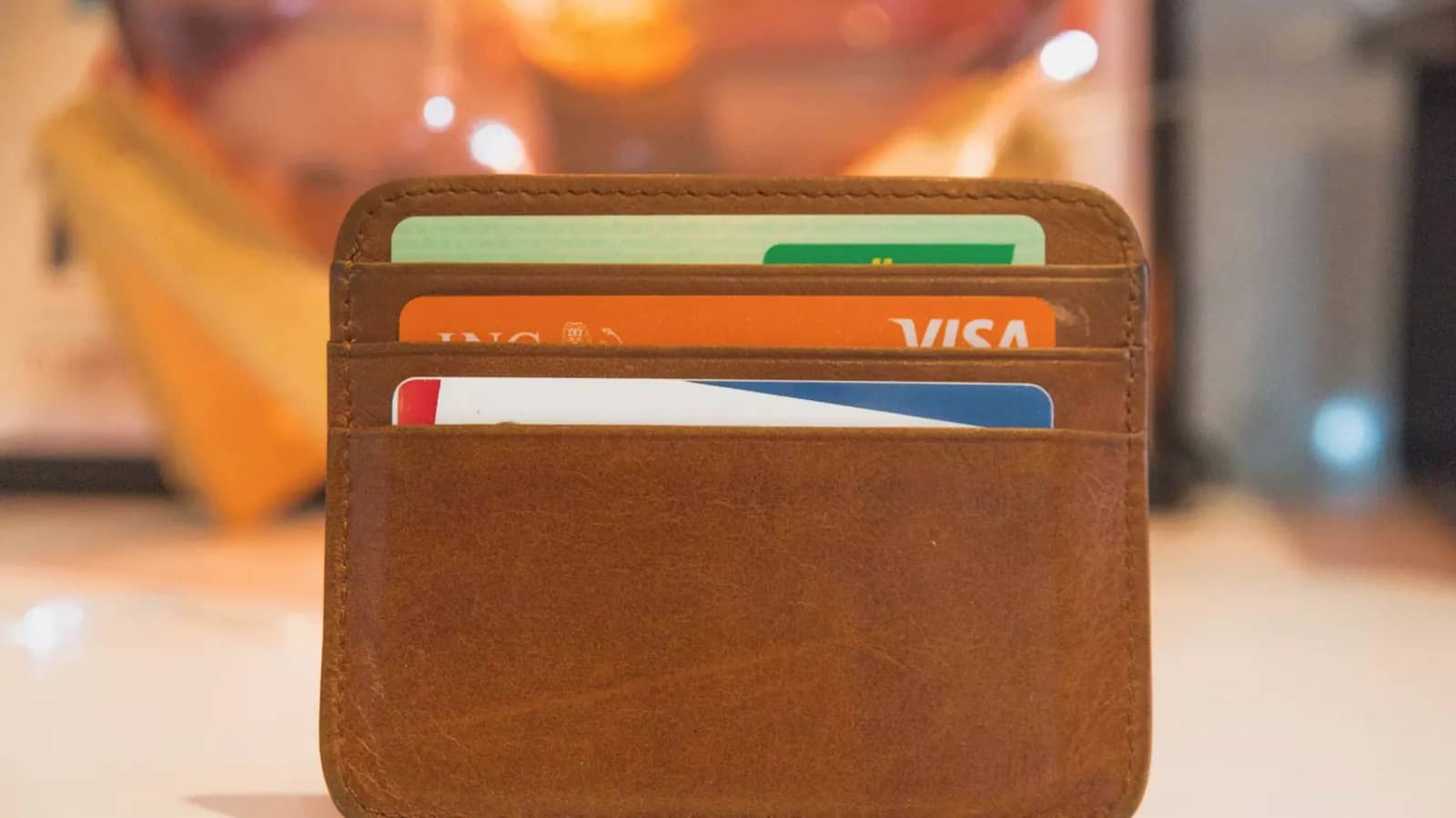
Source:Engadget
Post
Visa, Mastercard and Coinbase Launch Open USD Stablecoin
TL;DRAI · 60 sec read

Visa, Mastercard and Coinbase launched Open Standard, a consortium of over 140 businesses. The group plans to release Open USD, a stablecoin pegged to the US dollar, later this year. It targets wider adoption for everyday purchases in the internet economy via an open network, enabled by new US regulations.

Visa, Mastercard and Coinbase have launched a new global stablecoin venture called Open Standard. The consortium, which includes over 140 businesses, plans to release a US dollar-tied coin named Open USD later this year.

A consortium of over 140 businesses formed Open Standard. The group is led by Visa, Mastercard and Coinbase. It aims to accelerate global usage of stablecoins through an open network.
Research has indicated that existing stablecoins are still primarily used for trading crypto assets rather than everyday purchases.
Open USD is designed for the internet economy. The stablecoin is built by the businesses that plan to grow its adoption.

Open USD will be tied to the US dollar. Its value should not fluctuate much because it is pegged to the dollar. Research has indicated that existing stablecoins are still primarily used for trading crypto assets rather than everyday purchases.
From The CircuitryThe Feed — live briefs across tech, all day.See what’s happening →
Open Standard CEO Zach Abrams outlined the project's goals. "Existing stablecoins have great strengths, but to use them at scale, businesses need something that's open, low-cost, high-throughput, broadly accessible and aligned to their interests," Abrams told Reuters. The venture follows the 2023 launch of PayPal USD, which has remained near the $1 mark.
Stablecoins remain relatively safe amid broader crypto volatility.
New US regulations provide a framework for stablecoins. President Trump signed the GENIUS Act into law on July 18, 2025. The law requires issuers to hold 1:1 reserves, includes anti-money laundering rules and adds consumer protections in the event of issuer bankruptcy.

The current administration has been friendly to the crypto industry. Former PayPal executive David Sacks served as White House A.I. & Crypto Czar starting in 2024, faced ethics concerns for overlapping roles, left the post in March 2026 and joined Trump's Council of Advisors on Science and Technology.
Stablecoins remain relatively safe amid broader crypto volatility. Bitcoin is down nearly 50 percent in the past year. President Trump made more than $1.4 billion via cryptocurrencies in his first year back in office, primarily by issuing them to his fanbase, according to Reuters.
Why this mattersAI · ~100 words

Tap a lens to see what this story means for you.

Reader-supported
DonateBuy me a coffee →Follow@thecircuitry_ →Follow@thecircuitry.to →

Reader-supported · The Brief

Liked this? The Brief brings you the whole day in tech, verified, every morning. Two minutes, free forever.

HELP US IMPROVE
From The Circuitry

See what’s happening right now

The Feed runs all day — short, verified briefs the moment they break.

Open the Feed →
From The Circuitry

Follow @thecircuitry_

Every story we publish, as it happens. No noise between.

Follow on X ↗On Bluesky ↗

Reader-supported

The Circuitry is a passion project I've always wanted to build, and I love the work behind it.

Running it costs real money. APIs, hosting, time. To keep improving the site and growing this into something useful for everyone, those costs have to be covered.

Any contribution is appreciated. If not, no pressure. Thanks for reading.

Buy me a coffee
StablecoinsCryptoPayments
More fromEngadget
  • Meta introduces Muse Code, its terminal-based coding agent

    Tech · 2d
  • SpaceX Q2 revenue hits $7.8B as AI unit drives reported 2,013% CapEx surge

    Tech · 3d
  • Netflix Applied GenAI Workflows to Approximately 300 Shows and Films This Year

    Tech · 22d
More inMarkets
  • Visa Agrees to Buy BioCatch for $2.4 Billion

    Markets · 5d
  • Visa to cut 7% of workforce, about 2,600 jobs

    Markets · 11d
  • CXMT jumps 466% in Shanghai debut to eclipse all other China-listed firms

    Markets · 12d
SupportThe Work

The Circuitry is reader-supported. If you find the daily brief useful, you can buy me a coffee to keep it going.

Buy a coffee →
SubscribeCircuitry Brief

Liked this? The Brief brings you the whole day in tech, verified, every morning. Free forever.

MORE IN MARKETS

Visa Agrees to Buy BioCatch for $2.4 Billion

Visa announced it will acquire Israeli fraud-detection startup BioCatch for $2.4 billion in cash from Permira and other investors. The purchase centers on behavioral biometrics technology and expands the payments company’s fast-growing value-added services business as global fraud losses surpass $1 trillion a year.

Visa to cut 7% of workforce, about 2,600 jobs

Visa plans to cut about 2,600 jobs, representing roughly 7% of its workforce, with AI cited as a significant but not sole factor. The company will redirect savings into growth areas such as affluent customers, cross-border activity and geographic expansion as it reports quarterly earnings the same day.

CXMT jumps 466% in Shanghai debut to eclipse all other China-listed firms

CXMT shares jumped nearly 466% in their Shanghai debut, closing at 49 yuan to reach a 3.3 trillion yuan market cap that exceeds every other China-listed firm. The $8.6 billion IPO haul will support memory wafer manufacturing while the firm commands 7.67% of the worldwide DRAM sector and stands to benefit from Beijing's semiconductor self-reliance campaign.