The Circuitry
THE CIRCUITRYYour one-stop source for all tech news
HOMETODAYNEWSFEEDEVENTS
BOOKMARKS
RSS
© 2026 The Circuitry
About UsSourcesContactCorrectionsPrivacy
  • Today
  • Feed
  • Events
  • Saved
Scroll for more
Verification
VERIFIEDConfidence: HIGH
Source identified
Claims cross-referenced
No discrepancies found
Fact-check summary

Reported by Ars Technica; we couldn't independently corroborate via other outlets yet — story is recent.

1 caveat
  • ▲Partnership details and quotes come solely from the Ars report and company statements; no other coverage located.
Sourcing
1source

via Ars Technica

Ars Technica · track record
27Stories
100%Verified
230d
All sources →
Home/Energy/Waymo to Repurpose Robotaxi Batteries for Grid Storage
VERIFIEDBy Xavier Rivera· ·3 min read

Waymo to Repurpose Robotaxi Batteries for Grid Storage

Waymo and B2U Storage Solutions announced a strategic supply agreement on June 4 to repurpose used robotaxi batteries for grid-scale storage. The pact could deliver hundreds of megawatt-hours to projects in California and Texas, creating a circular benefit by supporting the same regional power networks where the autonomous vehicles operate and recharge.
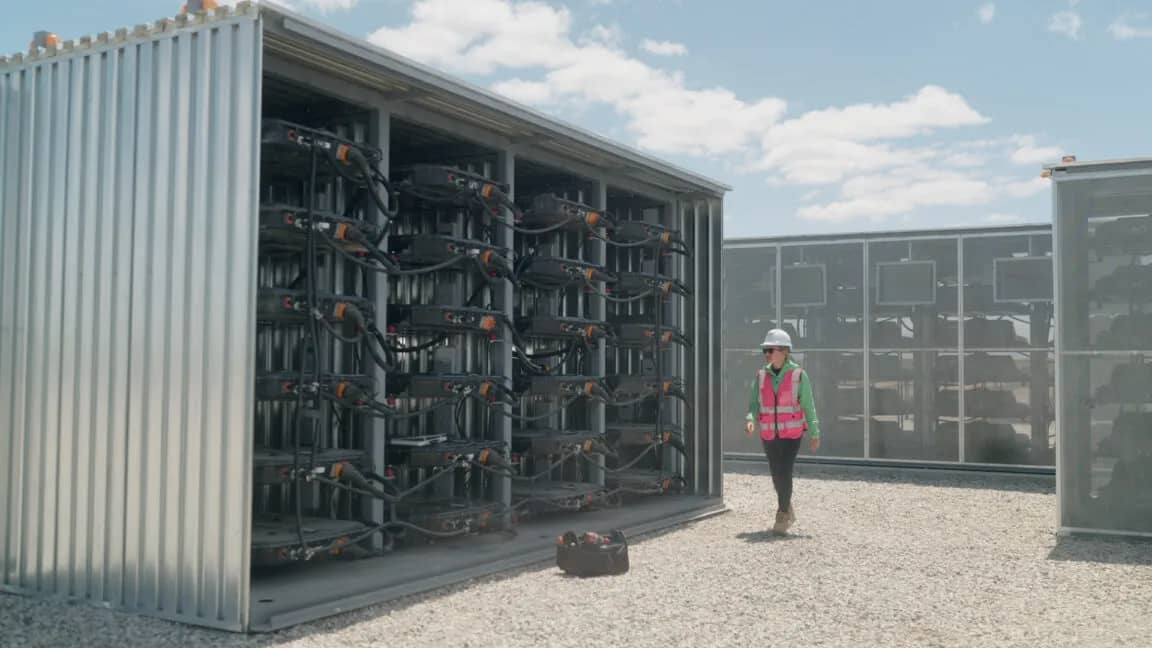
Source:Ars Technica
Post
Waymo to Repurpose Robotaxi Batteries for Grid Storage
TL;DRAI · 60 sec read

Waymo partners with B2U Storage Solutions to repurpose used batteries from its robotaxi fleet for stationary grid storage. The deal targets projects in California and Texas and could supply hundreds of megawatt-hours of capacity. B2U has begun receiving initial batteries. This adds flexible storage to support local power grids during peak demand.

B2U Storage Solutions will receive retired batteries from Waymo’s growing fleet of autonomous vehicles under a strategic supply agreement announced June 4. The deal reportedly targets energy storage projects across California and Texas, where the batteries could add hundreds of megawatt-hours of capacity to help balance renewable power on local grids.

B2U Storage Solutions repurposes used EV batteries. The firm has installed thousands of second-life batteries from multiple electric vehicle models into large-scale stationary systems. These facilities store surplus renewable generation during off-peak hours and discharge it during high-demand periods to stabilize the grid.

“Our business is getting the full residual value out of electric vehicle batteries after they’re no longer suitable for automotive use,” Freeman Hall, CEO of B2U Storage Solutions, told Ars Technica.
Waymo robotaxis drive around much more each day than the typical EV, which means the Waymo fleet is likely to experience faster usage-related degradation of battery capacity over time.
Waymo applies proactive battery maintenance. Under the pact, B2U will obtain both end-of-life packs and those swapped during routine servicing. Waymo’s sustainability chief Adam Lenz described the company’s approach as identifying chances to “refresh the battery to improve efficiency overall for our fleet.”

Lenz noted that even after removal from vehicles the packs retain substantial capacity, making them suitable for stationary use. The company has not disclosed typical mileage thresholds for swaps or retirements.

Robotaxi fleet sees accelerated battery wear. Because the vehicles log far higher daily mileage than consumer cars, their batteries degrade more rapidly. Waymo has acknowledged that “some of these vehicles have now been serving riders for years and have mileage beyond what a normal consumer drives.”
From The CircuitryThe Feed — live briefs across tech, all day.See what’s happening →

A 2025 Geotab study of more than 22,700 electric vehicles spanning 21 models showed average annual capacity loss of roughly 2.3 percent, leaving more than 81 percent of original capacity after eight years.
The agreement would allow B2U to repurpose Waymo batteries that become available at the end of a vehicle’s lifespan, along with obtaining used batteries that are being swapped out from operational vehicles.
Fleet composition drives significant capacity. Waymo’s nearly 4,000 vehicles consist primarily of Jaguar I-Pace models equipped with 90 kWh lithium-ion packs. The company has also started deploying Zeekr-built Ojai robotaxis that carry 93 kWh batteries.

Hall observed that even after accounting for some degradation the remaining energy per pack remains substantial. He added that the expanding fleet could deliver large volumes of megawatt-hour-scale storage to the grid relatively quickly.

Initial battery deliveries have started. Waymo decides the timing and volume of transfers, but the partners confirmed B2U has “already started receiving smaller initial quantities of batteries” from the fleet. Over time the arrangement could supply B2U with hundreds of megawatt-hours drawn from thousands of Waymo vehicles, according to Lenz.
The partnership creates a regional loop: batteries that once powered robotaxis in certain cities will later reinforce the same grids those vehicles use for charging. B2U will process the incoming packs at its Lancaster, California site—already home to more than 1,300 repurposed EV batteries—before distributing them to additional installations in California and a 24 MWh project in Bexar County, Texas, near Waymo’s San Antonio operations. The all-electric fleet avoids 530 tons of CO₂ emissions per 500,000 weekly trips, the company estimates. US battery storage deployments hit a record 9.7 GWh in the first quarter of 2026, a 32 percent rise from the prior year, according to the Solar Energy Industries Association. B2U currently oversees more than 4,000 EV packs, including early Nissan Leaf units still performing after approximately 2,500 cycles.
Why this mattersAI · ~100 words

Tap a lens to see what this story means for you.

Reader-supported
DonateBuy me a coffee →Follow@thecircuitry_ →Follow@thecircuitry.to →

Reader-supported · The Brief

Liked this? The Brief brings you the whole day in tech, verified, every morning. Two minutes, free forever.

HELP US IMPROVE
From The Circuitry

See what’s happening right now

The Feed runs all day — short, verified briefs the moment they break.

Open the Feed →
From The Circuitry

Follow @thecircuitry_

Every story we publish, as it happens. No noise between.

Follow on X ↗On Bluesky ↗

Reader-supported

The Circuitry is a passion project I've always wanted to build, and I love the work behind it.

Running it costs real money. APIs, hosting, time. To keep improving the site and growing this into something useful for everyone, those costs have to be covered.

Any contribution is appreciated. If not, no pressure. Thanks for reading.

Buy me a coffee
WaymoB2UBattery RepurposingEnergy StorageRobotaxi
More fromArs Technica
  • Samsung debuts its first wide-body foldable in 2026 Galaxy Z8 lineup

    Tech · 17d
  • Microsoft Secure Boot bypassed for 13 years via unrevoked shims

    Tech · 24d
  • Blue Origin reportedly raising up to $10B in first private capital round

    Tech · 1mo
More inEnergy
  • Base Power unveils 39.2-kWh Core battery after landing $1B in fresh capital

    Energy · 4d
  • DCC Agrees £5.75bn Takeover by KKR and Energy Capital

    Energy · 12d
  • Brookfield to Buy Aypa Power From Blackstone Funds at $7 Billion Valuation

    Energy · 16d
SupportThe Work

The Circuitry is reader-supported. If you find the daily brief useful, you can buy me a coffee to keep it going.

Buy a coffee →
SubscribeCircuitry Brief

Liked this? The Brief brings you the whole day in tech, verified, every morning. Free forever.

MORE IN ENERGY

Base Power unveils 39.2-kWh Core battery after landing $1B in fresh capital

Base Power has raised $1 billion to commercialize its new 39.2-kWh Core home battery that provides up to 36 hours of backup and installs in under an hour. The funding will speed deployment of a system three times larger than typical home batteries that also participates in virtual power plants.


DCC Agrees £5.75bn Takeover by KKR and Energy Capital

DCC Energy has agreed to a £5.75 billion sale to KKR and Energy Capital Partners, offering shareholders £65.25 per share plus additional payments. The deal highlights surging foreign private equity interest in undervalued UK-listed firms, pushing 2026 M&A to a record $197 billion year-to-date.

Brookfield to Buy Aypa Power From Blackstone Funds at $7 Billion Valuation

Brookfield Asset Management will acquire Aypa Power from Blackstone-managed funds at an enterprise value of approximately US$7 billion, gaining a 6.5GW portfolio plus a development pipeline exceeding 20GW that is 95% contracted under 17-year average terms.