The Circuitry
THE CIRCUITRYYour one-stop source for all tech news
HOMETODAYNEWSFEEDEVENTS
BOOKMARKS
RSS
© 2026 The Circuitry
About UsSourcesContactCorrectionsPrivacy
  • Today
  • Feed
  • Events
  • Saved
Scroll for more
Verification
VERIFIEDConfidence: HIGH
Source identified
Claims cross-referenced
No discrepancies found
Fact-check summary

Multiple outlets including The Verge, NYT, Bloomberg, Fortune, and WIRED corroborate Apple's July 10, 2026 lawsuit against OpenAI alleging trade-secret theft by three former Apple employees for AI hardware development.

Sourcing
1source

via The Verge

The Verge · track record
89Stories
100%Verified
730d
All sources →
Markets
AAPL···

Live quote · not investment advice

Home/Tech/Apple accuses OpenAI of stealing secrets for AI hardware
VERIFIEDBy Xavier Rivera· ·2.5 min read

Apple accuses OpenAI of stealing secrets for AI hardware

Apple has filed a 41-page lawsuit accusing OpenAI and three former employees of stealing confidential documents and trade secrets to aid development of the startup's first AI hardware device. The claims include retaining company computers, exploiting network vulnerabilities, and coaching staff on evading security to obtain unreleased product details.
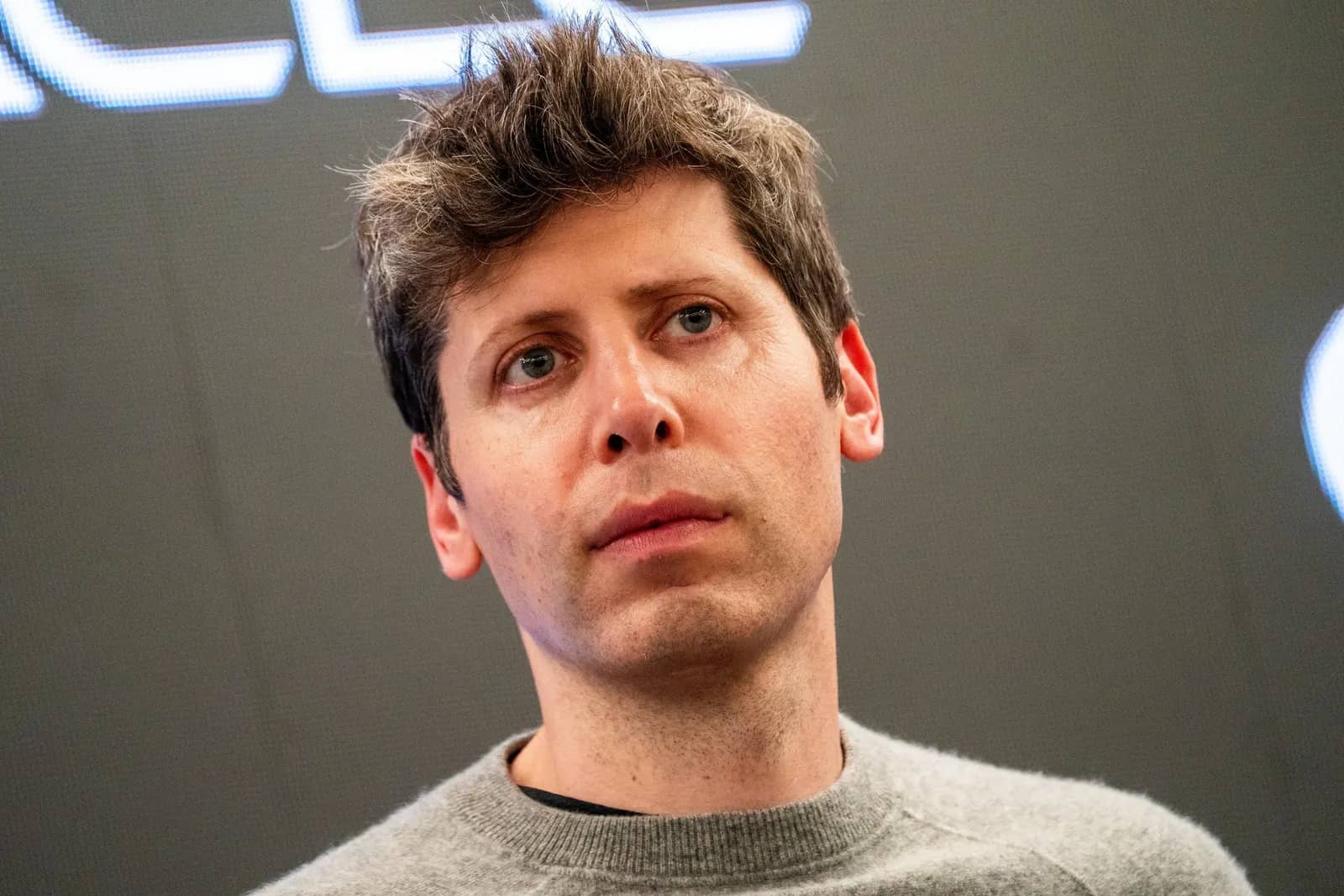
Source:The Verge
Post
Apple accuses OpenAI of stealing secrets for AI hardware
TL;DRAI · 60 sec read

Apple files a 41-page lawsuit accusing OpenAI of stealing trade secrets via three former employees for its upcoming AI hardware. One ex-employee allegedly kept devices, exploited an unknown network vulnerability to download files, and received ongoing project details from another still at Apple. The suit targets OpenAI’s planned device launch next year.

Apple has filed a 41-page lawsuit against OpenAI that details an alleged scheme to steal confidential information as the startup develops its first AI hardware device scheduled for next year.

Three former Apple employees are central to the accusations. Tang Tan, a 24-year Apple veteran and former vice president of the Apple Watch, left in 2024 to join Jony Ive’s hardware company io, which OpenAI acquired last year before appointing him chief hardware officer. Chang Liu, who worked as a systems electrical engineer on the iPhone for over eight years, joined OpenAI in January 2026 as a member of technical staff. Yu-Ting “Alyssa” Peng, another former Apple employee, joined OpenAI in April 2026.
The complaint accuses the trio of participating in an ongoing effort to obtain Apple’s trade secrets to support OpenAI’s competing hardware plans.

Liu allegedly retained an Apple computer and exploited an unknown authentication vulnerability. After announcing his departure, Liu reportedly failed to sign a confidentiality reminder, attend an exit interview, or confirm the return of company devices. Apple claims he kept at least one Apple-owned computer and told Peng he had another. Weeks after leaving, Liu accessed Apple’s cloud-based network storage through a vulnerability the company did not know existed. The filing quotes him telling Peng, “LOL, I found out I can access the [network storage], so funny,” to which she replied, “I’m ready.”
From The CircuitryThe Feed — live briefs across tech, all day.See what’s happening →
Liu is accused of downloading dozens of confidential files containing technical specifications, details about unreleased products, and engineering presentations on manufacturing and testing Apple’s main logic boards.
When Apple employees interviewed for jobs at OpenAI, the startup’s hardware head is accused of asking them to bring components they were working on and unreleased product samples.
Peng allegedly fed Liu a steady stream of Apple secrets after his departure. In the months following Liu’s exit, Peng reportedly kept him informed about Apple’s projects, engineering details, and vendor relationships while he worked on OpenAI’s hardware. The lawsuit states that Liu’s OpenAI work was informed by this flow of Apple’s trade secret information from Peng. It further claims Liu coached Peng on how to access and copy files from Apple devices to avoid detection by the security team and directed her to specific project folders and proprietary engineering data. Peng left Apple for OpenAI in April 2026.

OpenAI’s hardware head allegedly requested unreleased samples during interviews. When Apple employees interviewed for jobs at OpenAI, the startup’s hardware head is accused of asking them to bring components they were working on and unreleased product samples. The complaint also alleges that OpenAI coached Apple employees on avoiding security checks, stole confidential documents, spied on hardware prototypes, and tricked one of Apple’s trusted partners into performing a proprietary product design technique.
The lawsuit centers on these actions as OpenAI prepares to launch its first AI hardware device next year. (Source: The Verge)
Why this mattersAI · ~100 words

Tap a lens to see what this story means for you.

Reader-supported
DonateBuy me a coffee →Follow@thecircuitry_ →Follow@thecircuitry.to →

Reader-supported · The Brief

Liked this? The Brief brings you the whole day in tech, verified, every morning. Two minutes, free forever.

HELP US IMPROVE
From The Circuitry

See what’s happening right now

The Feed runs all day — short, verified briefs the moment they break.

Open the Feed →
From The Circuitry

Follow @thecircuitry_

Every story we publish, as it happens. No noise between.

Follow on X ↗On Bluesky ↗

Reader-supported

The Circuitry is a passion project I've always wanted to build, and I love the work behind it.

Running it costs real money. APIs, hosting, time. To keep improving the site and growing this into something useful for everyone, those costs have to be covered.

Any contribution is appreciated. If not, no pressure. Thanks for reading.

Buy me a coffee
AppleOpenAILawsuit
More fromThe Verge
  • EU slaps Alphabet with €890 million fine over Google Search favoritism and Play Store restrictions

    Tech · 16d
  • AMD to invest up to $5B in Anthropic

    Tech · 16d
  • Judge pauses Paramount-Warner Bros Discovery merger

    Tech · 18d
More inTech
  • Tesla and SpaceX confirm Terafab chip fab in Texas

    Tech · 1d
  • OpenAI Urges Federal Judge to Throw Out Apple's Trade Secrets Complaint

    Tech · 2d
  • Meta introduces Muse Code, its terminal-based coding agent

    Tech · 2d
SupportThe Work

The Circuitry is reader-supported. If you find the daily brief useful, you can buy me a coffee to keep it going.

Buy a coffee →
SubscribeCircuitry Brief

Liked this? The Brief brings you the whole day in tech, verified, every morning. Free forever.

MORE IN TECH

Tesla and SpaceX confirm Terafab chip fab in Texas

Tesla and SpaceX have confirmed Grimes County, Texas as the site for their Terafab semiconductor megafactory, with the first phase costing roughly $16.8 billion. The project targets the largest chip manufacturing facility on the planet to supply over 1 terawatt of compute per year that exceeds current and future global production capacity.

OpenAI Urges Federal Judge to Throw Out Apple's Trade Secrets Complaint

OpenAI has filed a motion asking a federal judge to dismiss Apple's trade secrets lawsuit, describing the claims as meritless. The dispute, which follows a July suit and this week's injunction request from Apple, highlights tensions after their prior partnership on Siri and OpenAI's hardware push.

Meta introduces Muse Code, its terminal-based coding agent

Meta has released an early beta of Muse Code, a terminal-based coding agent driven by the updated Muse Spark 1.2 model and positioned against Anthropic's Claude Code and OpenAI's Codex. Substantially lower rates, including a contributor plan at $0.10 for every million tokens received, may encourage migration away from higher-priced options such as Anthropic's Sonnet 5.