GM activated vehicle-to-grid capability for more than 250,000 existing bidirectional EVs with no new hardware required. The move positions parked vehicles as a major distributed energy resource to support grid stability amid rising demand.
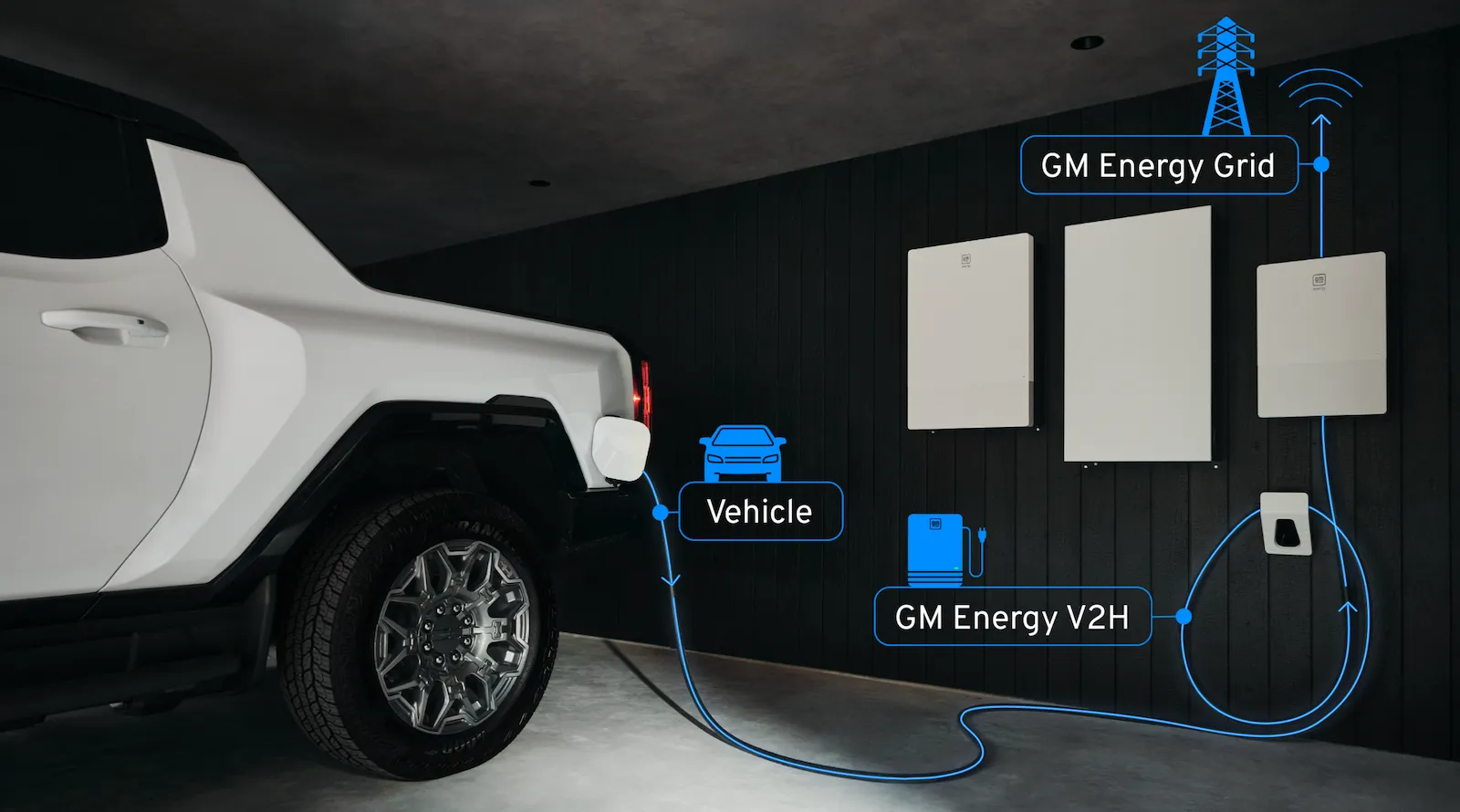
The automaker stated that its more than 250,000 bidirectional-capable vehicles in the US today have enough combined battery capacity to power roughly 120,000 average US homes for up to a week.
An International Energy Agency analysis cited by GM shows V2G can deliver the largest hourly energy flexibility of any technology evaluated.
Tap a lens to see what this story means for you.
Liked this? The Brief brings you the whole day in tech, verified, every morning.
Two minutes, free forever. What's in The Brief →
See what’s happening right now
The Feed runs all day — short, verified briefs the moment they break.
Open the FeedFollow @thecircuitry_
Every story we publish, as it happens. No noise between.
Reader-supported
The Circuitry is a passion project I've always wanted to build, and I love the work behind it.
Running it costs real money. APIs, hosting, time. To keep improving the site and growing this into something useful for everyone, those costs have to be covered.
Any contribution is appreciated. If not, no pressure. Thanks for reading.
LG Energy Solution has begun production of LFP and NMC battery cells at its Lansing, Michigan factory, announced on 18 August. The plant is expected to reach more than 35 GWh annual capacity to supply both BESS and EV customers including Toyota.
GM announced Energy Pass, a unified interface in its existing vehicle apps that connects to major charging networks representing nearly 70% of US DC fast chargers. It reduces friction from multiple apps and accounts while rolling out Plug&Charge capabilities and aligning with GM's full shift to native NACS ports.
Toyota has abandoned its planned Lexus LF-ZC electric sedan that was due by the end of 2026. The company will instead focus on larger SUVs while continuing solid-state battery and gigacasting development for future EVs.
Rivian confirms the R2 launches on June 9 with order invitations, demo drives at its Spaces and initial customer deliveries all beginning that day. The concurrent approach seeks to avoid criticism from the R1 rollout as the company shifts toward mass-market EVs.
A roundup of electric mobility news on September 5, 2026 highlights the August 11 bankruptcy at Accell Group and July 29 judicial recovery for CactUs Lock, a prominent charging myth on French radio, solar battery test results, and a policy reversal on Tesla FSD following July resistance. These stories illustrate ongoing financial fragility, public misunderstanding of EV best practices, and evolving regulatory attitudes across Europe.