The Circuitry
THE CIRCUITRYYour one-stop source for all tech news
HOMETODAYNEWSFEEDEVENTS
BOOKMARKS
RSS
© 2026 The Circuitry
About UsSourcesContactCorrectionsPrivacy
  • Today
  • Feed
  • Events
  • Saved
Scroll for more
Verification
VERIFIEDConfidence: HIGH
Source identified
Claims cross-referenced
No discrepancies found
Sourcing
1source

via theverge.com

theverge.com · track record
2Stories
100%Verified
130d
All sources →
Markets
GOOGL···

Live quote · not investment advice

From The CircuitryWhy The Circuitry

Verified tech news, cross-checked.

Every story is checked against independent sources before it posts — no rumors dressed up as fact.

How we verify →
Home/Tech/Google Home Adds MCP Support for Third-Party AI Agents
VERIFIEDBy Xavier Rivera· ·2.5 min read

Google Home Adds MCP Support for Third-Party AI Agents

Google launched early access to Home MCP on September 16, 2026, letting AI agents like Claude and Google Antigravity control devices and analyze history in Google Home. The feature requires a $20/month Premium Advanced subscription in the US and involves technical setup via Google Cloud.
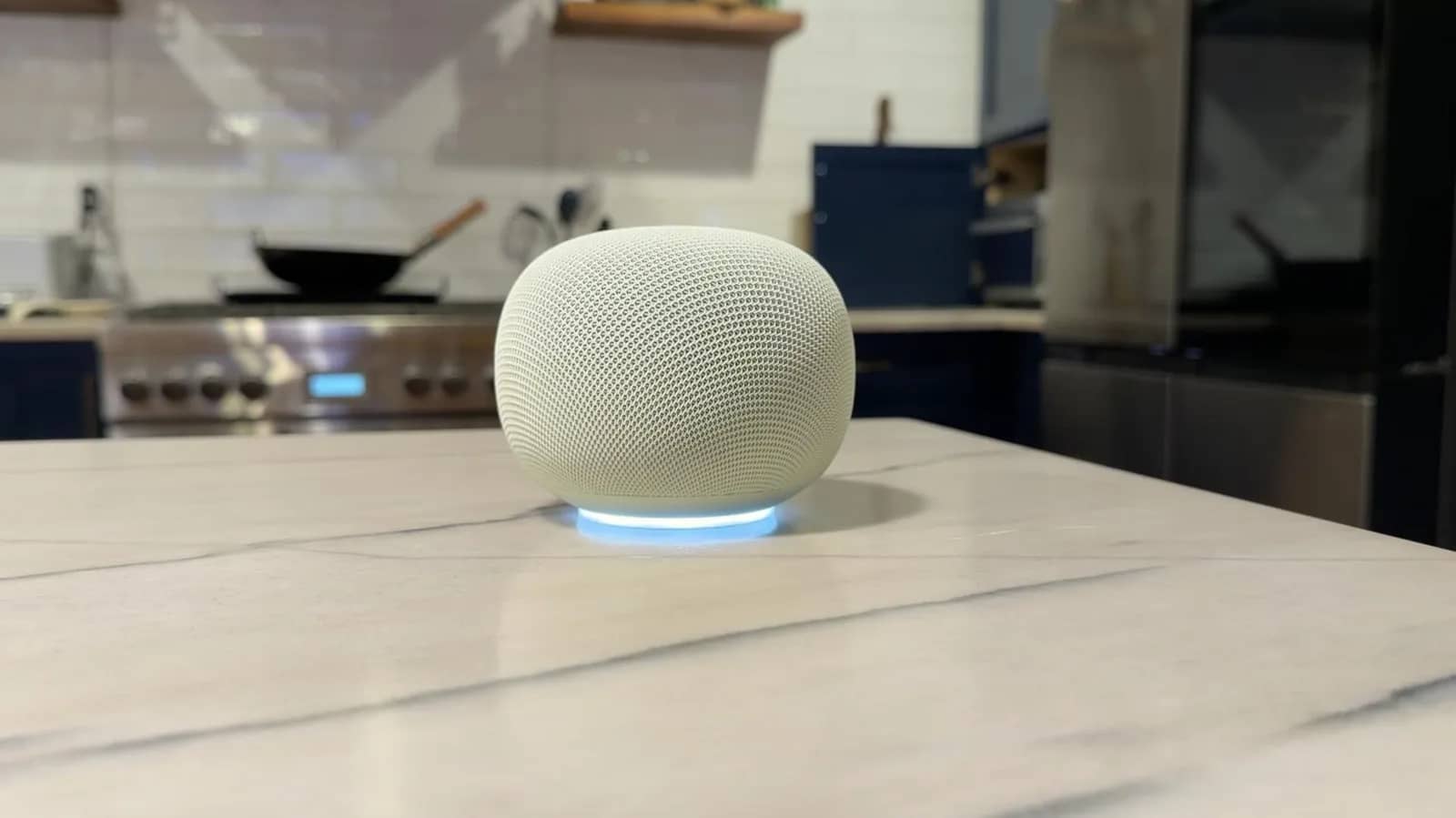
Source:theverge.com
Post
Google Home Adds MCP Support for Third-Party AI Agents
From The CircuitryWhy The Circuitry

Verified tech news, cross-checked.

Every story is checked against independent sources before it posts — no rumors dressed up as fact.

How we verify →
Google has launched early access to Home MCP, an integration that lets third-party AI agents control devices, monitor states, and analyze event history in the Google Home ecosystem.

Google Home now supports the Model Context Protocol for agentic AI control.
The company rolled out the feature on September 16, 2026. It enables any AI agent that supports MCP, including Google Antigravity, Claude, Hermes, and OpenClaw, to securely interact with all devices and historical data in a user's Google Home setup. Taylor Lehman, group product manager at Google Home & Nest, described the integration in a blog post as one that connects chosen AI agents to real-world events.

Users gain capabilities such as cross-camera analysis to review what occurred when children returned from school, querying device state history to determine weekly laundry loads or light usage duration, and having agents send voice messages via Google Home speakers upon task completion. Agents can also generate custom dashboards for device control using natural language instructions.

Setup requires a Google Cloud project and a paid subscription.
Access begins rolling out immediately and continues over the coming weeks exclusively to Google Home Premium Advanced subscribers in the United States. The tier costs $20 per month or $200 per year and already includes extended video history, detailed alerts, video search tools, and daily summaries. Users must create a Google Cloud project, configure it for Home MCP, provide details to their selected agent, and complete an authentication flow that includes signing in and granting permissions. A setup guide appears in the Google Home Developer Center.
From The CircuitryThe Feed — live briefs across tech, all day.See what’s happening →

The integration works across the full range of Google Home devices.
Supported hardware includes Google Nest doorbells, thermostats, cameras, and any Matter or "Works with Google Home" products such as light bulbs, locks, and appliances. Home MCP is designed to let agents discover homes and devices, read state and history, and run supported device actions through the Google Home ecosystem. Google Home smart speakers continue to use Gemini for primary control, but MCP-enabled agents can deliver audio notifications through them.

Security and privacy concerns accompany the expanded agent access.
Granting AI agents control over physical devices such as smart locks, HVAC systems, and appliances raises questions about safety and data protection. Google notes that users can revoke an agent's Home MCP access at any time through the Google Home app or My Accounts page. The company frames the protocol as an open standard that provides agents with physical context to analyze activity, summarize footage, manage devices, and build personalized interfaces.
From The CircuitryWhy The Circuitry

Verified tech news, cross-checked.

Every story is checked against independent sources before it posts — no rumors dressed up as fact.

How we verify →
The rollout marks a step toward more flexible, agent-driven smart home management while maintaining Gemini as the default interface for the Home app and speakers. Additional regions and broader availability details have not yet been disclosed.
Why this mattersAI · ~100 words

Tap a lens to see what this story means for you.

Morning Brief

Liked this? The Brief brings you the whole day in tech, verified, every morning.

Two minutes, free forever. What's in The Brief →

Reader-supported
DonateBuy me a coffee →Follow@thecircuitry_ →Follow@thecircuitry.to →
HELP US IMPROVE
From The Circuitry

See what’s happening right now

The Feed runs all day — short, verified briefs the moment they break.

Open the Feed →
From The Circuitry

Follow @thecircuitry_

Every story we publish, as it happens. No noise between.

Follow on X ↗On Bluesky ↗

Reader-supported

The Circuitry is a passion project I've always wanted to build, and I love the work behind it.

Running it costs real money. APIs, hosting, time. To keep improving the site and growing this into something useful for everyone, those costs have to be covered.

Any contribution is appreciated. If not, no pressure. Thanks for reading.

Buy me a coffee
More fromtheverge.com
  • New York Passes One-Year Moratorium on New Large Data Centers

    Tech · 4mo
More inTech
  • Critical CVE-2026-16823 hits IBM Security Verify Access

    Tech · 13h
  • Anthropic Launches Cyber Mission to Secure Infrastructure and Open-Source Code

    Tech · 13h
  • Bloomberg: Apple plans first touchscreen MacBook Pros for October 27

    Tech · 14h
SupportThe Work

The Circuitry is reader-supported. If you find the daily brief useful, you can buy me a coffee to keep it going.

Buy a coffee →
From The CircuitryWhy The Circuitry

Verified tech news, cross-checked.

Every story is checked against independent sources before it posts — no rumors dressed up as fact.

How we verify →

MORE IN THIS BEAT

All Tech →
  • Tech· 

    GlobalFoundries signs $2B TSMC deal for US silicon interposers

    GlobalFoundries signed a multi-year US$2 billion agreement with TSMC on October 8, 2026 to manufacture silicon interposers at its Malta, New York fab. The deal creates the first US-based source of silicon interposers for TSMC's CoWoS advanced packaging ecosystem.

  • Tech· 

    SpaceX agrees to buy 800 MHz spectrum for Starlink Mobile

    SpaceX has agreed to acquire Grain Management's nationwide 800 MHz spectrum portfolio, which it says will pave the way for Starlink Mobile to become a major US mobile carrier. The deal needs FCC approval, and financial terms were not disclosed.

  • Tech· 

    Microsoft discloses CVE-2026-83947 in Azure Event Grid

    Microsoft has disclosed CVE-2026-83947, a CVSS 7.7 HIGH spoofing vulnerability in Azure Event Grid caused by missing authorization. Microsoft says it has already fully mitigated the cloud-service flaw and customers have nothing to do.

  • Tech· 

    Critical CVE-2026-77900 Hits Microsoft Azure App Service for Linux

    A critical vulnerability CVE-2026-77900 affects Microsoft Azure App Service for Linux with a CVSS score of 9.8. The flaw allows an unauthenticated attacker to execute code over the network. Microsoft says it has already fully mitigated the flaw; no customer action is needed.

  • Tech· 

    Critical CVE-2026-88131 hits Microsoft Dataverse with remote code execution

    Microsoft Dataverse is affected by critical vulnerability CVE-2026-88131, which allows remote code execution. The flaw scores 9.8 on CVSS; Microsoft says it has already fully mitigated it and customers have nothing to patch.