The Circuitry
THE CIRCUITRYYour one-stop source for all tech news
HOMETODAYNEWSFEEDEVENTS
BOOKMARKS
RSS
© 2026 The Circuitry
About UsSourcesContactCorrectionsPrivacy
  • Today
  • Feed
  • Events
  • Saved
Scroll for more
Verification
VERIFIEDConfidence: HIGH
Source identified
Claims cross-referenced
No discrepancies found
Fact-check summary

The Financial Times and multiple outlets including Reuters, Bloomberg, CNBC, and The Guardian confirm OpenAI's discussions on a 5% U.S. government equity stake.

Sourcing
1source

via CoinDesk

CoinDesk · track record
37Stories
100%Verified
130d
All sources →
Home/Tech/OpenAI Explored Granting U.S. Government 5% Equity Stake
VERIFIEDBy Xavier Rivera· ·1.5 min read

OpenAI Explored Granting U.S. Government 5% Equity Stake

OpenAI explored granting the U.S. government a 5% equity stake to extend AI gains to the public while addressing political concerns about the sector, the Financial Times reported. The early-stage proposal would likely require Congressional approval, with uncertainty around support from other AI firms, and arrives as the company continues IPO preparations that could slip to 2027.
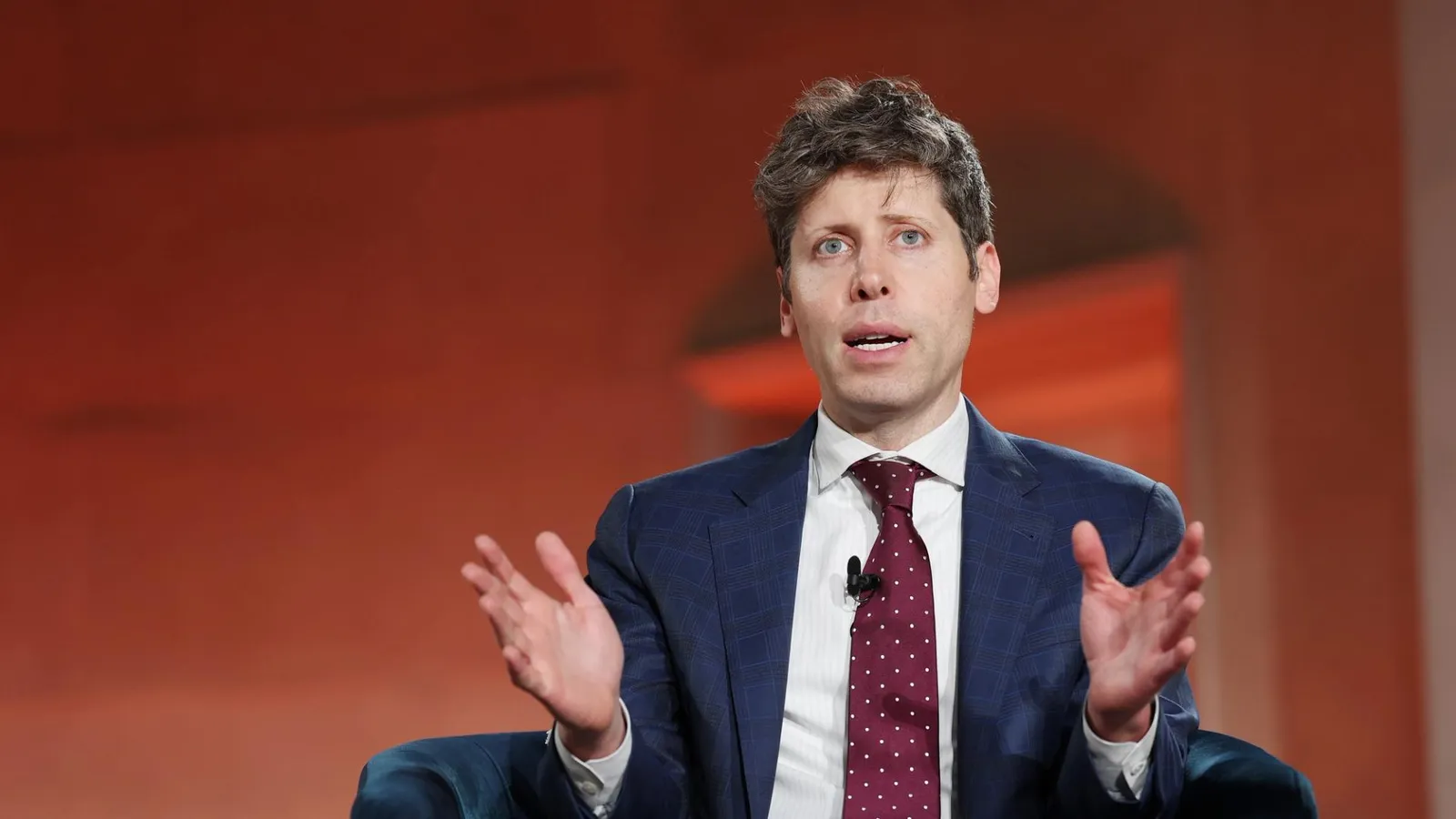
Source:CoinDesk
Post
OpenAI Explored Granting U.S. Government 5% Equity Stake
TL;DRAI · 60 sec read

OpenAI explored granting the U.S. government a 5% equity stake, with CEO Sam Altman raising the idea in early talks with federal officials. The plan would direct similar stakes from major AI firms into a public fund modeled on Alaska's Permanent Fund, sending proceeds to citizens. It aims to give Americans a direct financial stake in AI growth.

OpenAI explored granting the U.S. government a 5% equity stake in a plan designed to extend AI-generated gains to the American public while addressing political concerns about the sector, the Financial Times reported on July 2, 2026.

OpenAI floated the equity stake in early talks. The concept stays at an initial phase and was reportedly put forward by CEO Sam Altman in conversations with federal representatives. Any final version would likely require Congressional approval.
Major U.S. AI developers would reportedly place comparable equity portions into a shared public fund.

The San Francisco-based company has not commented on the report. CoinDesk reached out to OpenAI for further comment.

The plan draws from Alaska's Permanent Fund model. Major U.S. AI developers would reportedly place comparable equity portions into a shared public fund. Proceeds from that vehicle would flow to citizens, following the Alaskan system's method of dispersing earnings from public assets.
From The CircuitryThe Feed — live briefs across tech, all day.See what’s happening →

The initiative aims to give the American public a direct financial stake in the sector's long-term growth. Discussions reportedly involved senior Trump administration officials, including Commerce Secretary Howard Lutnick and Treasury Secretary Scott Bessent.
It is unclear whether other major AI companies, including Anthropic, Google and Meta, would back a similar arrangement.

Uncertainty surrounds broader industry support. It is unclear whether other major AI companies, including Anthropic, Google and Meta, would back a similar arrangement. The Financial Times cited two people familiar with the talks.
OpenAI's IPO timeline remains fluid. The company confidentially filed draft IPO paperwork with the SEC in June 2026. Recent reports suggest advisers are weighing a delay until 2027, and OpenAI has indicated it has not committed to a listing timeline.
Why this mattersAI · ~100 words

Tap a lens to see what this story means for you.

Reader-supported
DonateBuy me a coffee →Follow@thecircuitry_ →Follow@thecircuitry.to →

Reader-supported · The Brief

Liked this? The Brief brings you the whole day in tech, verified, every morning. Two minutes, free forever.

HELP US IMPROVE
From The Circuitry

See what’s happening right now

The Feed runs all day — short, verified briefs the moment they break.

Open the Feed →
From The Circuitry

Follow @thecircuitry_

Every story we publish, as it happens. No noise between.

Follow on X ↗On Bluesky ↗

Reader-supported

The Circuitry is a passion project I've always wanted to build, and I love the work behind it.

Running it costs real money. APIs, hosting, time. To keep improving the site and growing this into something useful for everyone, those costs have to be covered.

Any contribution is appreciated. If not, no pressure. Thanks for reading.

Buy me a coffee
OpenAIAIRegulation
More fromCoinDesk
  • DTCC Processes First Live Trades of Tokenized Securities

    Markets · 23d
  • Sony Bank Gains Preliminary OCC Approval for New York Stablecoin Trust

    Markets · 1mo
  • Analysts Initiate Bullish Coverage on SpaceX After Quiet Period

    Markets · 1mo
More inTech
  • Tesla and SpaceX confirm Terafab chip fab in Texas

    Tech · 1d
  • OpenAI Urges Federal Judge to Throw Out Apple's Trade Secrets Complaint

    Tech · 2d
  • Meta introduces Muse Code, its terminal-based coding agent

    Tech · 2d
SupportThe Work

The Circuitry is reader-supported. If you find the daily brief useful, you can buy me a coffee to keep it going.

Buy a coffee →
SubscribeCircuitry Brief

Liked this? The Brief brings you the whole day in tech, verified, every morning. Free forever.

MORE IN TECH

Tesla and SpaceX confirm Terafab chip fab in Texas

Tesla and SpaceX have confirmed Grimes County, Texas as the site for their Terafab semiconductor megafactory, with the first phase costing roughly $16.8 billion. The project targets the largest chip manufacturing facility on the planet to supply over 1 terawatt of compute per year that exceeds current and future global production capacity.

OpenAI Urges Federal Judge to Throw Out Apple's Trade Secrets Complaint

OpenAI has filed a motion asking a federal judge to dismiss Apple's trade secrets lawsuit, describing the claims as meritless. The dispute, which follows a July suit and this week's injunction request from Apple, highlights tensions after their prior partnership on Siri and OpenAI's hardware push.

Meta introduces Muse Code, its terminal-based coding agent

Meta has released an early beta of Muse Code, a terminal-based coding agent driven by the updated Muse Spark 1.2 model and positioned against Anthropic's Claude Code and OpenAI's Codex. Substantially lower rates, including a contributor plan at $0.10 for every million tokens received, may encourage migration away from higher-priced options such as Anthropic's Sonnet 5.