The Circuitry
THE CIRCUITRYYour one-stop source for all tech news
HOMETODAYNEWSFEEDEVENTS
BOOKMARKS
RSS
© 2026 The Circuitry
About UsSourcesContactCorrectionsPrivacy
  • Today
  • Feed
  • Events
  • Saved
Scroll for more
Verification
VERIFIEDConfidence: HIGH
Source identified
Claims cross-referenced
No discrepancies found
Fact-check summary

Multiple outlets (Neowin, Reuters, Axios, CNBC) confirm OpenAI's GPT-5.6 Sol, Terra and Luna global release July 9 after Trump admin review.

Sourcing
1source

via Engadget

Engadget · track record
21Stories
100%Verified
730d
All sources →
Home/Tech/OpenAI secures approval to release GPT-5.6 variants on July 9
VERIFIEDBy Xavier Rivera· ·2 min read

OpenAI secures approval to release GPT-5.6 variants on July 9

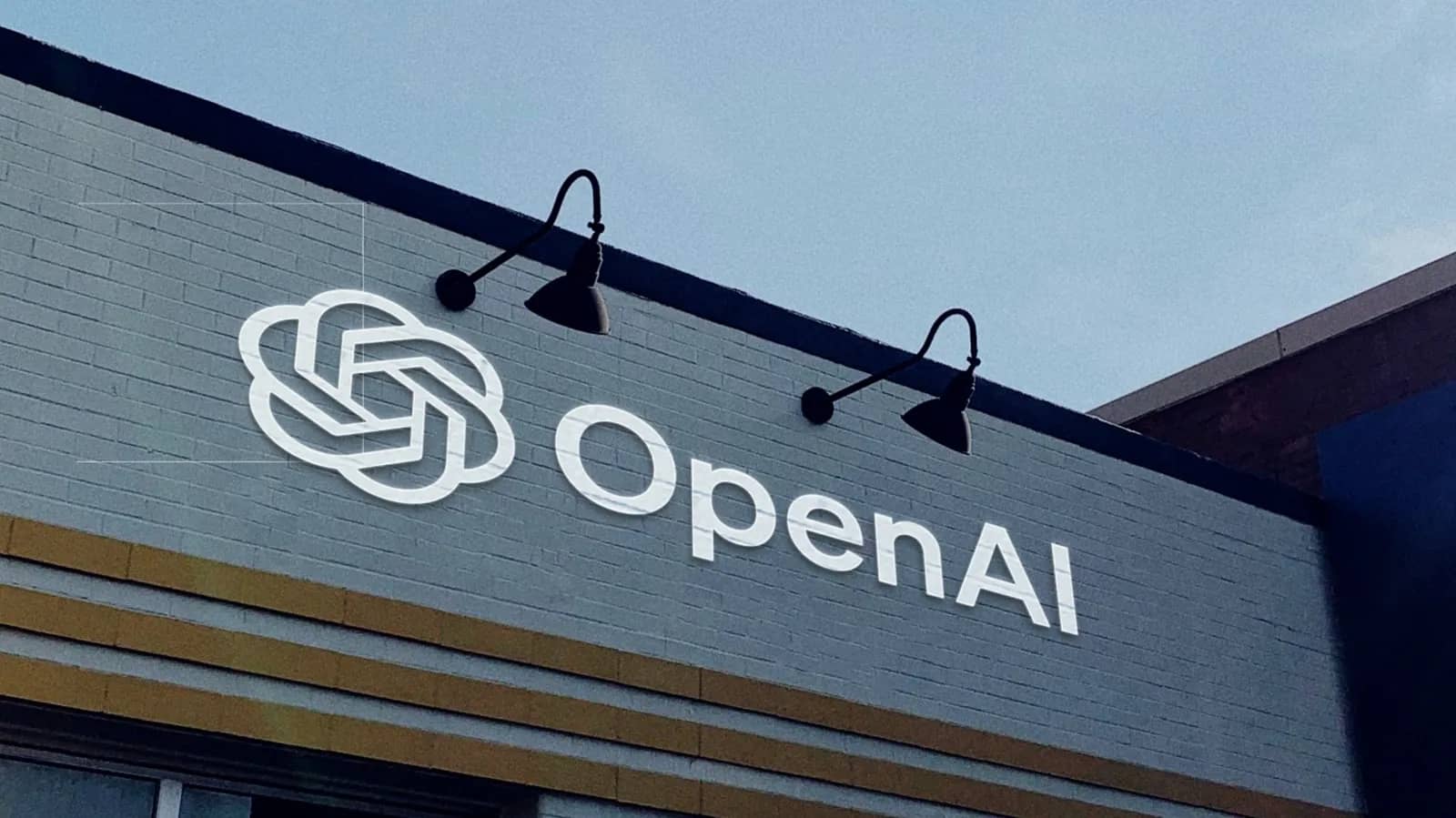
OpenAI will publicly launch its GPT-5.6 models Sol, Luna and Terra on July 9 after receiving Trump administration approval following government review and testing. The rollout ends a limited preview that began in late June under an AI cybersecurity order requiring 30-day advance submission of powerful models.
Source:Engadget
Post
OpenAI secures approval to release GPT-5.6 variants on July 9
TL;DRAI · 60 sec read

OpenAI gains approval to release GPT-5.6 variants Sol, Luna and Terra worldwide on July 9. The company submitted the models for review under a Trump AI order requiring 30-day checks before broad release, and officials cleared them after extra testing. The three variants differ in capability and price.

OpenAI plans to make its latest models available to everyone this Thursday. The company revealed on X that preview access for Sol, Luna and Terra will expand worldwide beginning July 9, adding "We're expanding preview access globally now."

OpenAI submitted the models for review under a Trump administration order. It first offered GPT-5.6 only to a "small group of trusted partners" in late June to satisfy a White House directive. President Trump signed an AI cybersecurity order in early June that calls on developers to voluntarily submit their strongest systems for official examination 30 days ahead of broad distribution.
OpenAI submitted the models for review under a Trump administration order.
The firm noted then that it opposed turning such reviews into standard practice yet chose to follow the rule so it could reach the market faster.
POST FROM @OpenAI· official announcement tweet embedded and directly referenced in the article
https://x.com/OpenAI/status/2074704958419792299
The Trump administration granted permission after additional testing. Axios reported that officials signed off on wider distribution once the models cleared extra evaluation and further discussions. Staff from the Department of Commerce's Center for AI Standards and Innovation ran those checks while OpenAI dispatched engineers to Washington so any issues could be resolved on the spot.
From The CircuitryThe Feed — live briefs across tech, all day.See what’s happening →
The entire sequence lasted well under the full 30-day period. All three GPT-5.6 variants will therefore become accessible globally on July 9.
The Trump administration granted permission after additional testing.
GPT-5.6 includes three variants with distinct capabilities and pricing. Sol stands as the firm's most capable offering to date. Terra targets everyday use and promises a similar performance to GPT-5.5 despite being twice as cheap, while Luna functions as the lowest-cost option.

Sol pricing stands at $5 per million input tokens and $30 per million output tokens. Terra costs $2.50 per million input and $15 per million output, while Luna is priced at $1 per million input and $6 per million output.
Anthropic followed similar compliance steps for its own models. The company blocked access to its latest Mythos cybersecurity and Fable models to meet government requirements preventing foreign nationals from using them. Anthropic has since gained approval to redeploy the more exclusive Mythos 5 model and eventually Fable 5, which brings many capabilities to the public.
Why this mattersAI · ~100 words

Tap a lens to see what this story means for you.

Reader-supported
DonateBuy me a coffee →Follow@thecircuitry_ →Follow@thecircuitry.to →

Reader-supported · The Brief

Liked this? The Brief brings you the whole day in tech, verified, every morning. Two minutes, free forever.

HELP US IMPROVE
From The Circuitry

See what’s happening right now

The Feed runs all day — short, verified briefs the moment they break.

Open the Feed →
From The Circuitry

Follow @thecircuitry_

Every story we publish, as it happens. No noise between.

Follow on X ↗On Bluesky ↗

Reader-supported

The Circuitry is a passion project I've always wanted to build, and I love the work behind it.

Running it costs real money. APIs, hosting, time. To keep improving the site and growing this into something useful for everyone, those costs have to be covered.

Any contribution is appreciated. If not, no pressure. Thanks for reading.

Buy me a coffee
OpenAIGPT-5.6AI models
More fromEngadget
  • Meta introduces Muse Code, its terminal-based coding agent

    Tech · 2d
  • SpaceX Q2 revenue hits $7.8B as AI unit drives reported 2,013% CapEx surge

    Tech · 3d
  • Netflix Applied GenAI Workflows to Approximately 300 Shows and Films This Year

    Tech · 22d
More inTech
  • Tesla and SpaceX confirm Terafab chip fab in Texas

    Tech · 1d
  • OpenAI Urges Federal Judge to Throw Out Apple's Trade Secrets Complaint

    Tech · 2d
  • Meta introduces Muse Code, its terminal-based coding agent

    Tech · 2d
SupportThe Work

The Circuitry is reader-supported. If you find the daily brief useful, you can buy me a coffee to keep it going.

Buy a coffee →
SubscribeCircuitry Brief

Liked this? The Brief brings you the whole day in tech, verified, every morning. Free forever.

MORE IN TECH

Tesla and SpaceX confirm Terafab chip fab in Texas

Tesla and SpaceX have confirmed Grimes County, Texas as the site for their Terafab semiconductor megafactory, with the first phase costing roughly $16.8 billion. The project targets the largest chip manufacturing facility on the planet to supply over 1 terawatt of compute per year that exceeds current and future global production capacity.

OpenAI Urges Federal Judge to Throw Out Apple's Trade Secrets Complaint

OpenAI has filed a motion asking a federal judge to dismiss Apple's trade secrets lawsuit, describing the claims as meritless. The dispute, which follows a July suit and this week's injunction request from Apple, highlights tensions after their prior partnership on Siri and OpenAI's hardware push.

Meta introduces Muse Code, its terminal-based coding agent

Meta has released an early beta of Muse Code, a terminal-based coding agent driven by the updated Muse Spark 1.2 model and positioned against Anthropic's Claude Code and OpenAI's Codex. Substantially lower rates, including a contributor plan at $0.10 for every million tokens received, may encourage migration away from higher-priced options such as Anthropic's Sonnet 5.