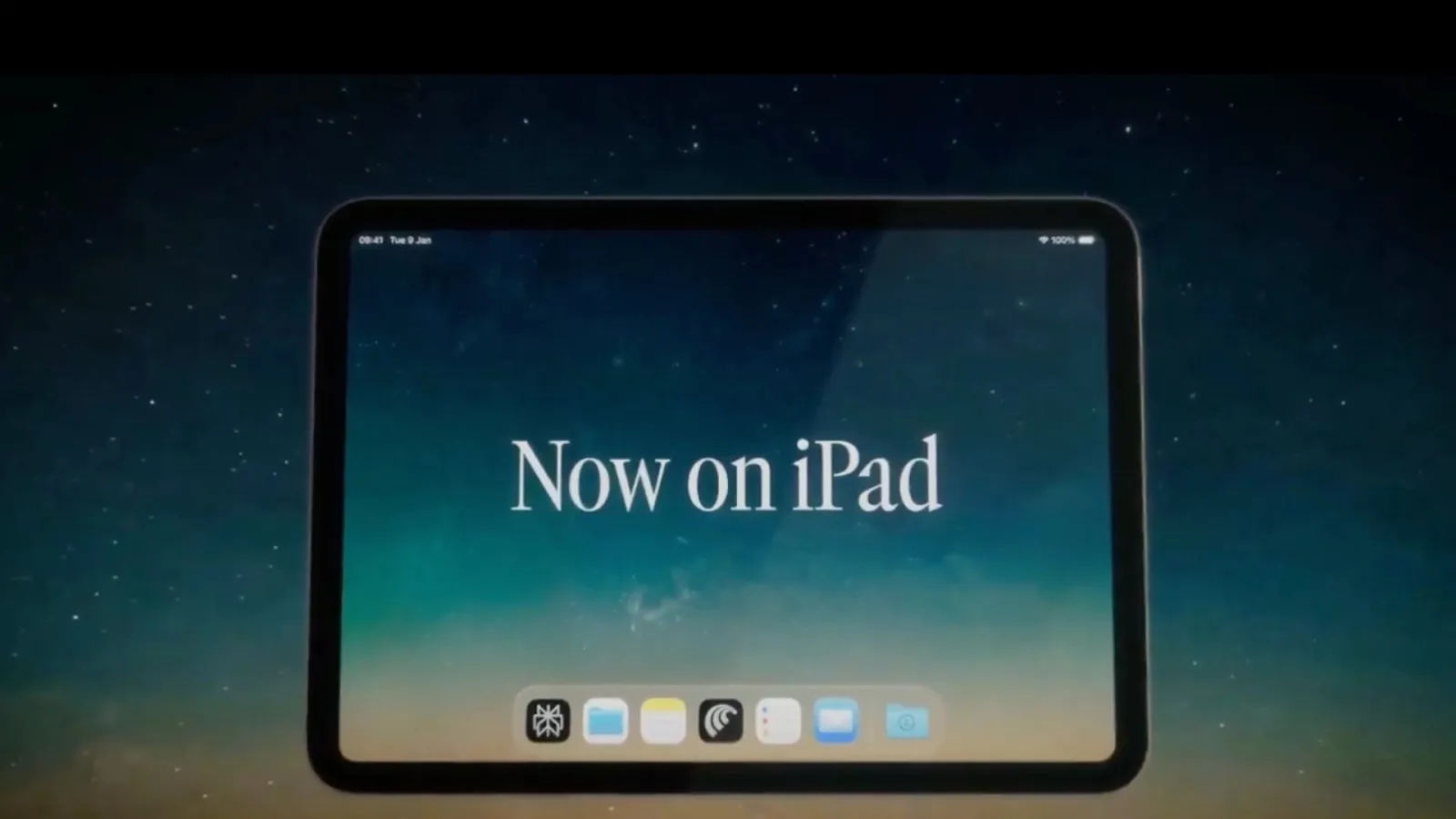
Perplexity updates its Comet AI browser with full iPadOS multitasking support, including multiple windows and Split View. The upgrade builds on prior basic iPad compatibility, enabling seamless use with other apps.
Tap a lens to see what this story means for you.
Liked this? The Brief brings you the whole day in tech, verified, every morning.
Two minutes, free forever. What's in The Brief →
See what’s happening right now
The Feed runs all day — short, verified briefs the moment they break.
Open the FeedFollow @thecircuitry_
Every story we publish, as it happens. No noise between.
Reader-supported
The Circuitry is a passion project I've always wanted to build, and I love the work behind it.
Running it costs real money. APIs, hosting, time. To keep improving the site and growing this into something useful for everyone, those costs have to be covered.
Any contribution is appreciated. If not, no pressure. Thanks for reading.
Apple plans to invite content creators to a Los Angeles showcase on October 27-28 for expected new MacBook Pro, iMac and iPad mini hardware, Bloomberg's Mark Gurman reports. No livestreamed event is planned, and Gurman says it will likely be Apple's final major launch of 2026.
Apple has launched the OLED iPad mini at $699 for the Wi-Fi model and $849 with cellular, below the roughly $799 that was expected in the US. An estimate of around 920 euros for France was never a reported price; it was calculated from the expected $799.
Bloomberg reports Apple will launch its first touchscreen MacBook Pros, a new iPad mini, and other models on or around October 27 with an online presentation and in-person press event. The products target creative professionals and include OLED displays across multiple lines.
MacRumors: Multiple sources indicate Apple intends to hold two separate rounds of product announcements during October, covering home devices on the 13th plus Macs and other hardware later in the month along with the iPhone Duo.
Apple announced price increases on several MacBook and iPad models after CEO Tim Cook warned last week that surging memory and storage costs driven by AI demand could no longer be fully absorbed by the company. The moves represent the first formal transfer of those expenses to customers and signal that further adjustments may follow.