The Circuitry
THE CIRCUITRYYour one-stop source for all tech news
HOMETODAYNEWSFEEDEVENTS
BOOKMARKS
RSS
© 2026 The Circuitry
About UsSourcesContactCorrectionsPrivacy
  • Today
  • Feed
  • Events
  • Saved
Scroll for more
Verification
VERIFIEDConfidence: HIGH
Source identified
Claims cross-referenced
No discrepancies found
Fact-check summary

Multiple outlets (Seeking Alpha, Law360, Tom's Hardware, Wccftech, Quartz) confirm the June 25 California class-action lawsuit against Samsung, SK Hynix, and Micron over alleged DRAM price-fixing and supply coordination.

Sourcing
1source

via En

Markets
MU···

Live quote · not investment advice

Home/Tech/Samsung, SK Hynix, Micron Sued in US for DRAM Price Fixing
VERIFIEDBy Xavier Rivera· ·1.5 min read

Samsung, SK Hynix, Micron Sued in US for DRAM Price Fixing

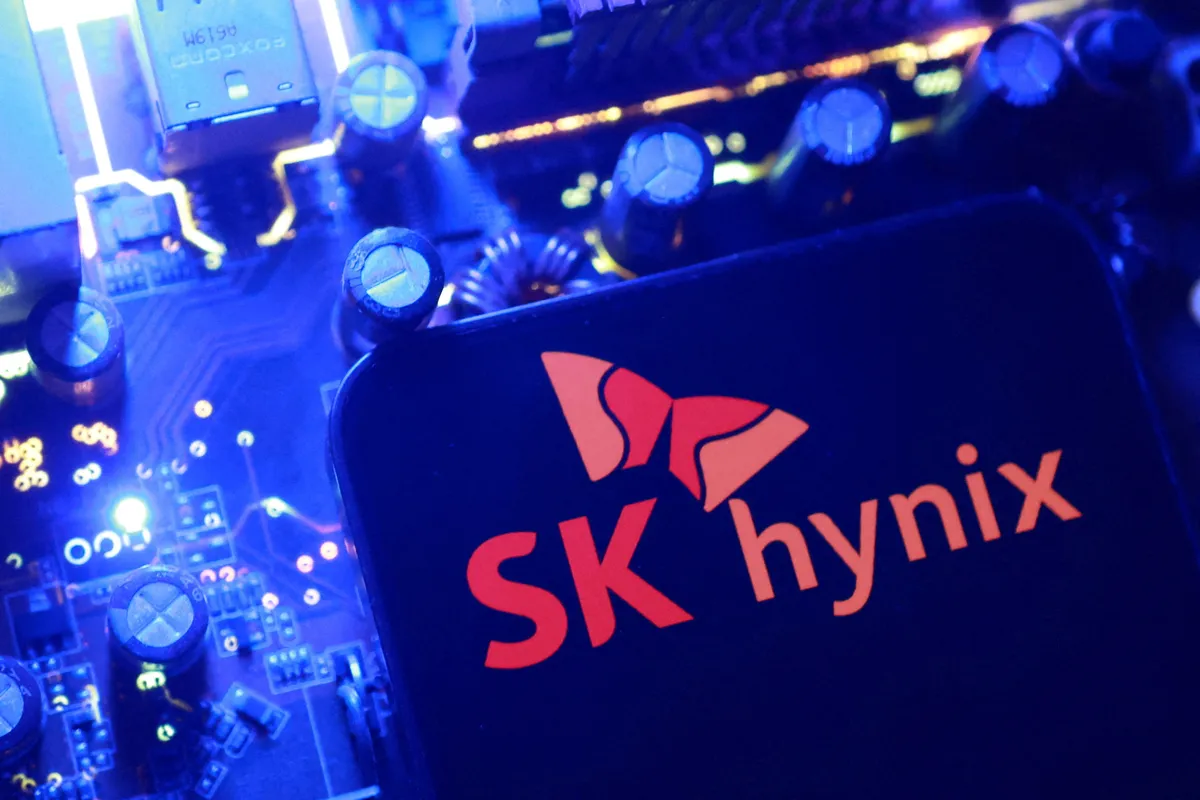
Samsung Electronics, SK hynix and Micron face a US lawsuit from consumers and small businesses alleging they colluded to fix DRAM prices, driving them up 700 percent since 2022. The case could expand to class-action status, potentially resulting in triple damages if the plaintiffs prevail.
Source:En
Post
Samsung, SK Hynix, Micron Sued in US for DRAM Price Fixing
TL;DRAI · 60 sec read

Fourteen consumers and three small businesses sued Samsung, SK Hynix, and Micron in California federal court. They allege the firms colluded to cut DRAM supply since 2022, driving prices up 700 percent, and seek class-action status for all buyers of DRAM products. Prior price-fixing convictions increase potential liability if the case succeeds.

Samsung Electronics, SK hynix and Micron have been sued by 14 individual consumers and three small businesses in a California federal court over alleged collusion to fix DRAM prices.

Plaintiffs accuse the three firms of reducing DRAM supply to drive up prices. The lawsuit, filed on June 25, claims the companies—which produce most of the world's DRAM—coordinated supply and pricing starting in 2022. Prices rose about 700 percent over the past four years, according to the plaintiffs.
Plaintiffs accuse the three firms of reducing DRAM supply to drive up prices.

They allege the firms used the transition to high-bandwidth memory as a pretext to cut DRAM output and discontinue DDR3 and DDR4 chips. The suit cites Apple's recent product price increases as the immediate trigger for the legal action.

The case is currently small in scale but seeks class-action status. The plaintiffs are represented by antitrust law firm Bathaee Dunne. The firm aims to expand the suit to represent all general consumers and businesses that purchased products containing DRAM.
From The CircuitryThe Feed — live briefs across tech, all day.See what’s happening →

Bathaee Dunne previously won a case alleging collusion in Google's digital advertising. If the court approves the class action and the plaintiffs prevail, the defendant companies would pay triple the damages.
Past US findings against Samsung and SK hynix add to the stakes.

Past US findings against Samsung and SK hynix add to the stakes. Both companies were previously found guilty of price fixing in the United States in the early 2000s. Those cases resulted in large fines and prison sentences for executives.
Industry analysts including investment bank Jefferies forecast that the lawsuit will not affect memory prices at least until the end of this year. The suit remains in its early stages in California federal court.
Why this mattersAI · ~100 words

Tap a lens to see what this story means for you.

Reader-supported
DonateBuy me a coffee →Follow@thecircuitry_ →Follow@thecircuitry.to →

Reader-supported · The Brief

Liked this? The Brief brings you the whole day in tech, verified, every morning. Two minutes, free forever.

HELP US IMPROVE
From The Circuitry

See what’s happening right now

The Feed runs all day — short, verified briefs the moment they break.

Open the Feed →
From The Circuitry

Follow @thecircuitry_

Every story we publish, as it happens. No noise between.

Follow on X ↗On Bluesky ↗

Reader-supported

The Circuitry is a passion project I've always wanted to build, and I love the work behind it.

Running it costs real money. APIs, hosting, time. To keep improving the site and growing this into something useful for everyone, those costs have to be covered.

Any contribution is appreciated. If not, no pressure. Thanks for reading.

Buy me a coffee
SamsungSK hynixMicronDRAMLawsuit
More inTech
  • Tesla and SpaceX confirm Terafab chip fab in Texas

    Tech · 1d
  • OpenAI Urges Federal Judge to Throw Out Apple's Trade Secrets Complaint

    Tech · 2d
  • Meta introduces Muse Code, its terminal-based coding agent

    Tech · 2d
SupportThe Work

The Circuitry is reader-supported. If you find the daily brief useful, you can buy me a coffee to keep it going.

Buy a coffee →
SubscribeCircuitry Brief

Liked this? The Brief brings you the whole day in tech, verified, every morning. Free forever.

MORE IN TECH

Tesla and SpaceX confirm Terafab chip fab in Texas

Tesla and SpaceX have confirmed Grimes County, Texas as the site for their Terafab semiconductor megafactory, with the first phase costing roughly $16.8 billion. The project targets the largest chip manufacturing facility on the planet to supply over 1 terawatt of compute per year that exceeds current and future global production capacity.

OpenAI Urges Federal Judge to Throw Out Apple's Trade Secrets Complaint

OpenAI has filed a motion asking a federal judge to dismiss Apple's trade secrets lawsuit, describing the claims as meritless. The dispute, which follows a July suit and this week's injunction request from Apple, highlights tensions after their prior partnership on Siri and OpenAI's hardware push.

Meta introduces Muse Code, its terminal-based coding agent

Meta has released an early beta of Muse Code, a terminal-based coding agent driven by the updated Muse Spark 1.2 model and positioned against Anthropic's Claude Code and OpenAI's Codex. Substantially lower rates, including a contributor plan at $0.10 for every million tokens received, may encourage migration away from higher-priced options such as Anthropic's Sonnet 5.