The Circuitry
THE CIRCUITRYYour one-stop source for all tech news
HOMETODAYNEWSFEEDEVENTS
BOOKMARKS
RSS
© 2026 The Circuitry
About UsSourcesContactCorrectionsPrivacy
  • Today
  • Feed
  • Events
  • Saved
Scroll for more
Verification
VERIFIEDConfidence: HIGH
Source identified
Claims cross-referenced
No discrepancies found
Fact-check summary

SpaceX's first post-IPO Q2 earnings (92% revenue growth to $7.8B, xAI/AI division contribution, sharp CapEx rise) are corroborated by investing.com and related coverage of the June 2026 IPO and xAI integration.

1 caveat
  • ▲Specific figures like 2,013% CapEx surge or $1.25B monthly Anthropic commitment not independently confirmed in other outlets.
Sourcing
1source

via Engadget

Engadget · track record
21Stories
100%Verified
730d
All sources →
Home/Tech/SpaceX Q2 revenue hits $7.8B as AI unit drives reported 2,013% CapEx surge
VERIFIEDBy Xavier Rivera· ·1 min read

SpaceX Q2 revenue hits $7.8B as AI unit drives reported 2,013% CapEx surge

SpaceX reported Q2 revenue of $7.8 billion, up 92 percent year-over-year, with its former xAI division driving growth through cloud deals while posting a reported 2,013 percent surge in capital expenditure to $15.8 billion. The results offer the first public window into the economics of an AI-scale operation, highlighting both revenue gains and massive infrastructure costs.
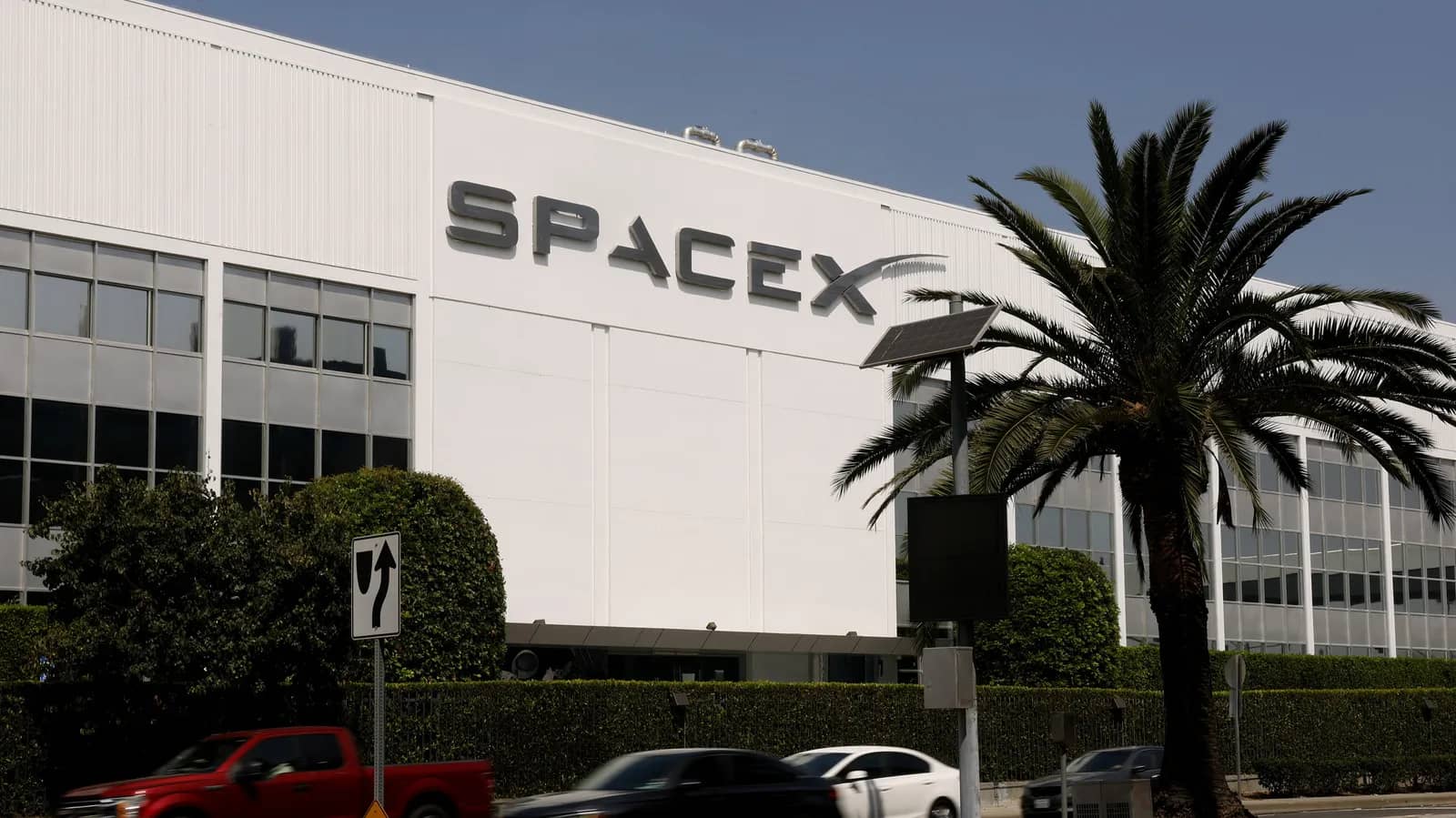
Source:Engadget
Post
SpaceX Q2 revenue hits $7.8B as AI unit drives reported 2,013% CapEx surge
TL;DRAI · 60 sec read

SpaceX reports $7.8 billion in Q2 revenue, up 92 percent year over year, with its AI division generating $2.56 billion. Net losses fell to $541 million. Capital expenditures rose 2,013 percent to $15.8 billion due to AI infrastructure. The results highlight the enormous spending required to operate large-scale AI data centers.

SpaceX has released its first public earnings report since going public on June 12, revealing financials that mirror those of an AI company in 2026.

SpaceX revenue grew 92 percent year-over-year to $7.8 billion in Q2. The company reduced its net losses to $541 million from $1 billion a year earlier. Operating expenses narrowed the gap with revenue by more than half.
The earnings provide the first definitive public look at the costs of running an AI business at this scale.

The former xAI division generated a reported $2.56 billion in revenue. That figure represents a 247 percent increase from $737 million in the prior-year quarter. SpaceX attributes the growth primarily to Cloud Services Agreements, including publicized deals with Anthropic and Google to utilize its data centers.
From The CircuitryThe Feed — live briefs across tech, all day.See what’s happening →
The AI division cut its operating loss to $1.25 billion from $1.54 billion. However, capital expenditure across the company jumped sharply. Year-over-year CapEx increased by a reported 2,013 percent to $15.8 billion for the quarter.

Rocket launch operations spent $1.17 billion on fixed assets. That amount stands in contrast to the AI division's spending levels. The earnings provide the first definitive public look at the costs of running an AI business at this scale.
Anthropic has agreed to a reported $1.25 billion monthly commitment through May 2029. The agreement covers use of the Colossus 1 data center. SpaceX's pending Cursor acquisition is expected to affect the AI division's results once it closes this quarter.
Why this mattersAI · ~100 words

Tap a lens to see what this story means for you.

Reader-supported
DonateBuy me a coffee →Follow@thecircuitry_ →Follow@thecircuitry.to →

Reader-supported · The Brief

Liked this? The Brief brings you the whole day in tech, verified, every morning. Two minutes, free forever.

HELP US IMPROVE
From The Circuitry

See what’s happening right now

The Feed runs all day — short, verified briefs the moment they break.

Open the Feed →
From The Circuitry

Follow @thecircuitry_

Every story we publish, as it happens. No noise between.

Follow on X ↗On Bluesky ↗

Reader-supported

The Circuitry is a passion project I've always wanted to build, and I love the work behind it.

Running it costs real money. APIs, hosting, time. To keep improving the site and growing this into something useful for everyone, those costs have to be covered.

Any contribution is appreciated. If not, no pressure. Thanks for reading.

Buy me a coffee
SpaceXEarningsAICapEx
More fromEngadget
  • Meta introduces Muse Code, its terminal-based coding agent

    Tech · 2d
  • Netflix Applied GenAI Workflows to Approximately 300 Shows and Films This Year

    Tech · 22d
  • Google opens Android to third-party app stores July 22

    Tech · 24d
More inTech
  • Tesla and SpaceX confirm Terafab chip fab in Texas

    Tech · 1d
  • OpenAI Urges Federal Judge to Throw Out Apple's Trade Secrets Complaint

    Tech · 2d
  • Meta introduces Muse Code, its terminal-based coding agent

    Tech · 2d
SupportThe Work

The Circuitry is reader-supported. If you find the daily brief useful, you can buy me a coffee to keep it going.

Buy a coffee →
SubscribeCircuitry Brief

Liked this? The Brief brings you the whole day in tech, verified, every morning. Free forever.

MORE IN TECH

Tesla and SpaceX confirm Terafab chip fab in Texas

Tesla and SpaceX have confirmed Grimes County, Texas as the site for their Terafab semiconductor megafactory, with the first phase costing roughly $16.8 billion. The project targets the largest chip manufacturing facility on the planet to supply over 1 terawatt of compute per year that exceeds current and future global production capacity.

OpenAI Urges Federal Judge to Throw Out Apple's Trade Secrets Complaint

OpenAI has filed a motion asking a federal judge to dismiss Apple's trade secrets lawsuit, describing the claims as meritless. The dispute, which follows a July suit and this week's injunction request from Apple, highlights tensions after their prior partnership on Siri and OpenAI's hardware push.

Meta introduces Muse Code, its terminal-based coding agent

Meta has released an early beta of Muse Code, a terminal-based coding agent driven by the updated Muse Spark 1.2 model and positioned against Anthropic's Claude Code and OpenAI's Codex. Substantially lower rates, including a contributor plan at $0.10 for every million tokens received, may encourage migration away from higher-priced options such as Anthropic's Sonnet 5.