The Circuitry
THE CIRCUITRYYour one-stop source for all tech news
HOMETODAYNEWSFEEDEVENTS
BOOKMARKS
RSS
© 2026 The Circuitry
About UsSourcesContactCorrectionsPrivacy
  • Today
  • Feed
  • Events
  • Saved
Scroll for more
Verification
VERIFIEDConfidence: HIGH
Source identified
Claims cross-referenced
No discrepancies found
Fact-check summary

Multiple outlets (Infineon, PR Newswire, Semiconductor Today, Compound Semiconductor) corroborate the May 2026 ITC final determination finding Innoscience infringed Infineon's GaN patent, with the 60-day presidential review ending around July 7.

Sourcing
1source

via DigiTimes Asia

DigiTimes Asia · track record
41Stories
100%Verified
630d
All sources →
Home/Tech/US upholds Infineon win, bans Innoscience GaN imports
VERIFIEDBy Xavier Rivera· ·1 min read

US upholds Infineon win, bans Innoscience GaN imports

The US International Trade Commission has upheld its ruling that Innoscience infringed Infineon's GaN patent, imposing an import ban on the Chinese chipmaker's products. The decision, finalized after the presidential review window closed, strengthens patent protections for Infineon in the gallium nitride semiconductor market.
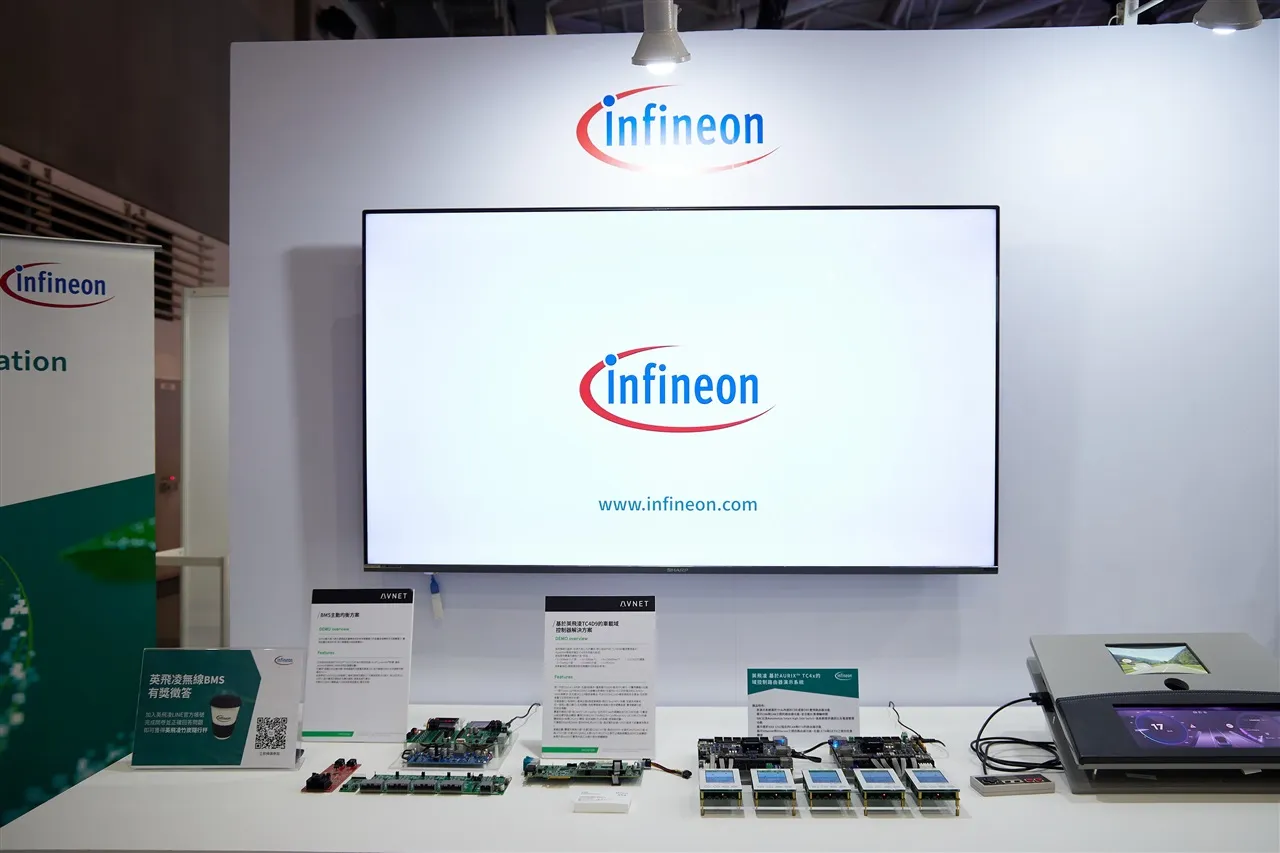
Source:DigiTimes Asia
Post
US upholds Infineon win, bans Innoscience GaN imports
TL;DRAI · 60 sec read

The US International Trade Commission upholds its ruling that Innoscience infringed Infineon's gallium nitride patent. An import ban on the Chinese firm's GaN chips into the United States now takes effect after the presidential review window closed. The decision protects Infineon's position in power electronics and fast-charging markets.

A final US International Trade Commission determination targeting Innoscience has been upheld once the presidential review window closed, confirming that the Chinese gallium nitride chipmaker infringed a patent owned by Germany's Infineon Technologies.

The ITC ruling imposes an import ban. The decision bars Innoscience from importing its gallium nitride chips into the United States. This follows the conclusion of the presidential review window on the ITC's earlier findings.
The decision bars Innoscience from importing its gallium nitride chips into the United States.

The ban targets products found to infringe Infineon's GaN patent. Innoscience is a Chinese manufacturer specializing in gallium nitride semiconductors.
From The CircuitryThe Feed — live briefs across tech, all day.See what’s happening →
Infineon initiated the patent infringement case. The German company accused Innoscience of violating its intellectual property related to GaN technology. The ITC's upheld determination validates Infineon's claims of infringement.
The ruling protects Infineon's position in the competitive GaN market.
Gallium nitride chips are used in power electronics and fast-charging applications. The ruling protects Infineon's position in the competitive GaN market.
The decision takes effect immediately after review. With the presidential review window now complete, the import ban is active. No further details on enforcement timelines or specific product models were disclosed in the determination.
Why this mattersAI · ~100 words

Tap a lens to see what this story means for you.

Reader-supported
DonateBuy me a coffee →Follow@thecircuitry_ →Follow@thecircuitry.to →

Reader-supported · The Brief

Liked this? The Brief brings you the whole day in tech, verified, every morning. Two minutes, free forever.

HELP US IMPROVE
From The Circuitry

See what’s happening right now

The Feed runs all day — short, verified briefs the moment they break.

Open the Feed →
From The Circuitry

Follow @thecircuitry_

Every story we publish, as it happens. No noise between.

Follow on X ↗On Bluesky ↗

Reader-supported

The Circuitry is a passion project I've always wanted to build, and I love the work behind it.

Running it costs real money. APIs, hosting, time. To keep improving the site and growing this into something useful for everyone, those costs have to be covered.

Any contribution is appreciated. If not, no pressure. Thanks for reading.

Buy me a coffee
SemiconductorsPatentsTrade
More fromDigiTimes Asia
  • Intel Ships First High-NA EUV Logic Product for Panther Lake

    Tech · 24d
  • LimX Dynamics Raises Nearly $200M Pre-IPO as It Prepares for Public Listing

    Tech · 24d
  • IBM Issues Rare Mid-Quarter Warning on AI Memory Shortage

    Tech · 24d
More inTech
  • Tesla and SpaceX confirm Terafab chip fab in Texas

    Tech · 1d
  • OpenAI Urges Federal Judge to Throw Out Apple's Trade Secrets Complaint

    Tech · 2d
  • Meta introduces Muse Code, its terminal-based coding agent

    Tech · 2d
SupportThe Work

The Circuitry is reader-supported. If you find the daily brief useful, you can buy me a coffee to keep it going.

Buy a coffee →
SubscribeCircuitry Brief

Liked this? The Brief brings you the whole day in tech, verified, every morning. Free forever.

MORE IN TECH

Tesla and SpaceX confirm Terafab chip fab in Texas

Tesla and SpaceX have confirmed Grimes County, Texas as the site for their Terafab semiconductor megafactory, with the first phase costing roughly $16.8 billion. The project targets the largest chip manufacturing facility on the planet to supply over 1 terawatt of compute per year that exceeds current and future global production capacity.


OpenAI Urges Federal Judge to Throw Out Apple's Trade Secrets Complaint

OpenAI has filed a motion asking a federal judge to dismiss Apple's trade secrets lawsuit, describing the claims as meritless. The dispute, which follows a July suit and this week's injunction request from Apple, highlights tensions after their prior partnership on Siri and OpenAI's hardware push.

Meta introduces Muse Code, its terminal-based coding agent

Meta has released an early beta of Muse Code, a terminal-based coding agent driven by the updated Muse Spark 1.2 model and positioned against Anthropic's Claude Code and OpenAI's Codex. Substantially lower rates, including a contributor plan at $0.10 for every million tokens received, may encourage migration away from higher-priced options such as Anthropic's Sonnet 5.