The Circuitry
THE CIRCUITRYYour one-stop source for all tech news
HOMETODAYNEWSFEEDEVENTS
BOOKMARKS
RSS
© 2026 The Circuitry
About UsSourcesContactCorrectionsPrivacy
  • Today
  • Feed
  • Events
  • Saved
Scroll for more
Verification
VERIFIEDConfidence: HIGH
Source identified
Claims cross-referenced
No discrepancies found
Sourcing
1source

via The Verge

The Verge · track record
89Stories
100%Verified
730d
All sources →
Home/Tech/Waymo Recalls Software After Robotaxi Drives on Flooded Road
VERIFIEDBy Xavier Rivera· ·1.5 min read

Waymo Recalls Software After Robotaxi Drives on Flooded Road

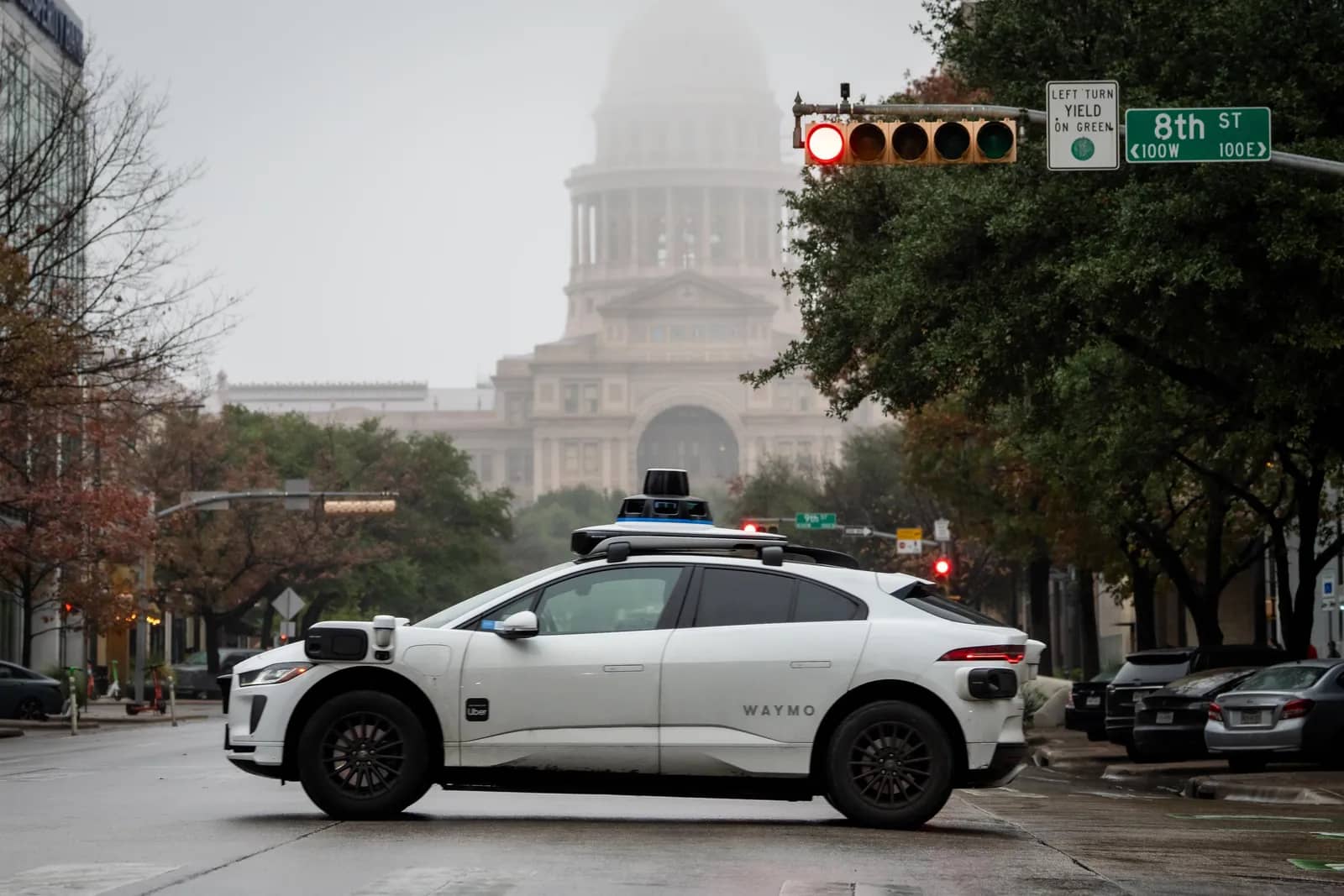
Waymo is recalling autonomous driving software after an unoccupied robotaxi proceeded at reduced speed through a flooded roadway, impacting approximately 3,791 vehicles on its fifth and sixth generation systems. The action marks the first recall for the sixth-generation technology as the company prepares to expand into East Coast cities with more extreme weather.
Source:The Verge
Post
Waymo Recalls Software After Robotaxi Drives on Flooded Road
TL;DRAI · 60 sec read

Waymo recalls autonomous driving software for 3,791 fifth- and sixth-generation vehicles after an unoccupied robotaxi drives through a flooded road despite detecting it. The company updates weather constraints and maps as an interim fix. The incident highlights extreme weather risks as Waymo expands to East Coast cities like Boston and New York.

Waymo has initiated a recall of its self-driving software after one of its unoccupied robotaxis drove through a section of flooded road. The action targets approximately 3,791 vehicles running the company's fifth- and sixth-generation systems.

Documents submitted to the National Highway Traffic Safety Administration report that the vehicle detected the hazard on a roadway posted for 40 mph but still "proceeded at reduced speed." The Alphabet subsidiary stated it is developing a permanent fix. Until then, it has pushed an over-the-air update "to increase weather-related constraints and updated the vehicles maps."

No injuries occurred during the episode. The event underscores challenges that autonomous-vehicle operators face when road conditions change because of severe weather. During its initial years, Waymo limited commercial operations to warmer, drier markets such as Phoenix, Los Angeles, Atlanta and Austin.
From The CircuitryThe Feed — live briefs across tech, all day.See what’s happening →
The company is now preparing to enter several East Coast cities, including Boston, New York City and Washington, DC. Its capacity to manage harsher weather is therefore expected to face a decisive test.

This marks the first recall for the sixth-generation platform, which debuted earlier this year for "high volume production." The existing Jaguar I-Pace fleet relies on fifth-generation hardware and software introduced in March 2020. That earlier version has undergone five prior recalls, among them incidents involving passing stopped school buses and striking stationary objects.
Engineers designed the sixth-generation stack to operate across different vehicle platforms, beginning with the Zeekr RT minivan that the company rebranded as Ojai and continuing with the Hyundai Ioniq 5. Waymo is reportedly negotiating with additional manufacturers, including Toyota, for future integrations.
Why this mattersAI · ~100 words

Tap a lens to see what this story means for you.

Reader-supported
DonateBuy me a coffee →Follow@thecircuitry_ →Follow@thecircuitry.to →

Reader-supported · The Brief

Liked this? The Brief brings you the whole day in tech, verified, every morning. Two minutes, free forever.

HELP US IMPROVE
From The Circuitry

See what’s happening right now

The Feed runs all day — short, verified briefs the moment they break.

Open the Feed →
From The Circuitry

Follow @thecircuitry_

Every story we publish, as it happens. No noise between.

Follow on X ↗On Bluesky ↗

Reader-supported

The Circuitry is a passion project I've always wanted to build, and I love the work behind it.

Running it costs real money. APIs, hosting, time. To keep improving the site and growing this into something useful for everyone, those costs have to be covered.

Any contribution is appreciated. If not, no pressure. Thanks for reading.

Buy me a coffee
WaymoAutonomous VehiclesRobotaxiRecall
More fromThe Verge
  • EU slaps Alphabet with €890 million fine over Google Search favoritism and Play Store restrictions

    Tech · 16d
  • AMD to invest up to $5B in Anthropic

    Tech · 16d
  • Judge pauses Paramount-Warner Bros Discovery merger

    Tech · 18d
More inTech
  • Tesla and SpaceX confirm Terafab chip fab in Texas

    Tech · 1d
  • OpenAI Urges Federal Judge to Throw Out Apple's Trade Secrets Complaint

    Tech · 2d
  • Meta introduces Muse Code, its terminal-based coding agent

    Tech · 2d
SupportThe Work

The Circuitry is reader-supported. If you find the daily brief useful, you can buy me a coffee to keep it going.

Buy a coffee →
SubscribeCircuitry Brief

Liked this? The Brief brings you the whole day in tech, verified, every morning. Free forever.

MORE IN TECH

Tesla and SpaceX confirm Terafab chip fab in Texas

Tesla and SpaceX have confirmed Grimes County, Texas as the site for their Terafab semiconductor megafactory, with the first phase costing roughly $16.8 billion. The project targets the largest chip manufacturing facility on the planet to supply over 1 terawatt of compute per year that exceeds current and future global production capacity.

OpenAI Urges Federal Judge to Throw Out Apple's Trade Secrets Complaint

OpenAI has filed a motion asking a federal judge to dismiss Apple's trade secrets lawsuit, describing the claims as meritless. The dispute, which follows a July suit and this week's injunction request from Apple, highlights tensions after their prior partnership on Siri and OpenAI's hardware push.

Meta introduces Muse Code, its terminal-based coding agent

Meta has released an early beta of Muse Code, a terminal-based coding agent driven by the updated Muse Spark 1.2 model and positioned against Anthropic's Claude Code and OpenAI's Codex. Substantially lower rates, including a contributor plan at $0.10 for every million tokens received, may encourage migration away from higher-priced options such as Anthropic's Sonnet 5.