Some Pixel users cannot get the keyboard to appear when replying to emails in the Gmail app despite visible AI suggestions. The bug emerged in the last 24 hours on Pixel devices only and Google has not yet acknowledged it.
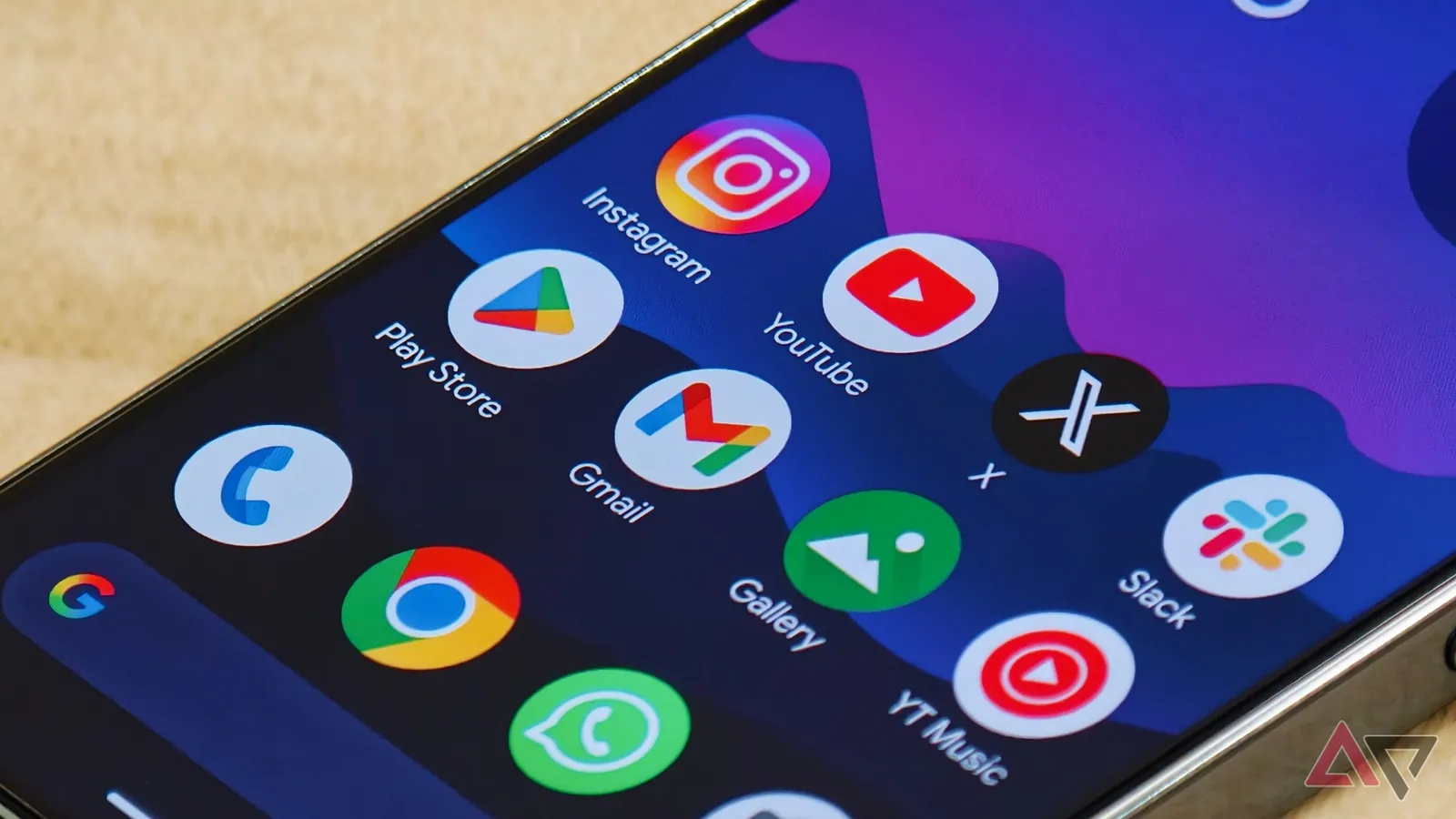
Complaints point to an error inside the Gmail app itself rather than the underlying operating system.
Google has not publicly recognized the defect despite Gmail being one of its flagship Android services.
Tap a lens to see what this story means for you.
Liked this? The Brief brings you the whole day in tech, verified, every morning.
Two minutes, free forever. What's in The Brief →
See what’s happening right now
The Feed runs all day — short, verified briefs the moment they break.
Open the FeedFollow @thecircuitry_
Every story we publish, as it happens. No noise between.
Reader-supported
The Circuitry is a passion project I've always wanted to build, and I love the work behind it.
Running it costs real money. APIs, hosting, time. To keep improving the site and growing this into something useful for everyone, those costs have to be covered.
Any contribution is appreciated. If not, no pressure. Thanks for reading.
Google introduced the Pixel 11 series built around its most agentic Gemini Intelligence, weeks ahead of Apple's revamped Siri that will also rely on the same models. Devices chief Rick Osterloh told CNBC that Pixel and iPhone are heading in very different directions as Google highlights Android-exclusive AI capabilities.
Aptoide is now the first third-party app store available for download directly inside Google Play in the US, following remedies from Epic's 2023 antitrust win against Google. The change eliminates sideloading warnings and gives users easier access to rival storefronts with up to 1.9 million apps and 295,000 games.
Amazon launched three new Alexa Tablets running full Android with Google Play Store access and prices starting at $229.99. The move targets higher-end buyers with aluminum designs and Alexa+ AI while ending reliance on the limited Fire OS app store.
Google DeepMind, Meta, and Isomorphic Labs are investing $300 million in Biohub to build AI datasets for a virtual cell model. The funding is part of a $1.8 billion initiative that also includes contributions from the Department of Energy and National Institutes of Health.
A weekly tech recap highlighted Meta's GDPR data exports enabling an investigation, early Xiaomi 18 Pro benchmarks, a broad PS5 browser exploit, Google's Gemini 4 Argon claims, and OpenAI's persistent agents. The items show continued movement in device security, mobile hardware, and AI tooling.