Meta introduced its first own-brand smart glasses with the $299 Adventurer and Fury plus a $399 Starfire model created with Kylie Jenner. The release targets expansion of the company's camera-equipped lineup before Apple's anticipated 2027 debut.
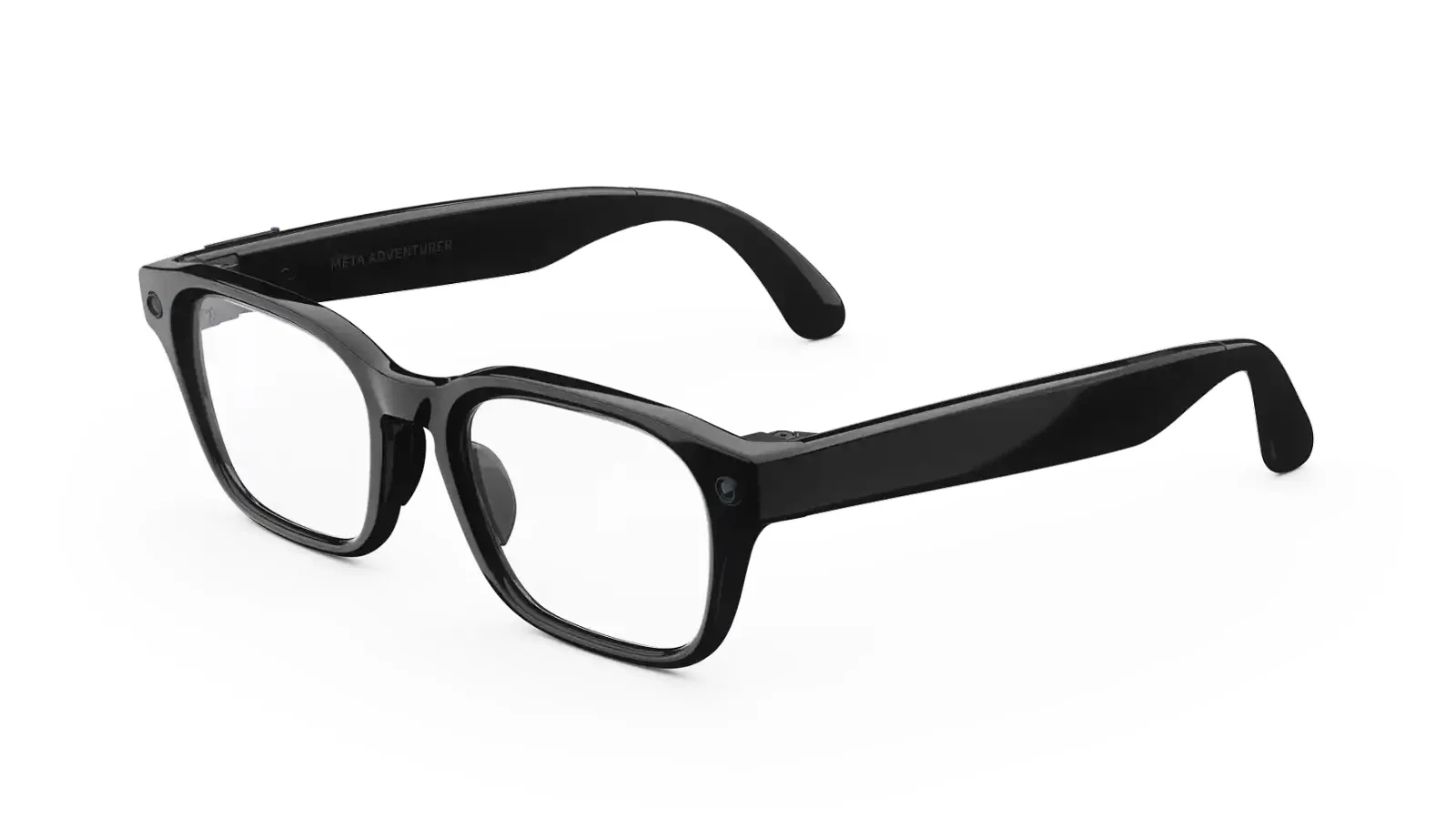
Meta said it explored facial recognition but ultimately decided against including the feature.
The firm described Apple as "formidable" ahead of the iPhone maker's own glasses launch.
Tap a lens to see what this story means for you.
Liked this? The Brief brings you the whole day in tech, verified, every morning.
Two minutes, free forever. What's in The Brief →
See what’s happening right now
The Feed runs all day — short, verified briefs the moment they break.
Open the FeedFollow @thecircuitry_
Every story we publish, as it happens. No noise between.
Reader-supported
The Circuitry is a passion project I've always wanted to build, and I love the work behind it.
Running it costs real money. APIs, hosting, time. To keep improving the site and growing this into something useful for everyone, those costs have to be covered.
Any contribution is appreciated. If not, no pressure. Thanks for reading.
Meta Connect 2026 has begun, with Mark Zuckerberg’s keynote set for 7PM ET on September 23. The event is expected to highlight AI, smart glasses, and possible privacy-focused hardware amid ongoing camera concerns.
Meta announced FDA-cleared Hearing Enhancement for supported Meta AI glasses at Connect 2026. The feature targets mild to moderate hearing loss with at-home setup, ships later in 2026 via Meta One or a $149.99 purchase, and excludes Ray-Ban models at launch.
Meta and Microsoft are cutting employee use of Anthropic’s Claude AI and directing staff toward their own coding tools, The Information reported. The changes reflect tighter internal AI budgets while customer access to Claude through Microsoft platforms continues to expand.
Google DeepMind, Meta, and Isomorphic Labs are investing $300 million in Biohub to build AI datasets for a virtual cell model. The funding is part of a $1.8 billion initiative that also includes contributions from the Department of Energy and National Institutes of Health.
Amazon delivery drivers will reportedly soon wear smart glasses that capture several thousand photos per shift for upload to an AI platform. Customers will have no opt-out, viewing, or deletion rights over the images.