The Circuitry
THE CIRCUITRYYour one-stop source for all tech news
HOMETODAYNEWSFEEDEVENTS
BOOKMARKS
RSS
© 2026 The Circuitry
About UsSourcesContactCorrectionsPrivacy
  • Today
  • Feed
  • Events
  • Saved
Scroll for more
Verification
VERIFIEDConfidence: HIGH
Source identified
Claims cross-referenced
No discrepancies found
Fact-check summary

Microsoft's official Windows ESU pages confirm free consumer Extended Security Updates for Windows 10 now run through October 12, 2027, matching the core claim reported by Frandroid.

Sourcing
1source

via Frandroid

Frandroid · track record
44Stories
100%Verified
530d
All sources →
Markets
MSFT···

Live quote · not investment advice

Home/Tech/Microsoft extends free Windows 10 security updates to 2027
VERIFIEDBy Xavier Rivera· ·1.5 min read

Microsoft extends free Windows 10 security updates to 2027

Microsoft has extended free Windows 10 Extended Security Updates for personal devices by one year to October 12, 2027. The move gives users more time to transition amid hardware shortages and draws mixed reactions from consumer groups who say it comes too late.
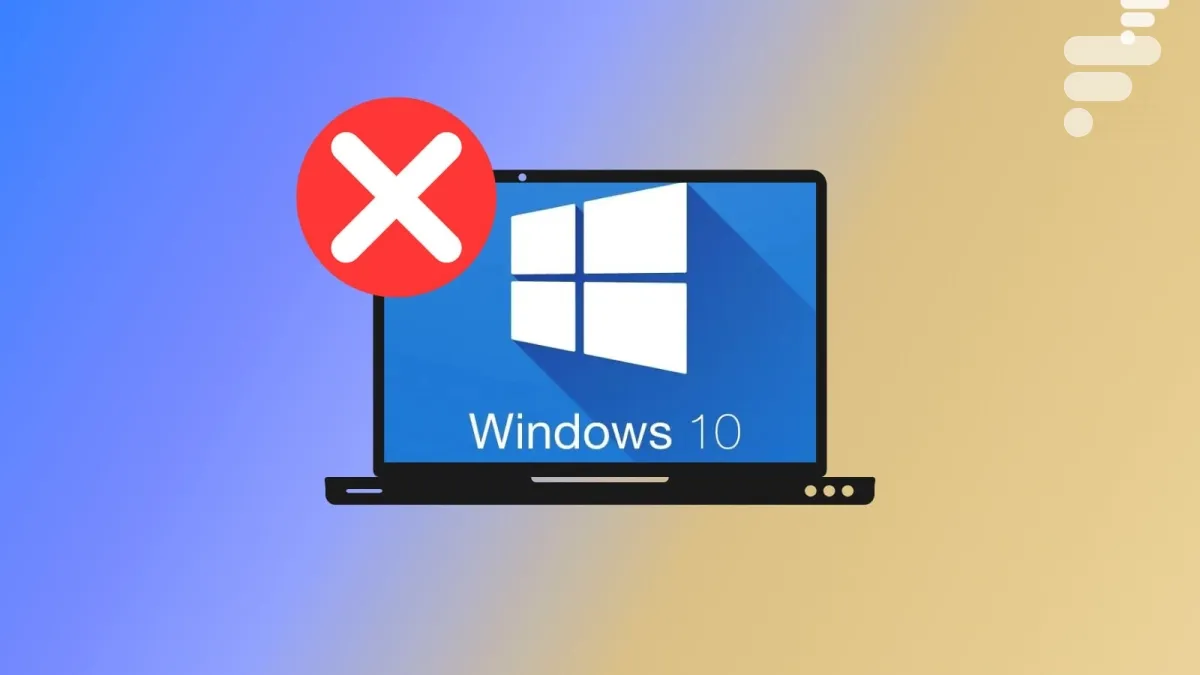
Source:Frandroid
Post
Microsoft extends free Windows 10 security updates to 2027
TL;DRAI · 60 sec read

Microsoft extends free Extended Security Updates for Windows 10 personal devices to October 2027. The move adds a year to the previous 2026 end date because of PC market shortages and user transition needs. Enrolled consumers get automatic coverage, but associations say the timing is too late as many already upgraded hardware.

Microsoft has extended its free Extended Security Updates program for Windows 10 personal devices by one year, pushing coverage to October 12, 2027.

Microsoft formalizes the extension for consumers. The company announced the additional year of free security updates for individuals on its website. This follows the original end of support for Windows 10 in October 2025 and an initial free ESU period secured through October 2026 due to European regulations and consumer association pressure.
The extension reflects an ongoing commitment to help customers remain protected while they find a PC that suits their needs.

Users already enrolled in the ESU program receive automatic extension at no extra cost. Free access remains limited to personal devices while businesses continue to pay for coverage of their fleets.

The company cites transition challenges for users. In its statement Microsoft said it understands that transitioning to a new PC can take time. The extension reflects an ongoing commitment to help customers remain protected while they find a PC that suits their needs.
From The CircuitryThe Feed — live briefs across tech, all day.See what’s happening →

Hardware market conditions influence the decision. The announcement arrives amid a RAM and memory shortage affecting the PC market. This shortage has slowed the hardware refresh that Microsoft sought, as users delay purchases in hopes that prices will become acceptable again in the coming year.
HOP maintains that Microsoft should provide free security updates until 2030.

Consumer associations welcome but criticize timing. Groups such as HOP, which demonstrated in front of Microsoft offices last autumn, view the news positively yet call it too late. Many users have already purchased new hardware ahead of the original October 2026 deadline, reducing the extension's impact.
HOP maintains that Microsoft should provide free security updates until 2030. The association argues that legislation should mandate fifteen years of free security updates on all computers.
Why this mattersAI · ~100 words

Tap a lens to see what this story means for you.

Reader-supported
DonateBuy me a coffee →Follow@thecircuitry_ →Follow@thecircuitry.to →

Reader-supported · The Brief

Liked this? The Brief brings you the whole day in tech, verified, every morning. Two minutes, free forever.

HELP US IMPROVE
From The Circuitry

See what’s happening right now

The Feed runs all day — short, verified briefs the moment they break.

Open the Feed →
From The Circuitry

Follow @thecircuitry_

Every story we publish, as it happens. No noise between.

Follow on X ↗On Bluesky ↗

Reader-supported

The Circuitry is a passion project I've always wanted to build, and I love the work behind it.

Running it costs real money. APIs, hosting, time. To keep improving the site and growing this into something useful for everyone, those costs have to be covered.

Any contribution is appreciated. If not, no pressure. Thanks for reading.

Buy me a coffee
Windows 10MicrosoftSecurity UpdatesESU
More fromFrandroid
  • Samsung Hosts Galaxy Unpacked Event July 22, 2026

    Tech · 17d
  • Microsoft Halts July 2026 Windows 11 Update Rollout on Select Dell Machines

    Tech · 24d
  • UN Adopts First Global Rules for Driverless Cars

    Tech · 24d
More inTech
  • Tesla and SpaceX confirm Terafab chip fab in Texas

    Tech · 1d
  • OpenAI Urges Federal Judge to Throw Out Apple's Trade Secrets Complaint

    Tech · 2d
  • Meta introduces Muse Code, its terminal-based coding agent

    Tech · 2d
SupportThe Work

The Circuitry is reader-supported. If you find the daily brief useful, you can buy me a coffee to keep it going.

Buy a coffee →
SubscribeCircuitry Brief

Liked this? The Brief brings you the whole day in tech, verified, every morning. Free forever.

MORE IN TECH

Tesla and SpaceX confirm Terafab chip fab in Texas

Tesla and SpaceX have confirmed Grimes County, Texas as the site for their Terafab semiconductor megafactory, with the first phase costing roughly $16.8 billion. The project targets the largest chip manufacturing facility on the planet to supply over 1 terawatt of compute per year that exceeds current and future global production capacity.

OpenAI Urges Federal Judge to Throw Out Apple's Trade Secrets Complaint

OpenAI has filed a motion asking a federal judge to dismiss Apple's trade secrets lawsuit, describing the claims as meritless. The dispute, which follows a July suit and this week's injunction request from Apple, highlights tensions after their prior partnership on Siri and OpenAI's hardware push.

Meta introduces Muse Code, its terminal-based coding agent

Meta has released an early beta of Muse Code, a terminal-based coding agent driven by the updated Muse Spark 1.2 model and positioned against Anthropic's Claude Code and OpenAI's Codex. Substantially lower rates, including a contributor plan at $0.10 for every million tokens received, may encourage migration away from higher-priced options such as Anthropic's Sonnet 5.