The Circuitry
THE CIRCUITRYYour one-stop source for all tech news
HOMETODAYNEWSFEEDEVENTS
BOOKMARKS
RSS
© 2026 The Circuitry
About UsSourcesContactCorrectionsPrivacy
  • Today
  • Feed
  • Events
  • Saved
Scroll for more
Verification
VERIFIEDConfidence: HIGH
Source identified
Claims cross-referenced
No discrepancies found
Sourcing
1source

via Frandroid

Frandroid · track record
44Stories
100%Verified
530d
All sources →
Home/Tech/PCIe 8.0 Specification Details 1 TB/s Speeds for Future GPUs
VERIFIEDBy Xavier Rivera· ·1.5 min read

PCIe 8.0 Specification Details 1 TB/s Speeds for Future GPUs

PCI-SIG releases PCIe 8.0 draft 0.5 targeting 256 GT/s and 1 TB/s bidirectional x16 bandwidth. The specification is slated for 2028 ratification with consumer adoption expected around 2031.
Source:Frandroid
Post
PCIe 8.0 Specification Details 1 TB/s Speeds for Future GPUs
The PCI-SIG has outlined the first full draft of the PCIe 8.0 specification, setting a target of 256 GT/s raw bit rate that delivers up to 1 TB/s of bidirectional bandwidth in an x16 configuration. The organization released the draft version 0.5, which locks in key architectural elements including electrical, logical, compliance, and software aspects while leaving some parameters open for further refinement. This marks the initial milestone after the PCIe 7.0 specification was finalized last year.

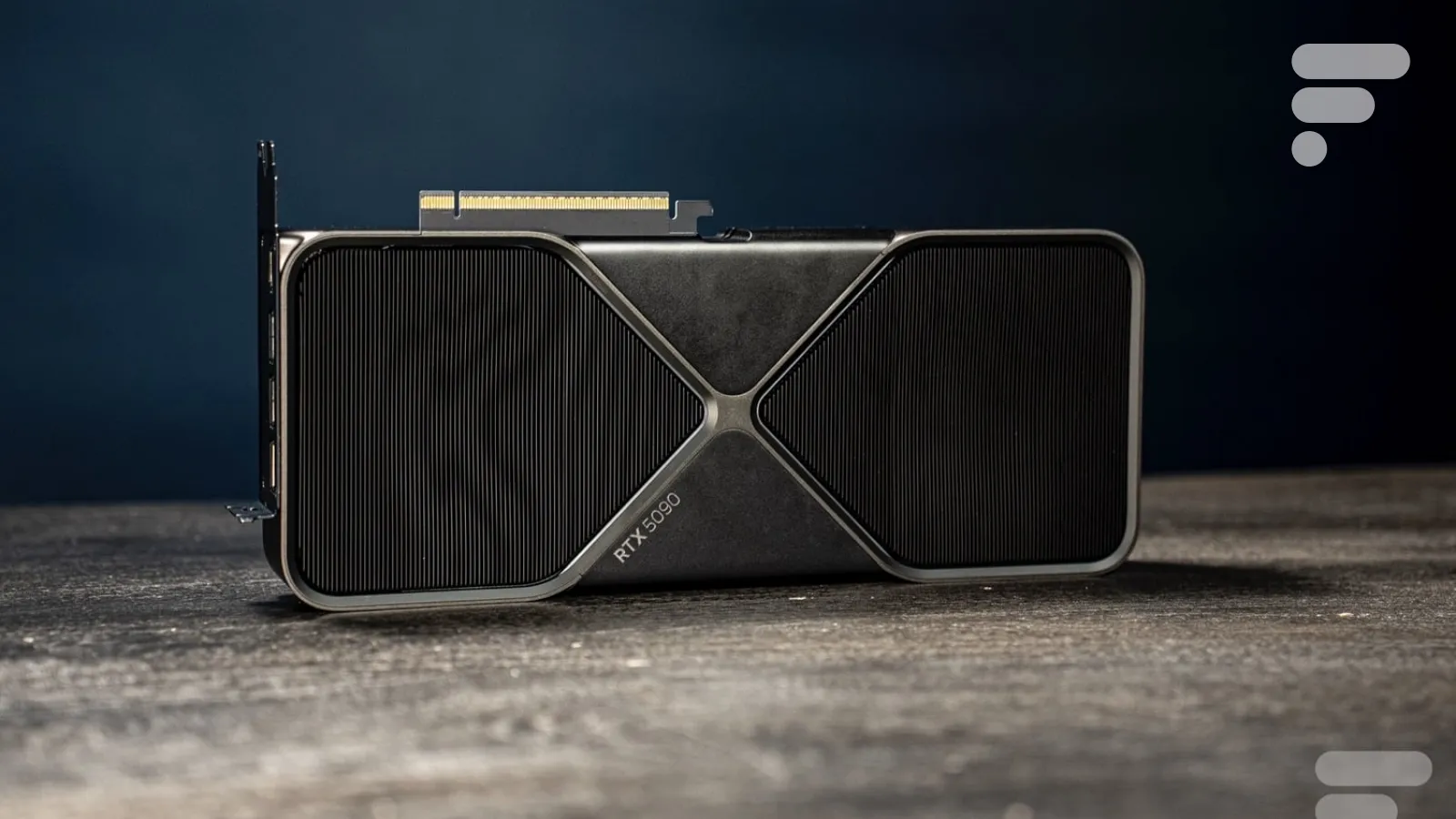
Current high-end graphics cards such as the RTX 5090 operate on PCIe 5.0, which provides 128 GB/s of bidirectional bandwidth over x16 lanes. PCIe 6.0, already seeing adoption in SSDs since early 2025, doubles that figure to 256 GB/s and is expected to appear in upcoming Nvidia and AMD graphics cards. The jump to PCIe 8.0 would therefore represent another doubling, pushing performance far beyond present-day limits for data-intensive tasks.
From The CircuitryThe Feed — live briefs across tech, all day.See what’s happening →
According to the draft, final ratification of the complete PCIe 8.0 specification is scheduled for 2028. Widespread deployment in personal computers, game consoles, and smartphones is projected around 2031 or later, aligning with the typical multi-year cycle for new interconnect standards to reach consumer hardware. The specification continues to emphasize backward compatibility with earlier generations.

The PCI-SIG presented these details during a recent briefing that also highlighted ongoing evaluation of new connector technology to support the increased speeds. Electrical parameters remain subject to adjustment as the specification progresses toward full release. Frandroid reported the announcement based on coverage from Tom's Hardware.
Industry observers note that such bandwidth increases are driven by demands from AI workloads and high-performance computing, where higher throughput between processors, accelerators, and storage becomes essential. The draft maintains the use of PAM4 signaling and forward error correction introduced in prior generations while introducing protocol enhancements aimed at efficiency.
Why this mattersAI · ~100 words

Tap a lens to see what this story means for you.

Reader-supported
DonateBuy me a coffee →Follow@thecircuitry_ →Follow@thecircuitry.to →

Reader-supported · The Brief

Liked this? The Brief brings you the whole day in tech, verified, every morning. Two minutes, free forever.

HELP US IMPROVE
From The Circuitry

See what’s happening right now

The Feed runs all day — short, verified briefs the moment they break.

Open the Feed →
From The Circuitry

Follow @thecircuitry_

Every story we publish, as it happens. No noise between.

Follow on X ↗On Bluesky ↗

Reader-supported

The Circuitry is a passion project I've always wanted to build, and I love the work behind it.

Running it costs real money. APIs, hosting, time. To keep improving the site and growing this into something useful for everyone, those costs have to be covered.

Any contribution is appreciated. If not, no pressure. Thanks for reading.

Buy me a coffee
More fromFrandroid
  • Samsung Hosts Galaxy Unpacked Event July 22, 2026

    Tech · 17d
  • Microsoft Halts July 2026 Windows 11 Update Rollout on Select Dell Machines

    Tech · 24d
  • UN Adopts First Global Rules for Driverless Cars

    Tech · 24d
More inTech
  • Tesla and SpaceX confirm Terafab chip fab in Texas

    Tech · 1d
  • OpenAI Urges Federal Judge to Throw Out Apple's Trade Secrets Complaint

    Tech · 2d
  • Meta introduces Muse Code, its terminal-based coding agent

    Tech · 2d
SupportThe Work

The Circuitry is reader-supported. If you find the daily brief useful, you can buy me a coffee to keep it going.

Buy a coffee →
SubscribeCircuitry Brief

Liked this? The Brief brings you the whole day in tech, verified, every morning. Free forever.

MORE IN TECH

Tesla and SpaceX confirm Terafab chip fab in Texas

Tesla and SpaceX have confirmed Grimes County, Texas as the site for their Terafab semiconductor megafactory, with the first phase costing roughly $16.8 billion. The project targets the largest chip manufacturing facility on the planet to supply over 1 terawatt of compute per year that exceeds current and future global production capacity.

OpenAI Urges Federal Judge to Throw Out Apple's Trade Secrets Complaint

OpenAI has filed a motion asking a federal judge to dismiss Apple's trade secrets lawsuit, describing the claims as meritless. The dispute, which follows a July suit and this week's injunction request from Apple, highlights tensions after their prior partnership on Siri and OpenAI's hardware push.

Meta introduces Muse Code, its terminal-based coding agent

Meta has released an early beta of Muse Code, a terminal-based coding agent driven by the updated Muse Spark 1.2 model and positioned against Anthropic's Claude Code and OpenAI's Codex. Substantially lower rates, including a contributor plan at $0.10 for every million tokens received, may encourage migration away from higher-priced options such as Anthropic's Sonnet 5.