SpaceX plans to attempt catching its Starship spacecraft with mechanical tower arms on the next test flight following a successful ocean landing on Flight 13. The milestone would advance the vehicle's reusability after demonstrating satellite deployment and an in-flight engine restart.
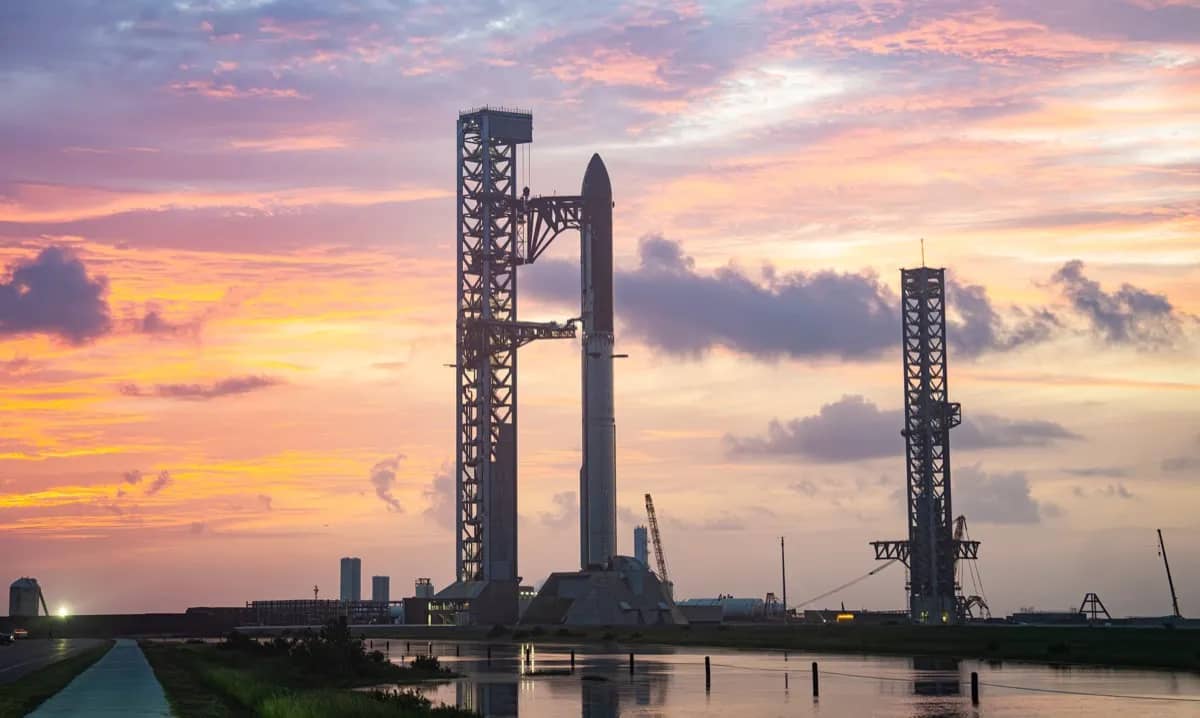
SpaceX has already caught the Super Heavy booster with the tower arms.
The booster is larger and heavier than Starship but returns at a fraction of the speed.
Tap a lens to see what this story means for you.
Liked this? The Brief brings you the whole day in tech, verified, every morning.
Two minutes, free forever. What's in The Brief →
See what’s happening right now
The Feed runs all day — short, verified briefs the moment they break.
Open the FeedFollow @thecircuitry_
Every story we publish, as it happens. No noise between.
Reader-supported
The Circuitry is a passion project I've always wanted to build, and I love the work behind it.
Running it costs real money. APIs, hosting, time. To keep improving the site and growing this into something useful for everyone, those costs have to be covered.
Any contribution is appreciated. If not, no pressure. Thanks for reading.
SpaceX Starship reached orbit for the first time on its 14th test flight from Texas on September 28 despite an early engine shutdown. The vehicle is expected to complete six orbits over 10 hours and deploy 26 Starlink V3 satellites before Pacific splashdown.
SpaceX has delayed the first orbital Starship flight from September 22 to September 28 pending regulatory approval. The mission will attempt to place 26 V3 Starlink satellites into a 275 km orbit and marks a key milestone after the program's initial test flight in 2023.
SpaceX completed a static fire of Booster 20 on July 10, clearing the path for Starship's 13th test flight as early as July 15. The test continues development of the Version 3 vehicle toward full operational capability including stage recovery and reuse.
SpaceX has agreed to acquire Grain Management's nationwide 800 MHz spectrum portfolio, which it says will pave the way for Starlink Mobile to become a major US mobile carrier. The deal needs FCC approval, and financial terms were not disclosed.
SpaceX is seeking $40 billion in debt financing led by Apollo Global Management to buy Nvidia AI chips, with talks still early and a possible 2027 close. The move highlights the scale of capital required for AI infrastructure expansion across Musk's companies.