The Circuitry
THE CIRCUITRYYour one-stop source for all tech news
HOMETODAYNEWSFEEDEVENTS
BOOKMARKS
RSS
© 2026 The Circuitry
About UsSourcesContactCorrectionsPrivacy
  • Today
  • Feed
  • Events
  • Saved
Scroll for more
Verification
VERIFIEDConfidence: HIGH
Source identified
Claims cross-referenced
No discrepancies found
Sourcing
1source

via Teslarati

Teslarati · track record
14Stories
100%Verified
030d
All sources →
Markets
TSLA···

Live quote · not investment advice

Home/Tech/Tesla Recalls 218,868 Vehicles Over Rearview Camera Glitch
VERIFIEDBy Xavier Rivera· ·1.5 min read

Tesla Recalls 218,868 Vehicles Over Rearview Camera Glitch

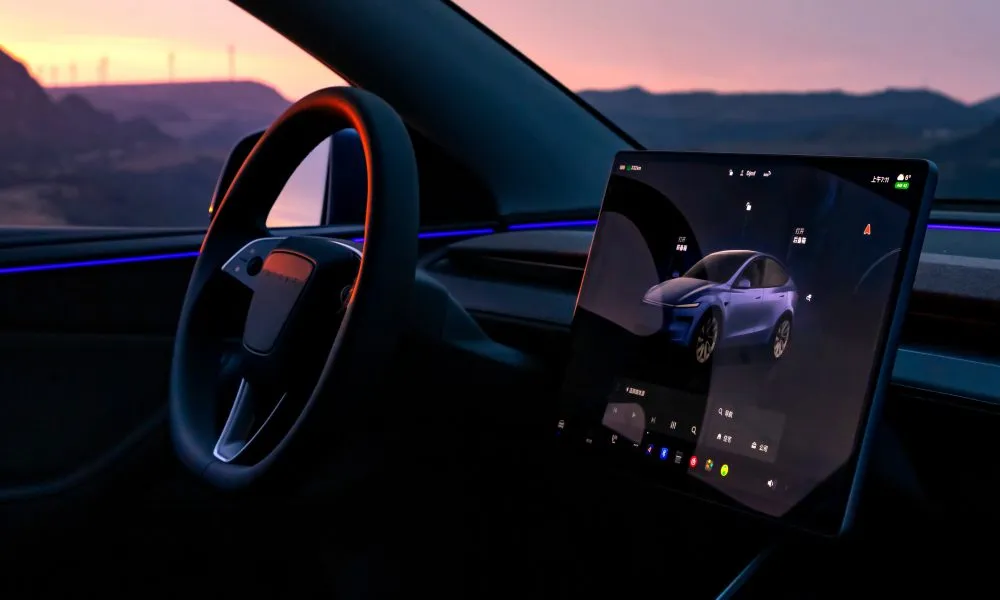
Tesla is recalling 218,868 vehicles due to a rearview camera software delay fixed by an over-the-air update. The rapid remote resolution highlights how software-defined cars are changing traditional recall processes.
Source:Teslarati
Post
Tesla Recalls 218,868 Vehicles Over Rearview Camera Glitch
TL;DRAI · 60 sec read

Tesla recalls 218,868 U.S. vehicles for a software glitch delaying rearview camera images up to 11 seconds when shifting to reverse. The issue affects certain 2023-2025 Model S, X and 2024-2025 Model 3, Y vehicles, violating federal rear visibility standards and increasing crash risk. Tesla deploys an over-the-air fix, updating 99.92% of the fleet before the NHTSA notice. No crashes reported.

Tesla is recalling 218,868 U.S. vehicles after regulators identified a software glitch that can delay the rearview camera image by up to 11 seconds when drivers shift into reverse. The affected models include certain 2024-2025 Model 3 and Model Y vehicles, along with 2023-2025 Model S and Model X vehicles running software version 2026.8.6 and equipped with Hardware 3 computers.

The National Highway Traffic Safety Administration determined the lag violates Federal Motor Vehicle Safety Standard 111 on rear visibility and could increase crash risk. Tesla identified the issue on April 10, halted further deployment of the faulty firmware the same day, and began pushing a corrective over-the-air software update on April 11.

Owners do not need to visit a service center or wait for parts. The fix arrives wirelessly through the existing software system. By the time the NHTSA posted the recall notice on May 6, more than 99.92 percent of the affected fleet had already received the update.

Tesla reports no crashes, injuries, or fatalities linked to the glitch. The company is addressing the recall entirely through remote software changes rather than physical repairs.
From The CircuitryThe Feed — live briefs across tech, all day.See what’s happening →

The episode has renewed discussion about regulatory terminology for software-defined vehicles. Tesla fans have called for an update to the term "recall," arguing it no longer fits when fixes arrive wirelessly in minutes. The NHTSA has not indicated it plans to change its language.

Elon Musk has previously stated that the terminology is outdated and inaccurate for over-the-air software updates. He noted that such fixes involve no injuries and do not require the same process as traditional hardware recalls.
Tesla's approach shows how problems that once required dealer visits can now be resolved remotely before most owners notice an issue. The company completed the corrective update across nearly the entire affected fleet within weeks of discovery.
Why this mattersAI · ~100 words

Tap a lens to see what this story means for you.

Reader-supported
DonateBuy me a coffee →Follow@thecircuitry_ →Follow@thecircuitry.to →

Reader-supported · The Brief

Liked this? The Brief brings you the whole day in tech, verified, every morning. Two minutes, free forever.

HELP US IMPROVE
From The Circuitry

See what’s happening right now

The Feed runs all day — short, verified briefs the moment they break.

Open the Feed →
From The Circuitry

Follow @thecircuitry_

Every story we publish, as it happens. No noise between.

Follow on X ↗On Bluesky ↗

Reader-supported

The Circuitry is a passion project I've always wanted to build, and I love the work behind it.

Running it costs real money. APIs, hosting, time. To keep improving the site and growing this into something useful for everyone, those costs have to be covered.

Any contribution is appreciated. If not, no pressure. Thanks for reading.

Buy me a coffee
TeslaRecallSoftware UpdateNHTSA
More fromTeslarati
  • Tesla Expands Unsupervised Robotaxi to Full Austin Metro

    Tech · 2mo
  • Tesla Authorized for Commercial Driverless Operations in Texas

    Tech · 2mo
  • NASA Adds Six More Missions to SpaceX Crew Contract

    Tech · 2mo
More inTech
  • Tesla and SpaceX confirm Terafab chip fab in Texas

    Tech · 1d
  • OpenAI Urges Federal Judge to Throw Out Apple's Trade Secrets Complaint

    Tech · 2d
  • Meta introduces Muse Code, its terminal-based coding agent

    Tech · 2d
SupportThe Work

The Circuitry is reader-supported. If you find the daily brief useful, you can buy me a coffee to keep it going.

Buy a coffee →
SubscribeCircuitry Brief

Liked this? The Brief brings you the whole day in tech, verified, every morning. Free forever.

MORE IN TECH

Tesla and SpaceX confirm Terafab chip fab in Texas

Tesla and SpaceX have confirmed Grimes County, Texas as the site for their Terafab semiconductor megafactory, with the first phase costing roughly $16.8 billion. The project targets the largest chip manufacturing facility on the planet to supply over 1 terawatt of compute per year that exceeds current and future global production capacity.

OpenAI Urges Federal Judge to Throw Out Apple's Trade Secrets Complaint

OpenAI has filed a motion asking a federal judge to dismiss Apple's trade secrets lawsuit, describing the claims as meritless. The dispute, which follows a July suit and this week's injunction request from Apple, highlights tensions after their prior partnership on Siri and OpenAI's hardware push.

Meta introduces Muse Code, its terminal-based coding agent

Meta has released an early beta of Muse Code, a terminal-based coding agent driven by the updated Muse Spark 1.2 model and positioned against Anthropic's Claude Code and OpenAI's Codex. Substantially lower rates, including a contributor plan at $0.10 for every million tokens received, may encourage migration away from higher-priced options such as Anthropic's Sonnet 5.