The Circuitry
THE CIRCUITRYYour one-stop source for all tech news
HOMETODAYNEWSFEEDEVENTS
BOOKMARKS
RSS
© 2026 The Circuitry
About UsSourcesContactCorrectionsPrivacy
  • Today
  • Feed
  • Events
  • Saved
Scroll for more
Verification
VERIFIEDConfidence: HIGH
Source identified
Claims cross-referenced
No discrepancies found
Fact-check summary

TechCrunch, InsideEVs, Business Insider and others confirm Waymo's Ojai (Zeekr RT) 6th-gen robotaxi rollout, sensor reductions, Geely partnership and recent freeway/flood incidents.

2 caveats
  • ▲Specific claim of immediate select non-employee passenger rides in SF/LA/Phoenix not yet corroborated in other reports (employee testing noted earlier).
  • ▲Provided Verge URL does not match published articles.
Sourcing
1source

via The Verge

The Verge · track record
89Stories
100%Verified
730d
All sources →
Home/Tech/Waymo Opens New Ojai Robotaxi to Select Passengers
VERIFIEDBy Xavier Rivera· ·2.5 min read

Waymo Opens New Ojai Robotaxi to Select Passengers

Waymo is beginning passenger rides in its new Ojai robotaxi, a rebranded Zeekr minivan, for select riders in San Francisco, Los Angeles, and Phoenix with free trips initially. The rollout introduces the company's sixth-generation autonomous technology in a more accessible, lower-cost vehicle following recent safety recalls and operational pauses.
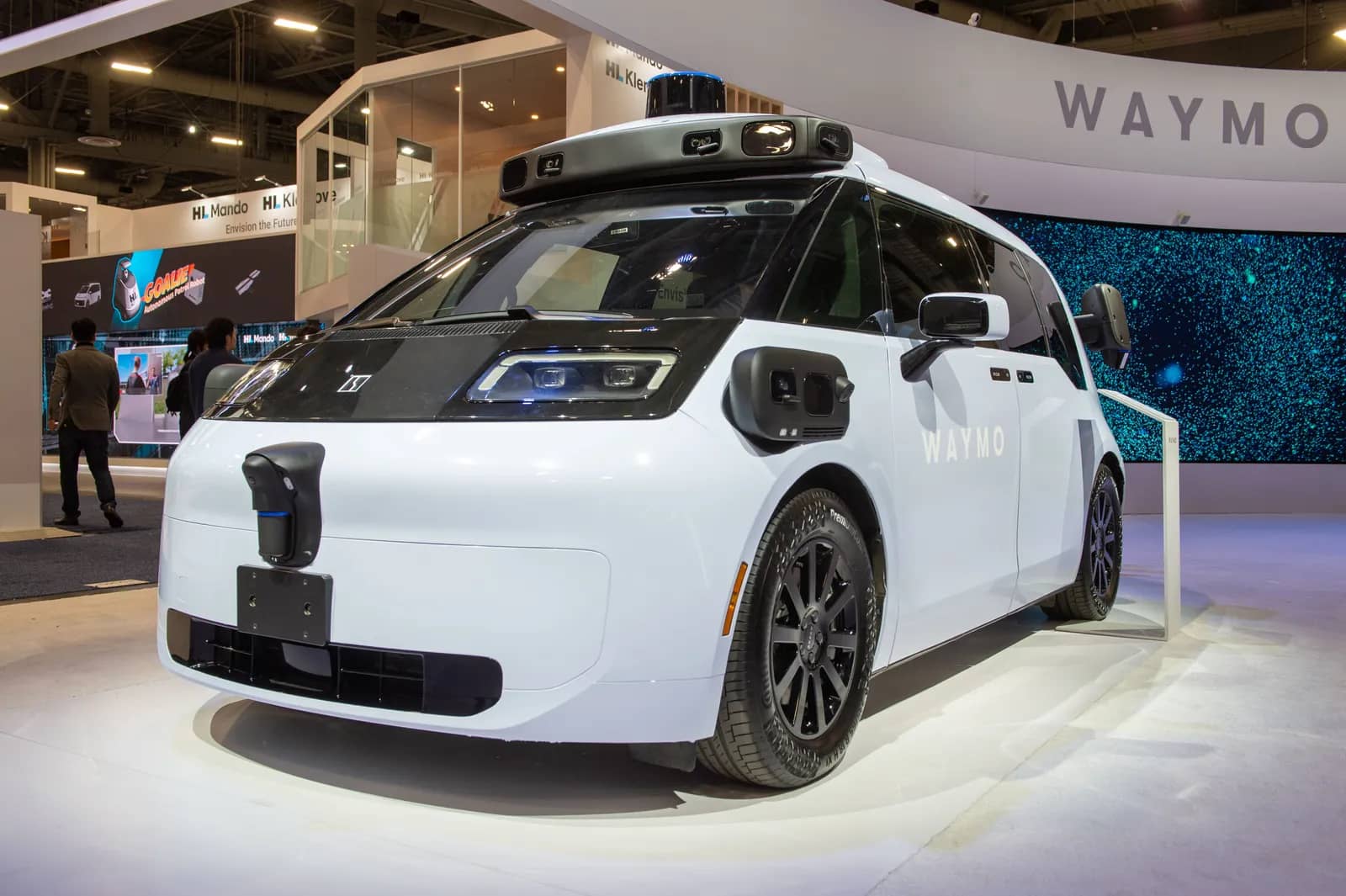
Source:The Verge
Post
Waymo Opens New Ojai Robotaxi to Select Passengers
TL;DRAI · 60 sec read

Waymo opens its new Ojai robotaxi to select passengers in San Francisco, Los Angeles, and Phoenix. The Zeekr minivan brings sixth-generation autonomous tech with fewer sensors, better accessibility, and lower costs. Rides begin free before paid service expands. This follows recent safety problems that prompted a fleet-wide software recall and suspended freeway driving.

Waymo is inviting non-employee passengers into its newest vehicle after several months of testing. The Zeekr RT minivan, rebranded as the Ojai, will initially be available to “select riders” in San Francisco, Los Angeles, and Phoenix. The company plans to gradually expand access to more riders and cities. Trips will be free at the start while Waymo collects data about the passenger experience, with paid rides to follow.

The Ojai is made by China’s Zeekr and uses fewer sensors than the company’s Jaguar I-Pace robotaxis. It represents the debut of Waymo’s sixth-generation technology. The current fleet of Jaguar I-Pace vehicles runs on the company’s fifth-generation technology, first rolled out in March 2020. Jaguar discontinued that model at the end of 2024. The Ojai will be followed by the Hyundai Ioniq 5, and Waymo is partnering with Toyota for future models.
Waymo describes its sixth-generation system as the smartest and most capable autonomous vehicle it has designed.

It has been nearly four years since Waymo first debuted the Zeekr minivan as its next purpose-built autonomous ridehail vehicle. The Ojai is the second ground-up design that Waymo has unveiled after the original Firefly, which was retired in 2017. Waymo partnered with Chinese automaker Geely to design the vehicle. Geely owns automakers like Volvo, Lotus, and Polestar, as well as a stake in Aston Martin. The company makes luxury vehicles mostly for the Chinese market.
POST FROM @Waymo· official Waymo announcement tweet about Ojai fleet expansion and rider access, posted same day as article
https://x.com/Waymo/status/2060013225006010467

Importing the vehicles presented an obstacle given high tariffs and restrictions against vehicles with Chinese software. Waymo has said the vehicles it imports from Zeekr have been stripped of any connected software, sidestepping the ban.
From The CircuitryThe Feed — live briefs across tech, all day.See what’s happening →

Waymo describes its sixth-generation system as the smartest and most capable autonomous vehicle it has designed. It uses fewer sensors to lower overall costs. Its cameras are more powerful, its lidar can see things the cameras might miss, and its improved radar can tackle extreme weather conditions. The system is built for high-volume production, with manufacturing partners able to produce tens of thousands of units a year.
The announcement comes at the end of a rough couple of weeks for Waymo.

The Ojai features a more expansive cabin with increased leg room, three large screens, charge ports, and cupholders. It can accommodate up to four passengers. Waymo says it is more accessible than previous vehicles, with a flat floor and low-step height for easier entry, instructions in braille, and grab bars. The vehicle will also be easier to maintain and clean, with faster EV charging and increased battery capacity.
The announcement comes at the end of a rough couple of weeks for Waymo. The Alphabet-owned company suspended freeway driving across all of its cities out of concerns about how its vehicles reacted to construction zones. The pause followed several of the company’s robotaxis being spotted driving through flooded roads at elevated speeds in Texas. This forced Waymo to issue a software recall for its entire fleet, including its sixth-generation vehicles.
Why this mattersAI · ~100 words

Tap a lens to see what this story means for you.

Reader-supported
DonateBuy me a coffee →Follow@thecircuitry_ →Follow@thecircuitry.to →

Reader-supported · The Brief

Liked this? The Brief brings you the whole day in tech, verified, every morning. Two minutes, free forever.

HELP US IMPROVE
From The Circuitry

See what’s happening right now

The Feed runs all day — short, verified briefs the moment they break.

Open the Feed →
From The Circuitry

Follow @thecircuitry_

Every story we publish, as it happens. No noise between.

Follow on X ↗On Bluesky ↗

Reader-supported

The Circuitry is a passion project I've always wanted to build, and I love the work behind it.

Running it costs real money. APIs, hosting, time. To keep improving the site and growing this into something useful for everyone, those costs have to be covered.

Any contribution is appreciated. If not, no pressure. Thanks for reading.

Buy me a coffee
WaymoRobotaxiAutonomous Vehicles
More fromThe Verge
  • EU slaps Alphabet with €890 million fine over Google Search favoritism and Play Store restrictions

    Tech · 16d
  • AMD to invest up to $5B in Anthropic

    Tech · 16d
  • Judge pauses Paramount-Warner Bros Discovery merger

    Tech · 18d
More inTech
  • Tesla and SpaceX confirm Terafab chip fab in Texas

    Tech · 1d
  • OpenAI Urges Federal Judge to Throw Out Apple's Trade Secrets Complaint

    Tech · 2d
  • Meta introduces Muse Code, its terminal-based coding agent

    Tech · 2d
SupportThe Work

The Circuitry is reader-supported. If you find the daily brief useful, you can buy me a coffee to keep it going.

Buy a coffee →
SubscribeCircuitry Brief

Liked this? The Brief brings you the whole day in tech, verified, every morning. Free forever.

MORE IN TECH

Tesla and SpaceX confirm Terafab chip fab in Texas

Tesla and SpaceX have confirmed Grimes County, Texas as the site for their Terafab semiconductor megafactory, with the first phase costing roughly $16.8 billion. The project targets the largest chip manufacturing facility on the planet to supply over 1 terawatt of compute per year that exceeds current and future global production capacity.

OpenAI Urges Federal Judge to Throw Out Apple's Trade Secrets Complaint

OpenAI has filed a motion asking a federal judge to dismiss Apple's trade secrets lawsuit, describing the claims as meritless. The dispute, which follows a July suit and this week's injunction request from Apple, highlights tensions after their prior partnership on Siri and OpenAI's hardware push.

Meta introduces Muse Code, its terminal-based coding agent

Meta has released an early beta of Muse Code, a terminal-based coding agent driven by the updated Muse Spark 1.2 model and positioned against Anthropic's Claude Code and OpenAI's Codex. Substantially lower rates, including a contributor plan at $0.10 for every million tokens received, may encourage migration away from higher-priced options such as Anthropic's Sonnet 5.