The Circuitry
THE CIRCUITRYYour one-stop source for all tech news
HOMETODAYNEWSFEEDEVENTS
BOOKMARKS
RSS
© 2026 The Circuitry
About UsSourcesContactCorrectionsPrivacy
  • Today
  • Feed
  • Events
  • Saved
Scroll for more
Verification
VERIFIEDConfidence: HIGH
Source identified
Claims cross-referenced
No discrepancies found
Fact-check summary

Google's official blog post and MacRumors confirm the new selfie video option for Google Account recovery launched July 23, 2026.

Sourcing
1source

via MacRumors

MacRumors · track record
42Stories
100%Verified
930d
All sources →
Markets
GOOGL···

Live quote · not investment advice

Home/Tech/Google Adds Selfie Video for Account Recovery
VERIFIEDBy Xavier Rivera· ·1.5 min read

Google Adds Selfie Video for Account Recovery

Google has rolled out a selfie video option that lets users recover their Google Accounts by recording head movements for comparison against a stored video. The encrypted feature adds another recovery method while recommending multiple sign-in options and includes safeguards against AI-based impersonation.
Source:MacRumors
Post
Google Adds Selfie Video for Account Recovery
TL;DRAI · 60 sec read

Google introduces selfie video recovery for standard Google Accounts. Users record head movements on camera during setup, then match a new video to regain access without email or trusted devices. Multiple security layers block AI impersonation. The feature, tested in Brazil, excludes Workspace, child, and Advanced Protection accounts.

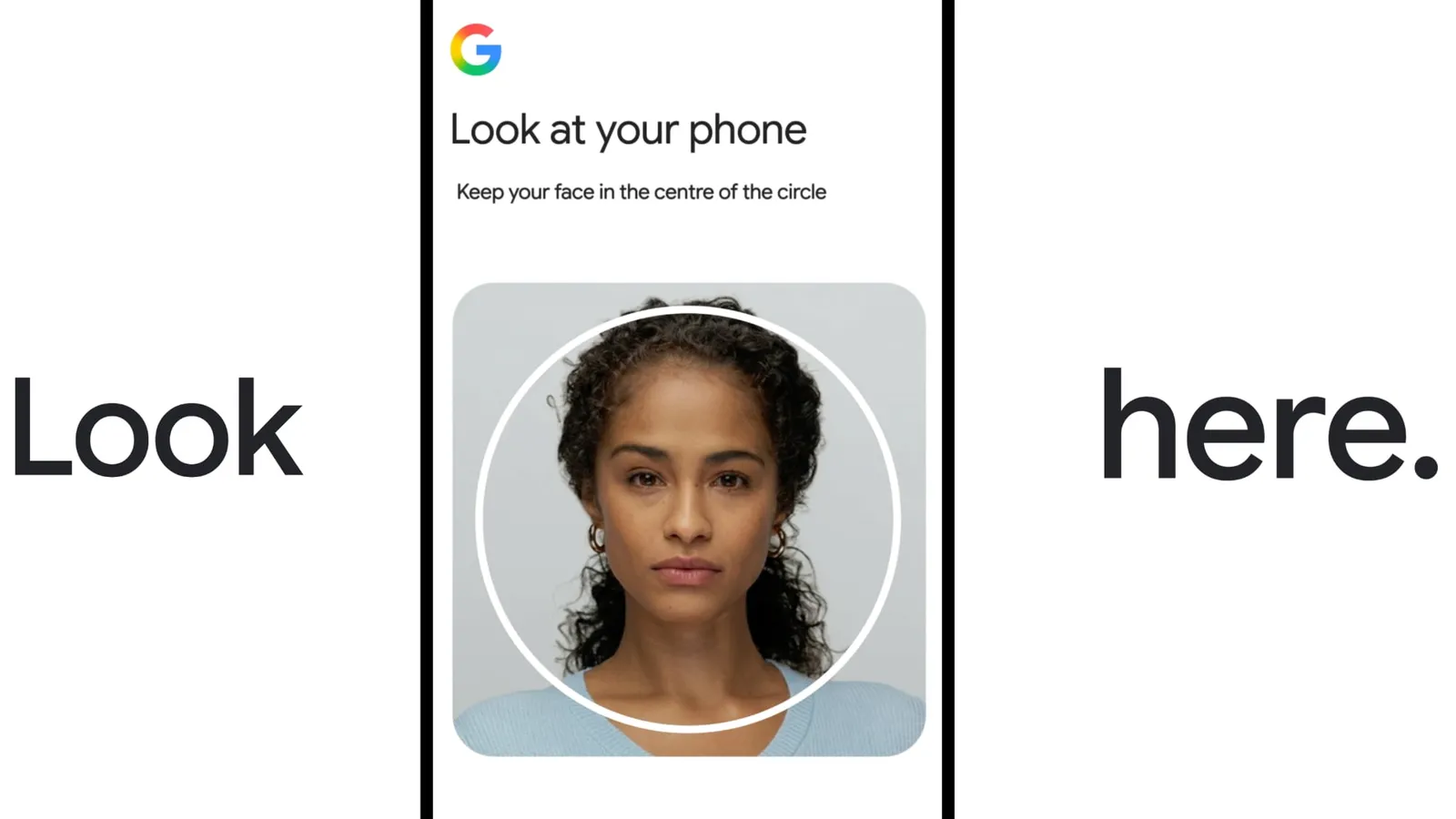
Google has introduced a new selfie sign-in option for Google Account recovery. The feature provides an alternative way for users to regain access to their accounts alongside passkeys, recovery contacts, and other methods.

Users create a selfie video by following head movement prompts. To set up the option, a user looks at their device's camera and completes a series of head movements to capture multiple angles as instructed by Google. The resulting video is saved to the account for later use during recovery.
The system incorporates multiple layers of security specifically designed to prevent impersonation attempts such as those using AI-generated photos and videos.

The process allows a user to take a new selfie video if they lack access to their email address or a trusted device. Google then compares the new video to the saved one to grant access.
From The CircuitryThe Feed — live briefs across tech, all day.See what’s happening →
Multiple security layers aim to block impersonation. Google recommends that users maintain several sign-in methods to avoid losing account access. The system incorporates multiple layers of security specifically designed to prevent impersonation attempts such as those using AI-generated photos and videos.
Selfie videos were previously tested in Brazil before today's wider introduction.
Selfie videos are encrypted and stored securely. They are used only for helping users sign in unless the account holder opts to share them for additional purposes, and videos can be deleted at any time.
The feature follows testing in Brazil and carries restrictions. Selfie videos were previously tested in Brazil before today's wider introduction. The option applies only to standard Google Accounts and does not work for Workspace accounts, children's accounts, or accounts enrolled in the Advanced Protection Program.
Why this mattersAI · ~100 words

Tap a lens to see what this story means for you.

Reader-supported
DonateBuy me a coffee →Follow@thecircuitry_ →Follow@thecircuitry.to →

Reader-supported · The Brief

Liked this? The Brief brings you the whole day in tech, verified, every morning. Two minutes, free forever.

HELP US IMPROVE
From The Circuitry

See what’s happening right now

The Feed runs all day — short, verified briefs the moment they break.

Open the Feed →
From The Circuitry

Follow @thecircuitry_

Every story we publish, as it happens. No noise between.

Follow on X ↗On Bluesky ↗

Reader-supported

The Circuitry is a passion project I've always wanted to build, and I love the work behind it.

Running it costs real money. APIs, hosting, time. To keep improving the site and growing this into something useful for everyone, those costs have to be covered.

Any contribution is appreciated. If not, no pressure. Thanks for reading.

Buy me a coffee
GoogleAccount SecurityAuthentication
More fromMacRumors
  • OpenAI Urges Federal Judge to Throw Out Apple's Trade Secrets Complaint

    Tech · 2d
  • Camera-Equipped AirPods Might Reach Market Earlier Than Planned

    Tech · 5d
  • All-New Apple Home Hub Reportedly Launching as Soon as October

    Tech · 11d
More inTech
  • Tesla and SpaceX confirm Terafab chip fab in Texas

    Tech · 2d
  • OpenAI Urges Federal Judge to Throw Out Apple's Trade Secrets Complaint

    Tech · 2d
  • Meta introduces Muse Code, its terminal-based coding agent

    Tech · 2d
SupportThe Work

The Circuitry is reader-supported. If you find the daily brief useful, you can buy me a coffee to keep it going.

Buy a coffee →
SubscribeCircuitry Brief

Liked this? The Brief brings you the whole day in tech, verified, every morning. Free forever.

MORE IN TECH

Tesla and SpaceX confirm Terafab chip fab in Texas

Tesla and SpaceX have confirmed Grimes County, Texas as the site for their Terafab semiconductor megafactory, with the first phase costing roughly $16.8 billion. The project targets the largest chip manufacturing facility on the planet to supply over 1 terawatt of compute per year that exceeds current and future global production capacity.

OpenAI Urges Federal Judge to Throw Out Apple's Trade Secrets Complaint

OpenAI has filed a motion asking a federal judge to dismiss Apple's trade secrets lawsuit, describing the claims as meritless. The dispute, which follows a July suit and this week's injunction request from Apple, highlights tensions after their prior partnership on Siri and OpenAI's hardware push.

Meta introduces Muse Code, its terminal-based coding agent

Meta has released an early beta of Muse Code, a terminal-based coding agent driven by the updated Muse Spark 1.2 model and positioned against Anthropic's Claude Code and OpenAI's Codex. Substantially lower rates, including a contributor plan at $0.10 for every million tokens received, may encourage migration away from higher-priced options such as Anthropic's Sonnet 5.