Honda and Nissan have formed a joint development agreement to standardize software and electronic control units for software-defined vehicles, with first models possible in fiscal 2029. The partnership seeks to lower development costs, accelerate innovation, and strengthen competitiveness after last year's failed merger discussions.
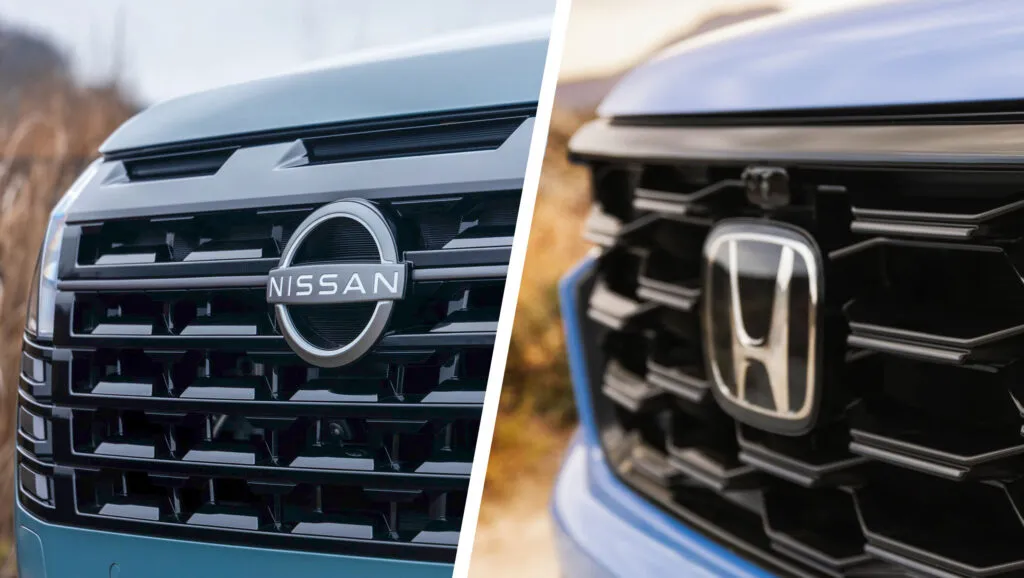
The pact comes after merger talks between the two companies collapsed last year.
Small customizations such as unique graphics could still set Honda and Nissan versions apart.
Tap a lens to see what this story means for you.
Liked this? The Brief brings you the whole day in tech, verified, every morning.
Two minutes, free forever. What's in The Brief →
See what’s happening right now
The Feed runs all day — short, verified briefs the moment they break.
Open the FeedFollow @thecircuitry_
Every story we publish, as it happens. No noise between.
Reader-supported
The Circuitry is a passion project I've always wanted to build, and I love the work behind it.
Running it costs real money. APIs, hosting, time. To keep improving the site and growing this into something useful for everyone, those costs have to be covered.
Any contribution is appreciated. If not, no pressure. Thanks for reading.
Four Apple-related stories broke on September 23 covering software betas, hardware rumors, automotive partnerships, and visitor-center changes. The updates reflect ongoing product refinements and strategic shifts at the company.
Volkswagen's supervisory board has unanimously approved the Future Plan 2030, which includes an additional 50,000 job cuts worldwide to reach a total of around 100,000 and leaves four German plants without secured future vehicle production after 2031-2034. The move aims to reduce costs and improve competitiveness against Chinese rivals, with alternative uses for the factories to be examined by June 2027.
BMW has completed a $1.7 billion investment in its South Carolina plants to begin producing fully electric vehicles in the US, with the iX5 SUV starting late 2026. The move underscores the carmaker's commitment to American manufacturing and positions South Carolina as a central hub for its global EV output.
Toyota is pushing back output of its initial three-row battery-electric SUV, the 2027 Highlander BEV, and will keep the existing gasoline and hybrid Highlander models on sale longer while three new electric SUVs gain U.S. traction.
Kia will stop building its K9 luxury sedan after 14 years to concentrate on smaller, more affordable electric vehicles. The model launched in 2012 as successor to the Opirus; sales have declined since 2022 and are projected to reach an all-time low in 2026.