The Circuitry
THE CIRCUITRYYour one-stop source for all tech news
HOMETODAYNEWSFEEDEVENTS
BOOKMARKS
RSS
© 2026 The Circuitry
About UsSourcesContactCorrectionsPrivacy
  • Today
  • Feed
  • Events
  • Saved
Scroll for more
Verification
VERIFIEDConfidence: HIGH
Source identified
Claims cross-referenced
No discrepancies found
Fact-check summary

TechCrunch, CNBC, Business Insider and other outlets corroborate the Katy, Texas Tesla Model 3 crash details, driver Michael Butler's statements, and Tesla AI head Ashok Elluswamy's account of full accelerator override to 73 mph.

Sourcing
1source

via Electrek

Electrek · track record
34Stories
100%Verified
330d
All sources →
Markets
TSLA···

Live quote · not investment advice

Home/Tech/Tesla acknowledges Full Self-Driving was active before fatal Texas home crash
VERIFIEDBy Xavier Rivera· ·1 min read

Tesla acknowledges Full Self-Driving was active before fatal Texas home crash

Tesla confirms its Full Self-Driving system was engaged when a Model 3 accelerated to 73 mph off a Katy, Texas, residential road and into a home, killing a 76-year-old woman. The company blames the driver for manually overriding at 100 percent accelerator pressure and questions its own liability.
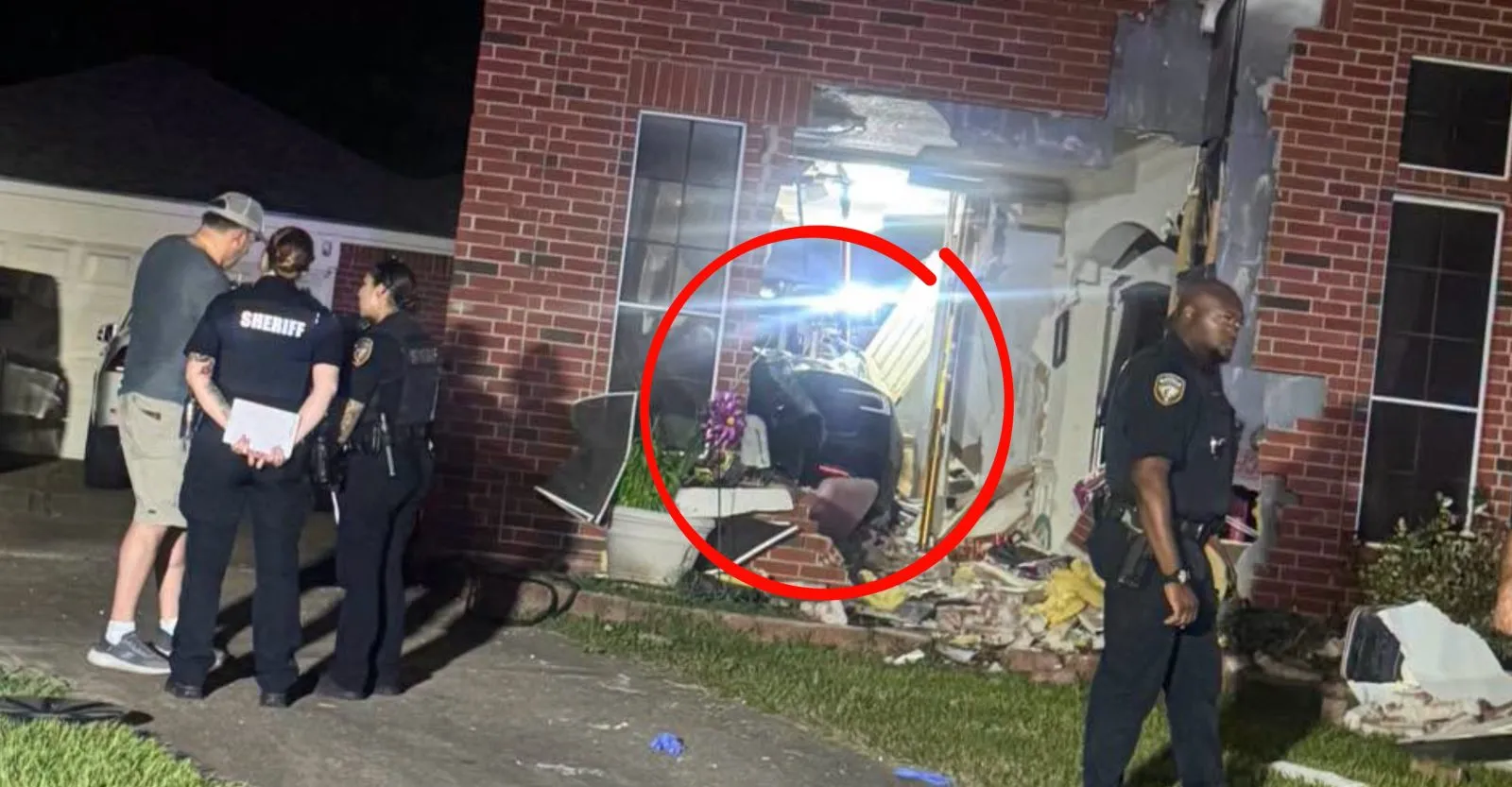
Source:Electrek
Post
Tesla acknowledges Full Self-Driving was active before fatal Texas home crash
TL;DRAI · 60 sec read

Tesla confirms Full Self-Driving operated in a fatal crash where a Model 3 struck a home in Katy, Texas and killed a 76-year-old woman inside. Logged data indicates the driver overrode by pressing the accelerator to full, reaching 73 mph. Tesla argues the override clears the company of responsibility.

Tesla has now confirmed that its Full Self-Driving system was operating when a Model 3 veered off a residential street in Katy, Texas, and struck a home, killing a 76-year-old woman inside.
The admission establishes that the automated system was engaged when the Model 3 left the roadway.
Tesla attributes the crash to driver override. The company’s head of AI, Ashok Elluswamy, reported that logged vehicle data indicates driver Michael Butler “manually overrode self-driving by pressing the accelerator all the way to 100% of the accel pedal in this residential area.” According to the automaker the sedan accelerated to 73 mph while the pedal stayed fully depressed, and that pressure continued even after the vehicle smashed through the brick wall.
POST FROM @elonmusk· Elon Musk's statement on the crash referenced directly in the article
https://x.com/elonmusk/status/2069161438812278946
Crash occurred under Full Self-Driving conditions. The admission establishes that the automated system was engaged when the Model 3 left the roadway. Tesla now maintains that all available evidence suggests a pedal misapplication while the car was under “Full Self-Driving.”
From The CircuitryThe Feed — live briefs across tech, all day.See what’s happening →
Company questions its own liability. Executives argue the manual override clears the company of responsibility. Tesla has not disclosed any preceding system alerts, driver monitoring activity or other details from the moments before the acceleration began.
Tesla has not disclosed any preceding system alerts, driver monitoring activity or other details from the moments before the acceleration began.
The fatal collision occurred in a residential neighborhood; federal regulators have yet to comment publicly on the case.
Why this mattersAI · ~100 words

Tap a lens to see what this story means for you.

Reader-supported
DonateBuy me a coffee →Follow@thecircuitry_ →Follow@thecircuitry.to →

Reader-supported · The Brief

Liked this? The Brief brings you the whole day in tech, verified, every morning. Two minutes, free forever.

HELP US IMPROVE
From The Circuitry

See what’s happening right now

The Feed runs all day — short, verified briefs the moment they break.

Open the Feed →
From The Circuitry

Follow @thecircuitry_

Every story we publish, as it happens. No noise between.

Follow on X ↗On Bluesky ↗

Reader-supported

The Circuitry is a passion project I've always wanted to build, and I love the work behind it.

Running it costs real money. APIs, hosting, time. To keep improving the site and growing this into something useful for everyone, those costs have to be covered.

Any contribution is appreciated. If not, no pressure. Thanks for reading.

Buy me a coffee
TeslaFull Self-DrivingAutonomous VehiclesCrash
More fromElectrek
  • Tesla and SpaceX confirm Terafab chip fab in Texas

    Tech · 1d
  • Base Power unveils 39.2-kWh Core battery after landing $1B in fresh capital

    Energy · 4d
  • Toyota postpones 2027 Highlander BEV output

    Tech · 29d
More inTech
  • Tesla and SpaceX confirm Terafab chip fab in Texas

    Tech · 1d
  • OpenAI Urges Federal Judge to Throw Out Apple's Trade Secrets Complaint

    Tech · 2d
  • Meta introduces Muse Code, its terminal-based coding agent

    Tech · 2d
SupportThe Work

The Circuitry is reader-supported. If you find the daily brief useful, you can buy me a coffee to keep it going.

Buy a coffee →
SubscribeCircuitry Brief

Liked this? The Brief brings you the whole day in tech, verified, every morning. Free forever.

MORE IN TECH

Tesla and SpaceX confirm Terafab chip fab in Texas

Tesla and SpaceX have confirmed Grimes County, Texas as the site for their Terafab semiconductor megafactory, with the first phase costing roughly $16.8 billion. The project targets the largest chip manufacturing facility on the planet to supply over 1 terawatt of compute per year that exceeds current and future global production capacity.

OpenAI Urges Federal Judge to Throw Out Apple's Trade Secrets Complaint

OpenAI has filed a motion asking a federal judge to dismiss Apple's trade secrets lawsuit, describing the claims as meritless. The dispute, which follows a July suit and this week's injunction request from Apple, highlights tensions after their prior partnership on Siri and OpenAI's hardware push.

Meta introduces Muse Code, its terminal-based coding agent

Meta has released an early beta of Muse Code, a terminal-based coding agent driven by the updated Muse Spark 1.2 model and positioned against Anthropic's Claude Code and OpenAI's Codex. Substantially lower rates, including a contributor plan at $0.10 for every million tokens received, may encourage migration away from higher-priced options such as Anthropic's Sonnet 5.