The Circuitry
THE CIRCUITRYYour one-stop source for all tech news
HOMETODAYNEWSFEEDEVENTS
BOOKMARKS
RSS
© 2026 The Circuitry
About UsSourcesContactCorrectionsPrivacy
  • Today
  • Feed
  • Events
  • Saved
Scroll for more
Verification
VERIFIEDConfidence: HIGH
Source identified
Claims cross-referenced
No discrepancies found
Fact-check summary

Nikkei Asia, Electrek, Automotive News and others confirm Toyota discontinued Lexus LF-ZC development and will partially compensate suppliers for losses.

Sourcing
1source

via Electrek

Electrek · track record
34Stories
100%Verified
330d
All sources →
Home/Tech/Toyota agrees to cover some supplier costs tied to Lexus LF-ZC EV cancellation
VERIFIEDBy Xavier Rivera· ·1 min read

Toyota agrees to cover some supplier costs tied to Lexus LF-ZC EV cancellation

Toyota will cover part of the financial burden that its suppliers face after halting the Lexus LF-ZC EV project, which had been slated to debut new battery cells, Gigacasting production methods, and multiple efficiency breakthroughs. The decision created an unprecedented impact on partners and eliminates a central model from the automaker's future EV plans.
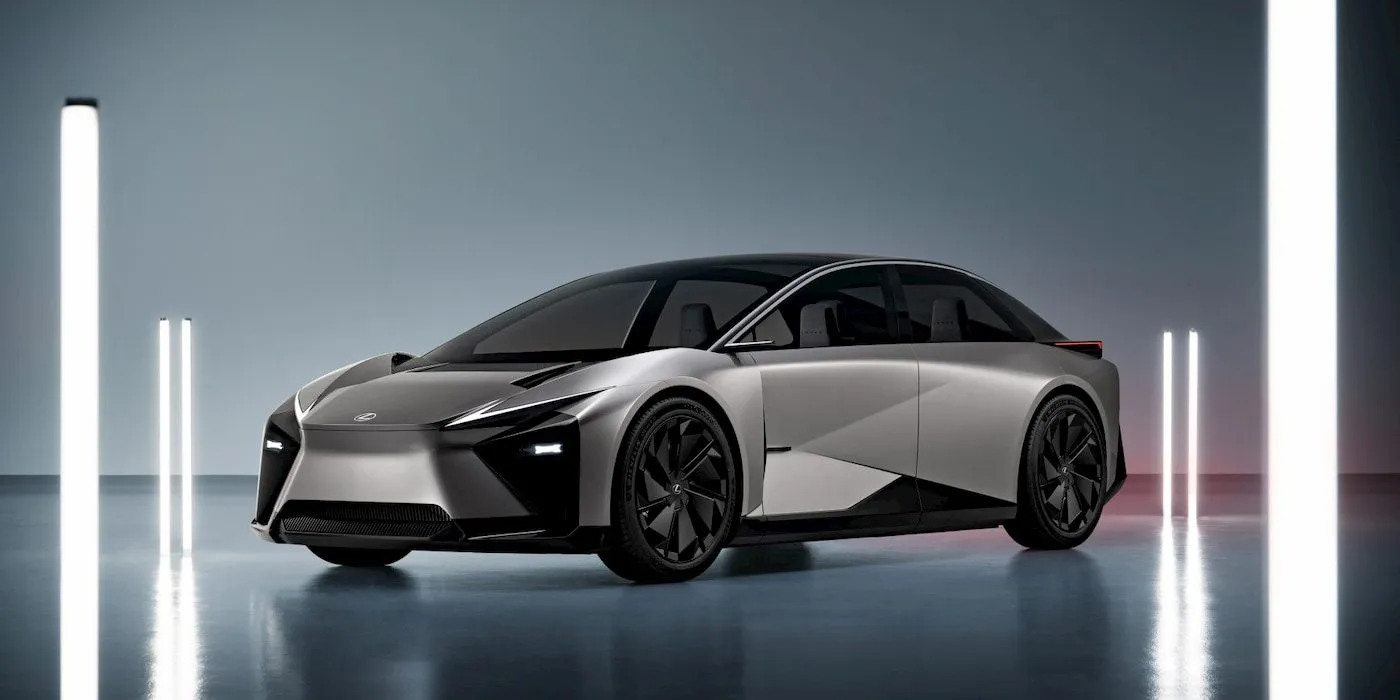
Source:Electrek
Post
Toyota agrees to cover some supplier costs tied to Lexus LF-ZC EV cancellation
TL;DRAI · 60 sec read

Toyota will cover some supplier costs after canceling the Lexus LF-ZC EV project. The company discontinued development of the flagship model intended to showcase new battery technology and advanced production methods like Gigacasting. The move shocks the supply chain and drops a key vehicle from Toyota's upcoming EV lineup.

Toyota will cover part of the financial burden that its suppliers face after the company halted its flagship electric vehicle project.

Toyota has discontinued development of the Lexus LF-ZC. Executive vice president Hiroki Nakajima confirmed the plans last week, telling Japanese news outlets that "We have discontinued development of the Lexus LF-ZC."
The abrupt termination has delivered what multiple outlets describe as an unprecedented shock to the supply chain.

The Lexus LF-ZC was positioned as a showcase for Toyota's latest EV technology. The model had been slated to debut the automaker's newest battery cells along with advanced production methods such as Gigacasting and several additional pioneering EV features.
From The CircuitryThe Feed — live briefs across tech, all day.See what’s happening →
Toyota had promised the LF-ZC would drastically cut costs while improving efficiency.
Suppliers will receive partial compensation for costs tied to the cancellation.
Suppliers will receive partial compensation for costs tied to the cancellation. According to a new report from Nikkei, Toyota will compensate suppliers for some of the costs of canceling its flagship Lexus EV. The project cancellation is said to have caused an unprecedented impact.

The move follows heavy supplier outlays made in anticipation of the vehicle's launch. Nakajima's disclosure ended months of uncertainty surrounding the program's viability. Toyota has not disclosed specific compensation figures or a payment schedule.
The cancellation removes a key vehicle from Toyota's upcoming EV lineup. The LF-ZC had been intended to bundle several novel technologies into one premium platform.
Why this mattersAI · ~100 words

Tap a lens to see what this story means for you.

Reader-supported
DonateBuy me a coffee →Follow@thecircuitry_ →Follow@thecircuitry.to →

Reader-supported · The Brief

Liked this? The Brief brings you the whole day in tech, verified, every morning. Two minutes, free forever.

HELP US IMPROVE
From The Circuitry

See what’s happening right now

The Feed runs all day — short, verified briefs the moment they break.

Open the Feed →
From The Circuitry

Follow @thecircuitry_

Every story we publish, as it happens. No noise between.

Follow on X ↗On Bluesky ↗

Reader-supported

The Circuitry is a passion project I've always wanted to build, and I love the work behind it.

Running it costs real money. APIs, hosting, time. To keep improving the site and growing this into something useful for everyone, those costs have to be covered.

Any contribution is appreciated. If not, no pressure. Thanks for reading.

Buy me a coffee
ToyotaEVLexus
More fromElectrek
  • Tesla and SpaceX confirm Terafab chip fab in Texas

    Tech · 1d
  • Base Power unveils 39.2-kWh Core battery after landing $1B in fresh capital

    Energy · 4d
  • Toyota postpones 2027 Highlander BEV output

    Tech · 29d
More inTech
  • Tesla and SpaceX confirm Terafab chip fab in Texas

    Tech · 1d
  • OpenAI Urges Federal Judge to Throw Out Apple's Trade Secrets Complaint

    Tech · 2d
  • Meta introduces Muse Code, its terminal-based coding agent

    Tech · 2d
SupportThe Work

The Circuitry is reader-supported. If you find the daily brief useful, you can buy me a coffee to keep it going.

Buy a coffee →
SubscribeCircuitry Brief

Liked this? The Brief brings you the whole day in tech, verified, every morning. Free forever.

MORE IN TECH

Tesla and SpaceX confirm Terafab chip fab in Texas

Tesla and SpaceX have confirmed Grimes County, Texas as the site for their Terafab semiconductor megafactory, with the first phase costing roughly $16.8 billion. The project targets the largest chip manufacturing facility on the planet to supply over 1 terawatt of compute per year that exceeds current and future global production capacity.

OpenAI Urges Federal Judge to Throw Out Apple's Trade Secrets Complaint

OpenAI has filed a motion asking a federal judge to dismiss Apple's trade secrets lawsuit, describing the claims as meritless. The dispute, which follows a July suit and this week's injunction request from Apple, highlights tensions after their prior partnership on Siri and OpenAI's hardware push.

Meta introduces Muse Code, its terminal-based coding agent

Meta has released an early beta of Muse Code, a terminal-based coding agent driven by the updated Muse Spark 1.2 model and positioned against Anthropic's Claude Code and OpenAI's Codex. Substantially lower rates, including a contributor plan at $0.10 for every million tokens received, may encourage migration away from higher-priced options such as Anthropic's Sonnet 5.