Senators Markey and Blumenthal have demanded that NHTSA examine Tesla's FSD safety claims after a Reuters report exposed flawed crash comparisons. The scrutiny extends to Europe, where regulators are now reviewing similarly optimistic projections before granting broader approval.
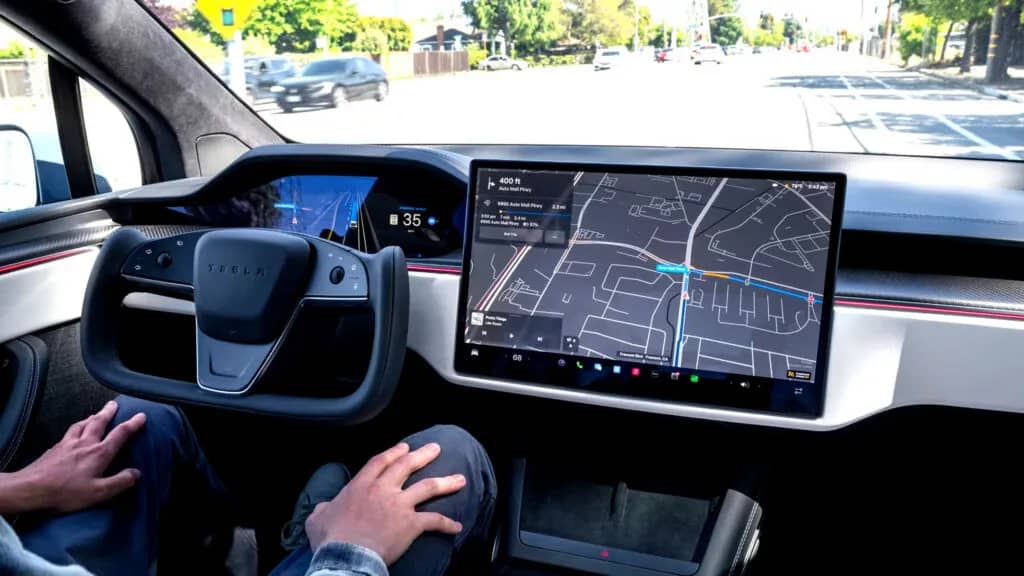
Executives including Elon Musk have maintained that FSD is up to 10 times safer than a human driver.
Tesla policy manager Ivan Komusanac subsequently emailed Swedish authorities stating the system could save 32,000 lives and prevent 1.9 million injuries.
Tap a lens to see what this story means for you.
Liked this? The Brief brings you the whole day in tech, verified, every morning.
Two minutes, free forever. What's in The Brief →
See what’s happening right now
The Feed runs all day — short, verified briefs the moment they break.
Open the FeedFollow @thecircuitry_
Every story we publish, as it happens. No noise between.
Reader-supported
The Circuitry is a passion project I've always wanted to build, and I love the work behind it.
Running it costs real money. APIs, hosting, time. To keep improving the site and growing this into something useful for everyone, those costs have to be covered.
Any contribution is appreciated. If not, no pressure. Thanks for reading.
Tesla began public rides in its steering-wheel-free Cybercab in Austin this evening while NHTSA opened an Audit Query into the company’s determination that the vehicle meets existing federal safety standards. The review targets Tesla’s self-certification at a moment when the agency is revising eight rules for driverless cars and other robotaxi developers have secured exemptions.
Six tech executives signed President Trump’s Joint Commitment On Frontier Responsibilities, a voluntary AI safety pact with four internal oversight rules. The agreement contains no penalties and notes that the steps could later become law.
Tesla marked the start of high-volume Semi production at its new Sparks, Nevada factory on September 24. The plant, which Tesla says covers 1.8 million square feet, is built to scale to 50,000 trucks annually.
Tesla reportedly conducted intensive supplier audits across China's Yangtze River Delta last week as it prepares Optimus production. The visits to potential suppliers Tuopu Group, Sanhua Holding Group, and Joyson Electronics in Ningbo, Hangzhou, and Shanghai leverage existing automotive partners rather than confirming a mass-production acceleration.
Tesla postponed its next-gen Roadster reveal from October 1 to October 15, citing severe weather for an outdoor-only event. The company said additional details will follow and did not announce a new start time.